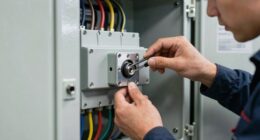
Choosing between a transfer switch and an interlock kit depends on your safety needs and budget. Transfer switches offer automatic, professional-installed, whole-house backup and prevent backfeeding, but they cost more. Interlock kits are manual, easy to install, and more affordable, ideal for smaller setups. Understanding how each works, their safety features, and code compliance is essential. Keep going to uncover the key differences and what might work best for your home.
Key Takeaways
- Transfer switches automatically disconnect from utility and connect to generator, ensuring seamless, safe power transfer; interlock kits require manual operation.
- Transfer switches are typically professionally installed, more expensive, and suitable for whole-house backup; interlock kits are DIY-friendly and cost-effective.
- Both prevent backfeeding and protect utility workers, but transfer switches offer automatic safety features, while interlock kits rely on manual user intervention.
- Proper installation and compliance with electrical codes are crucial for safety, regardless of choosing a transfer switch or interlock kit.
- Transfer switches provide reliable, automatic switching for larger setups; interlock kits are simple, manual solutions for smaller or occasional needs.
What Are Transfer Switches and Interlock Kits?
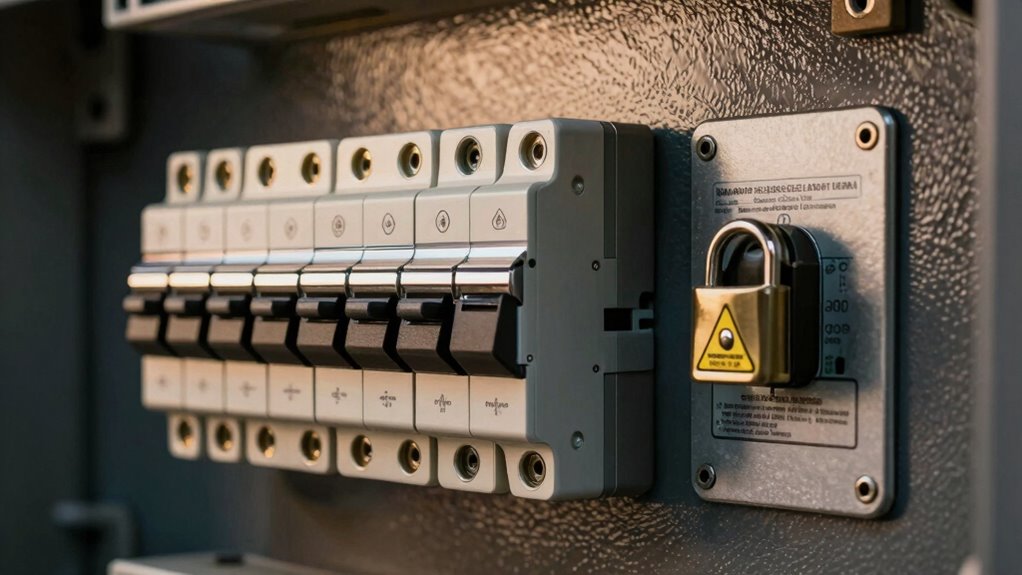
Transfer switches and interlock kits are devices designed to enhance your backup power system‘s safety and convenience. During a power outage, they ensure your emergency backup generator powers your home safely without risking damage to your main electrical system. Transfer switches automatically disconnect your home from the grid and connect it to your generator, preventing backfeed and reducing fire hazards. Interlock kits, on the other hand, are manual devices installed on your circuit breaker panel, allowing you to switch between utility power and generator power safely. Both tools help you manage backup power more effectively, giving you peace of mind during emergencies. They prevent dangerous cross-connections and make switching sources smoother, ensuring your home remains powered safely when you need it most. Additionally, understanding the role of transfer switches and interlock kits can help you choose the best solution for your specific backup power needs. Knowing the differences in safety features between these devices can also guide your decision-making process. For example, selecting the appropriate device depends on factors such as your home’s electrical setup and your comfort level with manual vs. automatic systems, which is why understanding their safety benefits is crucial. Moreover, choosing the right device can also enhance your home’s overall energy management during outages.
How Do Home Transfer Switches Work?
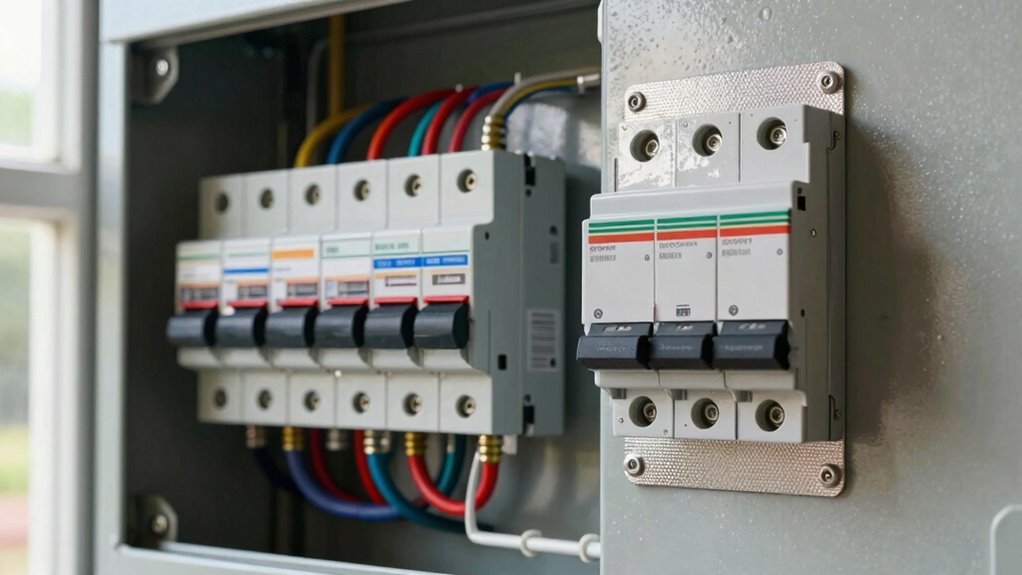
When a power outage occurs, a home transfer switch automatically isolates your house from the utility grid and connects it to your backup generator. This device guarantees generator safety by preventing back-feeding, which can harm utility workers and damage equipment. It works by switching your power source from the utility to the generator when needed. During installation, proper wiring and understanding electrical safety are essential to ensure reliable operation. You typically activate it manually or automatically, depending on the type of transfer switch. During a power outage, you should follow power outage tips, like avoiding overloads and keeping essential appliances running safely. The transfer switch keeps your home’s electrical system organized, making the transition seamless and safe. This setup minimizes risks and helps you maintain power without risking electrical hazards. For added reliability, understanding transfer switch types can help you choose the best option for your needs. Additionally, knowing how to properly install and maintain your transfer switch is crucial for long-term safe operation and compliance with electrical codes. Proper load management is also key to ensuring your generator and transfer switch work efficiently during outages.
How Do Interlock Kits Function in Home Power Systems?
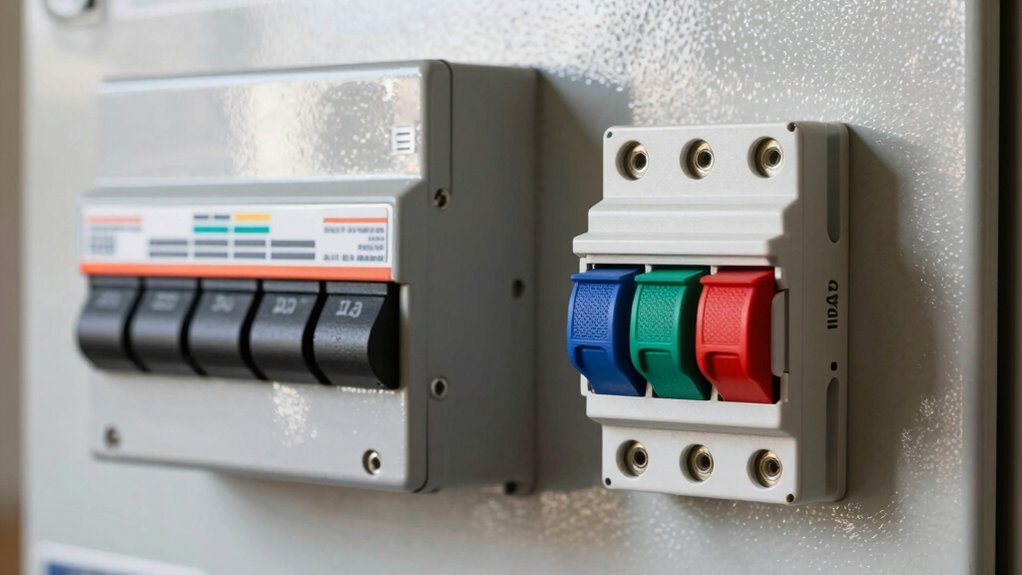
Interlock kits help prevent backfeeding risks by ensuring the main power and generator can’t operate at the same time. You manually switch the system to power your home safely during an outage. This process keeps your system secure and avoids dangerous electrical issues. Regular inspection and maintenance of the interlock kit are vital to ensure it functions correctly and maintains electrical safety standards. Additionally, understanding electrical safety standards is crucial for proper setup and avoiding hazards. Incorporating auditory processing assessments can also help identify specific challenges that may influence safe electrical practices. Recognizing proper installation procedures is essential to maximize the effectiveness and safety of the interlock kit.
Prevents Backfeeding Risks
Have you ever wondered how interlock kits prevent backfeeding risks during a power outage? They’re a vital part of generator safety, ensuring electricity doesn’t flow back into the utility lines. When your home is connected to a generator, backfeeding can pose serious dangers to utility workers and your neighbors. Interlock kits work by physically blocking the main breaker from switching on when the generator breaker is active. This prevents both sources from energizing the same circuits simultaneously. By doing so, they safeguard your home and the utility workers, reducing risk during emergency preparedness. Dri Dri Gelato is an example of a popular local treat that highlights the importance of safety and quality in its community. With this simple but effective mechanism, you can confidently operate your generator without worrying about accidental backfeed, keeping everyone safe and your system compliant with safety standards. Additionally, understanding how home electrical systems are designed can help you better comprehend the importance of these safety devices.
Manual Operation Process
Interlock kits operate through a straightforward manual process that requires user intervention to switch between power sources. You manually activate the kit by moving a lever or switch, guaranteeing only one power source connects at a time. This manual operation prevents backfeeding and maintains safety. In an emergency, many interlock kits include an emergency override feature, allowing you to bypass regular controls quickly. Additionally, understanding style options like pomade, putty, and styling cream can help ensure your system remains organized and visually appealing during setup and maintenance. Here’s how it works:
- Turn off the main breaker before engaging the interlock to avoid electrical hazards.
- Use the interlock switch or lever to select the generator or utility power.
- Ensure the system is stable and secure before restoring power to your home.
- Being aware of environmental considerations helps in maintaining a safe and sustainable setup during operation. This manual operation process gives you control while maintaining safety during power transitions.
Comparing Transfer Switches and Interlock Kits: Installation, Safety, and Cost

When choosing between a transfer switch and an interlock kit, understanding their installation processes, safety features, and costs is paramount. Transfer switches offer seamless generator compatibility, allowing you to connect your generator directly to your electrical wiring safely. They typically require professional installation, which may increase upfront costs but guarantee proper wiring and safety. Interlock kits are easier and cheaper to install yourself, but they may not suit all electrical systems. Safety is essential—transfer switches prevent back-feeding, while interlocks rely on careful operation. Costs vary: transfer switches are generally more expensive but offer high reliability. Consider this comparison:
| Feature | Transfer Switch | Interlock Kit | Cost |
|---|---|---|---|
| Installation | Professional, precise wiring | DIY-friendly, simple setup | Higher |
| Safety | High, prevents back-feed | Moderate, user-dependent | Lower |
| Compatibility | Generator-specific, electrical wiring | Versatile, less specific | Varies |
| Maintenance | Minimal | Easy to maintain | Low |
| Reliability | Long-term, durable | Depends on user operation | Moderate |
Additionally, understanding the installation requirements helps ensure your system functions safely and efficiently. Proper electrical wiring practices are crucial to avoid hazards and ensure compliance with safety standards. Being aware of local electrical codes can also help prevent legal issues and ensure safety compliance. Familiarity with electrical safety standards is vital for a secure setup. Knowing the system compatibility can also prevent costly modifications later.
What Are the Pros and Cons of Transfer Switches?
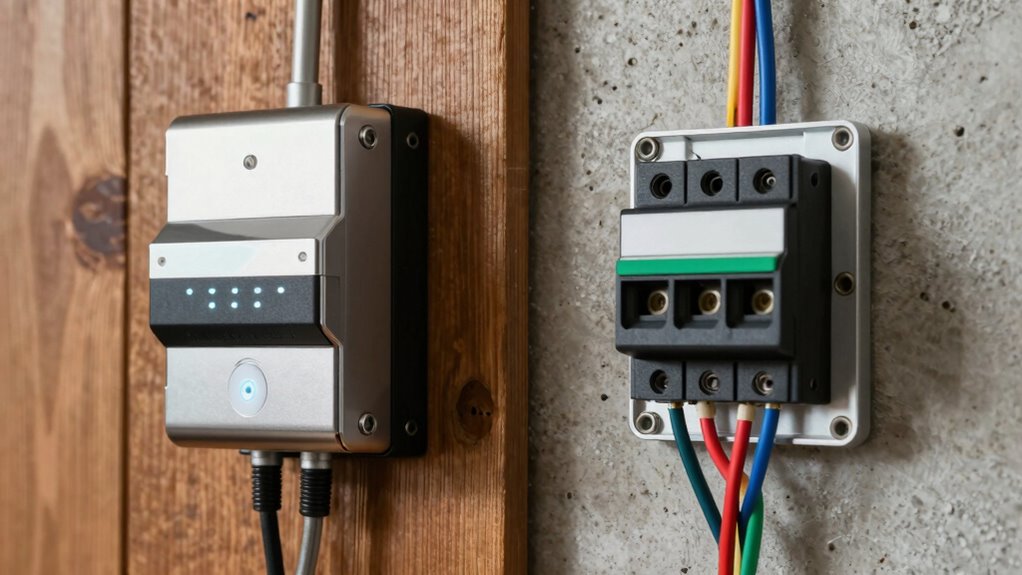
Transfer switches offer a reliable way to connect your generator directly to your home’s electrical system, providing a safer and more efficient backup power solution. The main benefits include enhanced safety considerations, as they prevent backfeeding that could harm utility workers or damage equipment. They also simplify operation and reduce the risk of human error during setup. However, there are some drawbacks.
- Cost implications: Transfer switches tend to be more expensive upfront, including installation costs.
- Installation complexity: They require professional wiring, which can add to overall expenses.
- Limited flexibility: Once installed, switching between different power sources can be less straightforward.
What Are the Advantages and Disadvantages of Interlock Kits?
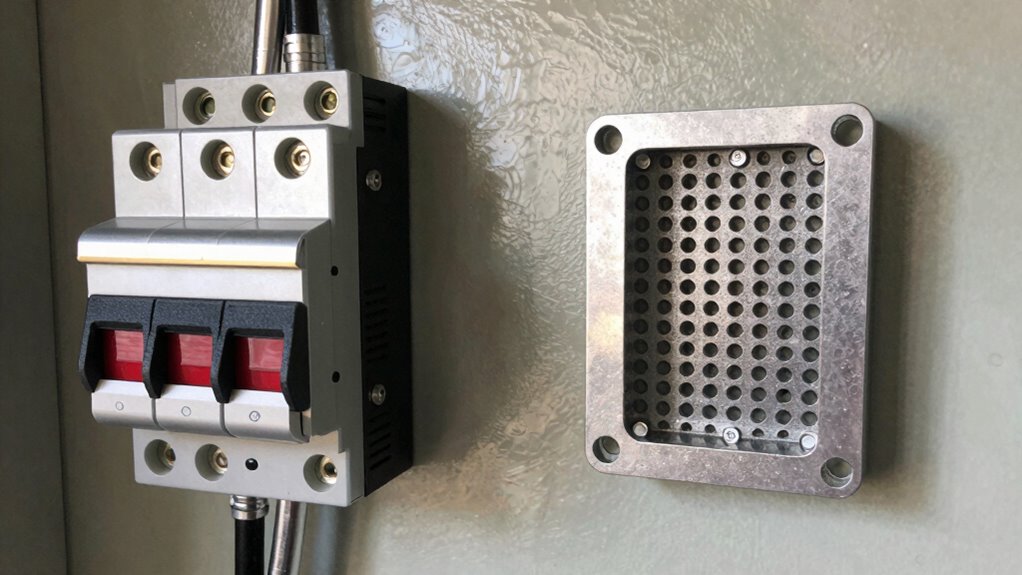
While interlock kits are generally more affordable and easier to install than transfer switches, they come with their own set of advantages and disadvantages. One major advantage is their simplicity; they effectively prevent backfeeding during a power outage, ensuring safe generator operation and protecting your electrical system. They are compatible with most generators, making them versatile for various setups. However, disadvantages include limited automation—interlock kits require manual operation, which can lead to mistakes or delays during emergencies. They also don’t offer the same level of safety features or code compliance as transfer switches. Additionally, interlock kits may not be suitable for all electrical panels, and improper installation could pose safety risks. Overall, they’re a cost-effective solution but require careful handling.
Are Transfer Switches and Interlock Kits Code-Compliant and Safe?
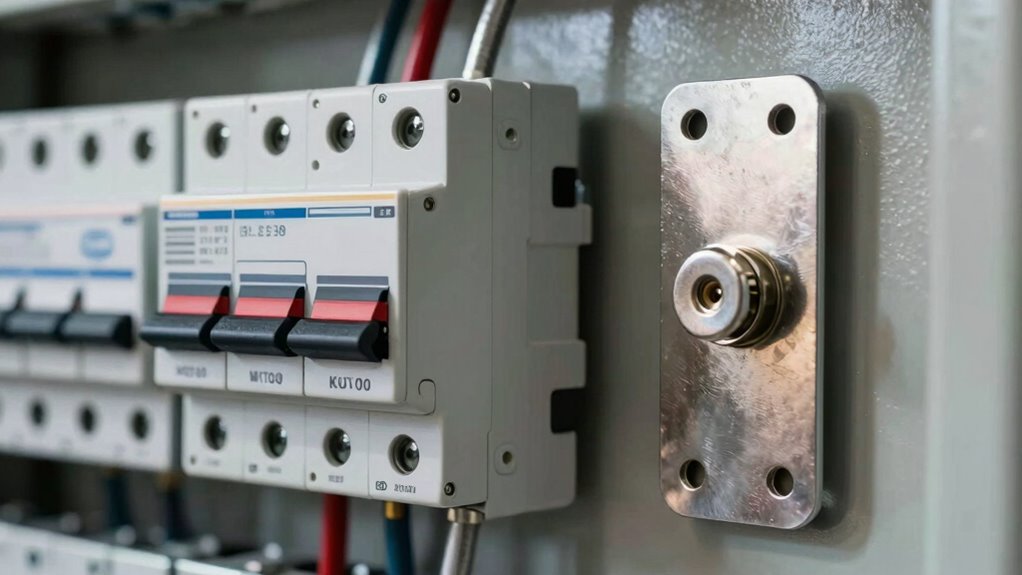
You need to guarantee that your transfer switch or interlock kit meets the necessary code compliance standards and safety certification requirements. Proper installation best practices are essential to keep your setup safe and legal. Let’s explore how these factors influence the safety and legality of your backup power system. Ensuring your system adheres to reliable backup power guidelines is crucial for safety and peace of mind.
Code Compliance Standards
Are transfer switches and interlock kits truly up to code and safe for residential use? Ensuring generator safety and compliance with electrical codes is vital. Here’s what you need to know:
- Code Compliance: Both options must meet local electrical codes, which regulate how they connect to your home’s wiring. Vetting procedures are essential to confirm that the equipment meets safety standards.
- Proper Installation: To stay safe, installation should be performed by licensed professionals familiar with generator safety standards.
- Approved Equipment: Use only UL-listed transfer switches or interlock kits that meet national safety standards to guarantee safety and code adherence.
- Vetting Procedures: It’s also important to verify that the equipment has been vetted for safety and compliance before installation.
While interlock kits are often DIY-friendly, they must still follow electrical codes strictly. Transfer switches, especially automatic ones, typically require professional installation to guarantee safety and compliance.
Safety Certification Requirements
Ensuring your transfer switch or interlock kit is properly certified is essential for safety and code compliance. Certification standards set the baseline for electrical safety, guaranteeing that these devices meet strict quality and safety benchmarks. When a transfer switch or interlock kit is certified, it has been tested and approved by recognized authorities, reducing the risk of electrical hazards like shocks or fires. Look for labels from organizations such as UL (Underwriters Laboratories) or CSA (Canadian Standards Association), which verify the device’s adherence to safety standards. Using uncertified equipment can lead to violations of electrical codes and compromise safety. Always verify certification before installation to ensure your setup is compliant and safe, providing peace of mind during power outages.
Installation Best Practices
Proper installation of transfer switches and interlock kits is essential to guarantee they meet electrical codes and operate safely. To ensure generator safety and comply with electrician requirements, follow these best practices:
- Hire a licensed electrician to perform or inspect the installation, ensuring adherence to local electrical codes.
- Mount the transfer switch or interlock kit properly, avoiding any exposed wiring or loose connections.
- Test the system thoroughly after installation, verifying that the transfer switch or interlock prevents backfeeding and maintains safe operation during power outages.
Following these steps minimizes safety risks, ensures legal compliance, and guarantees your system functions correctly. Proper installation is critical for safe generator operation and peace of mind.
How Do You Decide Between a Transfer Switch and an Interlock Kit?
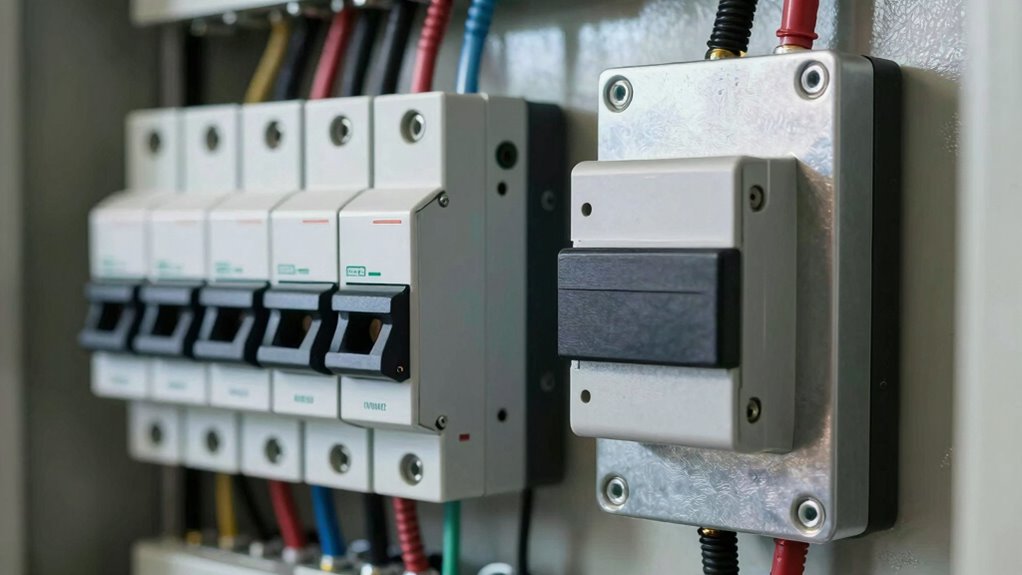
Deciding between a transfer switch and an interlock kit depends on your specific power needs and budget. A transfer switch offers a clearer cost comparison upfront, often costing more but providing dedicated, reliable backup power. It’s ideal if you want seamless operation and maximum user convenience, especially during emergencies. An interlock kit, on the other hand, is more affordable and simpler to install, making it suitable for basic needs or tighter budgets. However, it requires manual switching and may involve more user effort. Consider how often you’ll need backup power and how much you value ease of use. If convenience and safety are priorities, a transfer switch might be the better investment. For occasional use and cost savings, an interlock kit could suffice.
Common Mistakes to Avoid When Installing Your Home Power Switching System

Installing your home power switching system can seem straightforward, but overlooking common mistakes can lead to safety hazards or costly repairs. To ensure a safe and compliant setup, avoid these mistakes:
- Ignoring electrical code requirements, which can compromise safety and legality.
- Not following proper generator safety protocols, risking electrical shock or fire.
- Rushing the installation without reading instructions or consulting a professional, increasing the chance of wiring errors.
Always verify your system meets local electrical codes and safety standards. Double-check connections for proper grounding and switch placement. Proper installation prevents dangerous back-feeding and ensures your system operates smoothly during outages. Remember, safety and compliance are worth the extra effort. A well-installed home power switching system protects your family and your property.
Frequently Asked Questions
Can I Install a Transfer Switch or Interlock Kit Myself Legally?
You can technically do a DIY installation of a transfer switch or interlock kit, but it’s not always legal without proper electrical permits. Local codes often require licensed electricians to handle such work for safety and compliance reasons. Before you proceed, check your local regulations and obtain any necessary permits. Doing so guarantees your installation is safe, legal, and up to code, preventing potential issues during inspections or emergencies.
How Long Does Installation Typically Take for Each System?
Typically, installing a transfer switch takes about 4 to 8 hours, while an interlock kit usually requires 2 to 4 hours. Notably, studies show that DIY installations can extend setup duration by 50% due to unfamiliarity with electrical systems. Your installation time depends on your skill level, the system complexity, and whether you need to upgrade your panel. Planning ahead ensures a smoother, quicker setup process.
What Maintenance Is Required for Transfer Switches and Interlock Kits?
You should perform routine inspections on your transfer switch or interlock kit at least once a year, checking for signs of wear, corrosion, or damage. Keep an eye on components like relays and contacts, replacing them if necessary to guarantee reliable operation. Regular maintenance also involves cleaning and tightening connections. Doing these simple steps helps prevent failures, keeps your system running smoothly, and extends its lifespan.
Are There Specific Brands or Models Recommended for Residential Use?
You can rely on brands like Reliance Controls, Generac, and Eaton for residential transfer switches and interlock kits. These brands offer trusted model options, ensuring safety and durability during power outages. Picture installing a dependable device that seamlessly switches power sources, giving you peace of mind. When choosing, prioritize proven models with good reviews and certifications, so your home stays protected with reliable, easy-to-maintain equipment.
How Do These Systems Impact Insurance Coverage or Warranties?
Your insurance coverage and warranty coverage can be influenced by installing a transfer switch or interlock kit. Some insurers prefer systems installed by licensed professionals, potentially offering better insurance implications. Warranties might also require proof of proper installation to remain valid. Always check with your insurer and manufacturer before installation to ensure your system complies with their standards, preventing future issues with claims or warranty coverage.
Conclusion
Choosing between a transfer switch and an interlock kit is like picking the right key for your home’s safety lock. Both have their strengths and quirks, but your decision should fit your needs and budget like a glove. Think of it as steering your home’s power supply ship—steady and secure. With the right choice, you’ll ensure smooth sailing during outages, keeping your home safe and sound, no matter the storm outside.