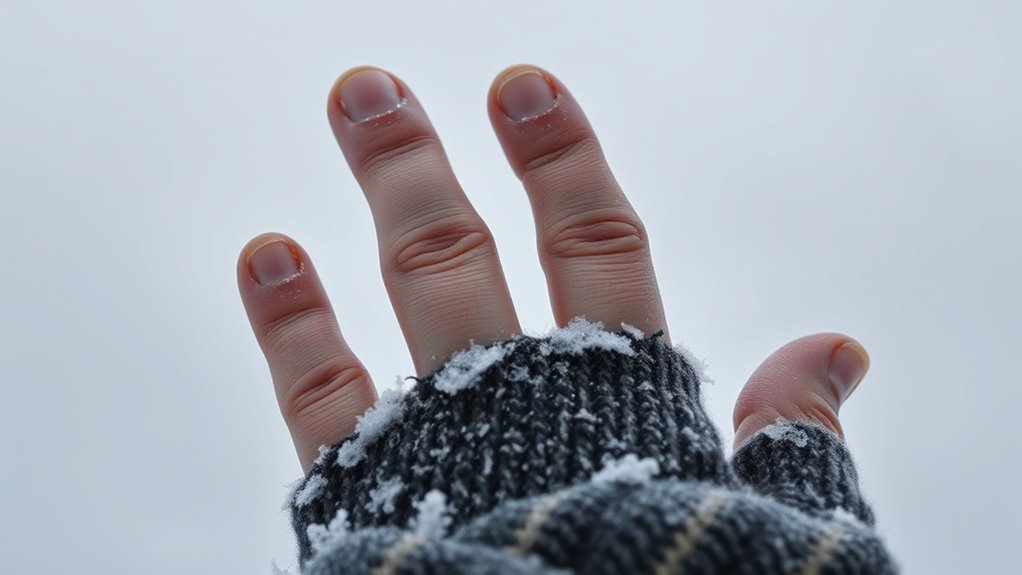

If you suspect hypothermia or frostbite, act quickly to protect yourself and others. Move the person to a warm, dry space, remove wet clothing, and insulate them with blankets or dry layers. For hypothermia, offer warm drinks and keep them still, monitoring their condition. For frostbite, do not rub their skin—instead, gently rewarm affected areas with warm water or body heat. Recognizing signs early and responding appropriately can make all the difference; learn more to stay prepared.

Get garden gear delivered free — and shop member deals
- Fast, free delivery on millions of items
- Access to Prime Big Deal Days deals on October 6–7
- Prime Video, Amazon Music and more included
Key Takeaways
- Recognize symptoms like shivering, confusion, numbness, and pale, waxy skin for early detection of hypothermia and frostbite.
- Move affected individuals to a warm environment and remove wet clothing immediately.
- Rewarm frostbitten areas with warm (not hot) water or body heat, avoiding rubbing or massaging.
- Cover and insulate the person with blankets, including the head, to retain body heat.
- Seek emergency medical help promptly for severe cases and monitor breathing and responsiveness.
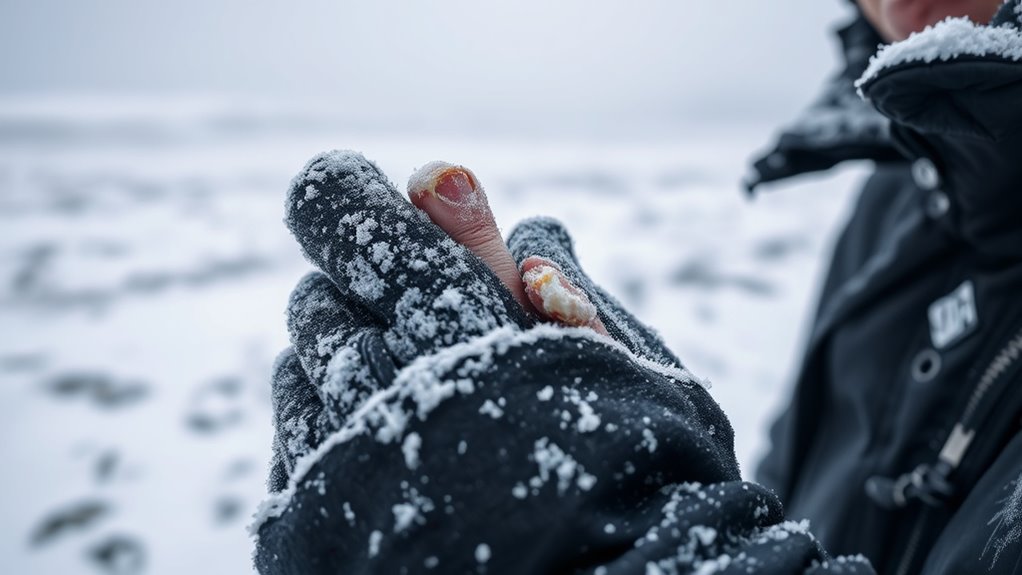
Have you ever wondered how to recognize and respond to hypothermia and frostbite? These conditions can sneak up on you during cold weather if you’re not prepared. The first step is to understand how to identify the signs quickly and how to react appropriately. When you’re outdoors in cold environments, wearing proper cold weather gear is essential. Layers made of moisture-wicking, insulating, and waterproof materials help retain body heat and prevent frostbite. Protecting extremities like fingers, toes, ears, and nose with gloves, insulated boots, and hats is essential because these areas are most vulnerable.
Recognize early signs of hypothermia and frostbite; wear proper gear to stay safe in cold weather.
If you start noticing symptoms like shivering, confusion, numbness, or pale, waxy skin, you need to act immediately. For hypothermia, the person’s body temperature drops below 95°F (35°C). You should move them to a warmer environment if possible. Remove wet clothing and replace it with dry, insulated layers. Cover the person with blankets, including their head, leaving the face exposed. Warm beverages can help if they’re conscious and able to swallow, but avoid caffeine or alcohol. Keep them still to prevent further heat loss, and monitor their breathing and responsiveness. These are essential emergency response procedures that can make the difference between life and death.
Frostbite, on the other hand, involves direct damage to skin and tissues due to freezing. Look for signs like white or grayish skin that feels hard or waxy, and numbness in the affected areas. If you suspect frostbite, do not rub or massage the area, as this can worsen tissue damage. Instead, gently rewarm the affected part using warm (not hot) water, ideally around 104-107°F (40-42°C). If water isn’t available, use body heat—like placing frostbitten fingers in your armpits. Seek medical attention immediately because severe frostbite may require professional treatment, including medication or even amputation in extreme cases.
Additionally, using the appropriate headphones with your devices can help reduce external noise and improve focus, which is useful when dealing with emergencies in cold environments. Your role in emergency response procedures is essential. Stay calm, provide reassurance, and keep the person warm and protected from further cold exposure. Call emergency services if symptoms are severe or worsening. Remember, quick recognition combined with proper cold weather gear and prompt action can save lives. Staying prepared and knowing how to respond to hypothermia and frostbite isn’t just about comfort; it’s about survival. Always prioritize warmth, protection, and swift medical intervention when dealing with these cold weather emergencies.
As an affiliate, we earn on qualifying purchases.
Frequently Asked Questions
How Can I Prevent Hypothermia During Outdoor Activities?
To prevent hypothermia during outdoor activities, you should wear proper clothing that insulates and wicks moisture away from your skin. Layer your clothing to adapt to changing conditions, and keep your head, hands, and feet protected. Always carry emergency preparedness items like a space blanket, extra clothing, and a first aid kit. Stay dry, monitor weather updates, and avoid prolonged exposure to cold temperatures to stay safe.
What Are the Long-Term Effects of Frostbite?
Frostbite leaves behind scars like icy fingerprints, marking where skin once froze. You might deal with persistent nerve damage, causing numbness or tingling long after the cold retreat. These long-term effects can be life-altering, affecting sensation and movement. Over time, frostbite’s icy grip may leave you with permanent changes, reminding you of the cold’s silent threat. Protect yourself now to prevent these lasting, chilling consequences.
Is Alcohol Consumption Safe in Cold Weather?
Alcohol consumption isn’t safe in cold weather because it can increase your risk of hypothermia and worsen frostbite effects. Alcohol causes blood vessels to dilate, making you feel warmer temporarily, but it actually lowers your core temperature. This can impair your judgment and make you less aware of frostbite symptoms. To stay safe, avoid drinking alcohol outdoors in cold conditions, and focus on proper clothing and shelter instead.
How Do I Recognize Early Signs of Hypothermia?
In cold weather, you can recognize early signs of hypothermia by feeling unusually shivery, cold, or numb, especially in your extremities. You might notice confusion, clumsiness, or fatigue. Check your clothing insulation; if your layers feel damp or insufficient, your body may struggle to retain heat. Stay alert to these signs, and immediately add layers or seek shelter to prevent further heat loss.
Can Children Recover Fully From Frostbite?
Yes, children can recover fully from frostbite if treated promptly. Early intervention is essential for child frostbite, so seek medical help immediately if you notice signs like numbness or white patches. Proper frostbite recovery involves rewarming affected areas gently and following medical advice closely. With timely care, most children regain full function, but delays can cause permanent damage, so don’t ignore symptoms.
Conclusion
Remember, hypothermia and frostbite are life-threatening, yet they’re preventable. Staying warm keeps your body’s core functioning, while ignoring the cold can freeze your tissues and put you at risk. It’s a delicate balance—like holding onto warmth in a freezing storm or risking everything by neglecting early signs. Protect yourself by acting quickly and staying prepared. Your safety depends on your awareness; don’t let the cold catch you off guard.
Halloween Picks
halloween
As an affiliate, we earn on qualifying purchases.