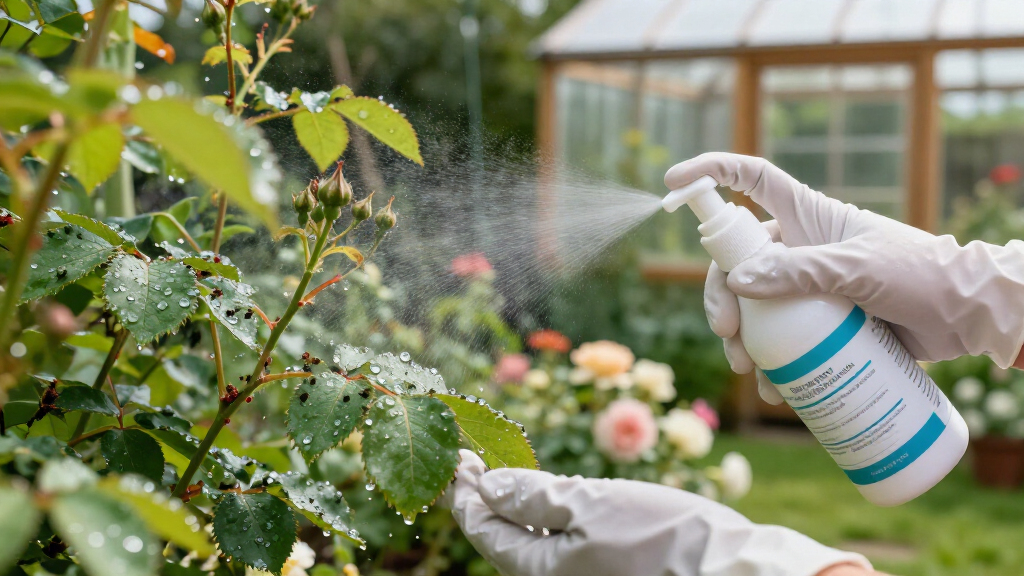

Choosing among the best insecticidal soaps for gardens comes down to three questions: ready-to-use convenience versus concentrate value, whether you need pure potassium salts of fatty acids or an boosted formula with spinosad or essential oils, and how delicate your plants are. Safer Brand Insect Killing Soap Concentrate earns the top overall spot because its concentrate format treats the most acreage per dollar while staying gentle enough for vegetables and ornamentals. Bonide Captain Jack’s Insecticidal Super Soap stands out for stubborn infestations thanks to its stronger knockdown formula, and Garden Safe Insecticidal Soap remains the easiest entry point for first-time growers who want a cheap, reliable ready-to-spray option. The main tradeoff in this category is potency versus plant safety — stronger mixes can burn tender foliage — plus the recurring cost of ready-to-use bottles versus the mixing hassle of concentrates. Keep reading for the full breakdown of all twelve products.

Get garden gear delivered free with Prime
- Fast, free delivery on millions of items
- Prime Video, Amazon Music and more included
- Member-only deals all year
Complete the kit


Key Takeaways
- Concentrates like Safer Brand and BioAniquile delivered far more treated square footage per dollar than ready-to-use sprays, but only the Safer Brand concentrate kept its ingredient list simple enough for sensitive edible plants.
- Two Bonide entries made the lineup for different reasons: Captain Jack’s Super Soap carries a potency edge for heavy aphid and mite pressure, while the standard Bonide Insecticidal Soap trades power for gentleness on seedlings.
- Earth’s Ally 3-in-1 and Fertilome Spinosad Soap blurred category lines by pairing soap with fungicides or spinosad — better for multi-problem gardens, but overkill and less safe for beneficial insects if pests are your only issue.
- Multi-packs (Safer Brand 6-Pack, Bonide 3-Pack, Trifecta 2-Pack) only made sense for large gardens; small-space growers risked shelf-life waste since insecticidal soap loses effectiveness over time once stored poorly.
- Natria‘s smaller 24 oz bottle was the weakest value per ounce but the most sensible size for balcony and container gardeners who will actually finish a bottle in one season.
| Trifecta Crop Control Insecticidal Soap, 32 fl oz, 2-Pack |  | Best for Edible Gardens | Volume: 32 fl oz per bottle | Pack size: 2 | Formula: Plant-based essential oil formula | VIEW LATEST PRICE | See Our Full Breakdown |
| BioAniquile Insecticidal Soap Concentrate with Cinnamon Oil, 33.8 fl oz |  | Best Value for Large Gardens | Volume: 33.8 fl oz concentrate | Maximum finished spray: Up to 130 gallons | Active ingredients: Insecticidal soap and cinnamon oil | VIEW LATEST PRICE | See Our Full Breakdown |
| Bonide Captain Jack’s Insecticidal Super Soap, Ready-to-Use Spray, 32 oz, Pack of 2 |  | Best Overall | Brand: Bonide | Pack size: 2 | Total volume: 64 fluid ounces | VIEW LATEST PRICE | See Our Full Breakdown |
| Garden Safe Insecticidal Soap Insect Killer Spray – 32 oz |  | Best for Houseplants | Brand: Garden Safe | Size: 32 oz | Unit count: 1 | VIEW LATEST PRICE | See Our Full Breakdown |
| Bonide Insecticidal Soap Ready-to-Use Spray, 32 oz |  | Best for Beginners | Brand: Bonide | Volume: 32 oz | Form: Ready-to-use spray | VIEW LATEST PRICE | See Our Full Breakdown |
| Safer Brand Insect Killing Soap Concentrate, 16 oz |  | Best Value for Large Gardens | Brand: Safer Brand | Product type: Insecticidal soap concentrate | Volume: 16 fl oz | VIEW LATEST PRICE | See Our Full Breakdown |
| Earth’s Ally 3-in-1 Plant Spray for Pests and Disease, 32 oz |  | Best Dual-Action Pest and Disease Spray | Brand: Earth’s Ally | Volume: 32 fl oz | Formula: Thyme, rosemary, clove, and peppermint oils | VIEW LATEST PRICE | See Our Full Breakdown |
| Bonide Captain Jack’s Insecticidal Super Soap Ready-to-Use Spray, 32 oz |  | Best for Caterpillar and Chewing Pest Problems | Brand: Bonide Captain Jack’s | Product type: Ready-to-use insecticidal soap spray | Volume: 32 oz | VIEW LATEST PRICE | See Our Full Breakdown |
| Safer Brand Insect Killing Soap, Ready-to-Use, 32 fl oz, 6-Pack |  | Best Bulk Buy for Frequent Treatments | Brand: Safer Brand | Product type: Ready-to-use insecticidal soap | Bottle volume: 32 fl oz each | VIEW LATEST PRICE | See Our Full Breakdown |
| Fertilome Spinosad Soap Insecticide, Ready to Use, 32 oz |  | Best Two-Ingredient Formula for Stubborn Outbreaks | Brand: Fertilome | Product number: 16076 | Volume: 32 oz | VIEW LATEST PRICE | See Our Full Breakdown |
| Bonide Insecticidal Soap Ready-to-Use Spray, 32 oz, 3-Pack |  | Best Bulk Buy for Multi-Bed Gardens | Brand: Bonide | Total Volume: 96 fluid ounces | Pack Size: 3 bottles | VIEW LATEST PRICE | See Our Full Breakdown |
| Natria Insecticidal Soap, Ready-to-Use, 24 oz |  | Best for Indoor and Outdoor Houseplants | Brand: Natria | Volume: 24 fluid ounces | Form: Ready-to-use spray | VIEW LATEST PRICE | See Our Full Breakdown |
| insecticidal soaps for garden | Brand | Volume | Form | Active ingredient |
|---|---|---|---|---|
| Trifecta Crop Control Insectic | — | 32 fl oz per bottle | — | — |
| BioAniquile Insecticidal Soap | — | 33.8 fl oz concentrate | Concentrate, dilute before use | — |
| Bonide Captain Jack’s Insectic | Bonide | — | Ready-to-use spray | Potassium salts of fatty acids from plants |
| Garden Safe Insecticidal Soap | Garden Safe | — | Ready-to-use spray | — |
| Bonide Insecticidal Soap Ready | Bonide | 32 oz | Ready-to-use spray | Potassium salts of fatty acids |
| Safer Brand Insect Killing Soa | Safer Brand | 16 fl oz | — | Potassium salts of fatty acids |
| Earth’s Ally 3-in-1 Plant Spra | Earth’s Ally | 32 fl oz | — | — |
| Bonide Captain Jack’s Insectic | Bonide Captain Jack’s | 32 oz | — | — |
| Safer Brand Insect Killing Soa | Safer Brand | — | — | Potassium salts of fatty acids (2%) |
| Fertilome Spinosad Soap Insect | Fertilome | 32 oz | Ready-to-use spray | — |
| Bonide Insecticidal Soap Ready | Bonide | — | Ready-to-use spray | Potassium fatty acids from plants |
| Natria Insecticidal Soap | Natria | 24 fluid ounces | Ready-to-use spray | Potassium salts of fatty acids, 1% |
More Details on Our Top Picks
Trifecta Crop Control Insecticidal Soap, 32 fl oz, 2-Pack
This option stands out for growers who treat vegetables and herbs as the core of their pest program. The plant-based essential oil formula is biodegradable, quick-drying, and leaves no residue or odor, which matters when you’re spraying basil or kale you plan to eat that week. Compared with Garden Safe Insecticidal Soap, which relies on contact action alone, Trifecta adds powdery mildew protection, effectively bundling two treatments into one bottle. The two-pack also gives you a spare for a full season of rotation. The tradeoff is friction at the moment of use: the listing gives no clear application rate or dilution guidance, so you’ll need to read the label carefully before spraying. It’s a stronger fit for attentive gardeners than for someone who wants a grab-and-go bottle.
Pros:- Combines pest control with powdery mildew protection in one spray
- Biodegradable formula suitable for edible crops
- Quick-drying with no residue or odor
- Two-bottle pack covers a full growing season
Cons:- No application rate or detailed usage instructions in the listing
- Essential oil formulas can be harsh on sensitive plants if overapplied
Best for: Vegetable and herb gardeners who want a dual-purpose spray covering both soft-bodied pests and powdery mildew
Not ideal for: Casual houseplant owners who want clear, simple instructions printed on the bottle — the sparse usage guidance invites mistakes
- Volume:32 fl oz per bottle
- Pack size:2
- Formula:Plant-based essential oil formula
- Use:Indoor and outdoor plants
- Targets:Spider mites, aphids, whiteflies, fungus gnats, soft-bodied pests, powdery mildew
- Residue:Quick-drying, no residue or odor
- Origin:Made in USA
Our verdict“If you grow food and fight both bugs and mildew, this dual-action two-pack is the most efficient choice in the lineup.”
BioAniquile Insecticidal Soap Concentrate with Cinnamon Oil, 33.8 fl oz
For anyone treating more than a few raised beds, dilution economics decide everything, and this concentrate makes up to 130 gallons of finished spray from a single 33.8 oz bottle. That’s the dividing line between it and every ready-to-use option here: Bonide Captain Jack’s Super Soap and Garden Safe both ship pre-mixed, meaning you pay to ship water and rebuy bottles constantly. The cinnamon oil addition is the other differentiator, offering mite, fungal, and repellent activity alongside the soap’s contact kill. The tradeoff is convenience — you must mix it correctly yourself, and the contact-only action still means pests have to be sprayed directly. This pick makes the most sense for greenhouse growers and large-plot gardeners; a person with four houseplants will never use a fraction of it.
Pros:- One concentrate yields up to 130 gallons of spray
- Cinnamon oil adds miticidal, fungicidal, and repellent functions
- Contact kill against aphids, whiteflies, mealybugs, thrips, and mites
- Far cheaper per gallon than ready-to-use alternatives
Cons:- Requires careful dilution before every use
- Contact-only action demands thorough coverage of pests
- No ready-to-use convenience for quick spot treatments
Best for: Greenhouse growers and large-plot gardeners who spray frequently and want the lowest cost per gallon
Not ideal for: Small-space or houseplant keepers — 130 gallons of mixed spray is far more than a few pots will ever need
- Volume:33.8 fl oz concentrate
- Maximum finished spray:Up to 130 gallons
- Active ingredients:Insecticidal soap and cinnamon oil
- Target pests:Aphids, whiteflies, mealybugs, thrips, mites
- Functions:Insecticidal, miticidal, fungicidal, repellent
- Form:Concentrate, dilute before use
- Action:Contact kill on susceptible soft-bodied pests
Our verdict“Volume sprayers get the best economics in this roundup, but only if they’re willing to mix their own solution.”
Bonide Captain Jack’s Insecticidal Super Soap, Ready-to-Use Spray, 32 oz, Pack of 2
This pick earns the top spot because it balances the three things most gardeners actually want: zero mixing, organic certification, and harvest-day flexibility. Unlike the BioAniquile concentrate, which demands measuring and dilution every time, Captain Jack’s ships with a spray nozzle attached — you grab it the moment you spot aphids. The potassium salts of fatty acids kill on contact or when insects feed on treated leaves, a slight edge over Garden Safe’s purely direct-contact action because lingering residue on foliage keeps working briefly. Being approved for organic gardening and usable up to harvest day makes it dependable around vegetables. The honest limitation: coverage still determines results. Insects hiding under leaves or in rolled foliage escape untreated, so a casual once-over spray won’t cut it.
Pros:- Ready to use straight from the box with attached spray nozzle
- Kills through both direct contact and feeding on treated leaves
- Approved for organic gardening
- May be used up to the day of harvest
Cons:- Insects must be exposed to treated surfaces to be affected
- Ready-to-use format costs more per ounce than concentrates like BioAniquile
Best for: Organic vegetable gardeners who want a dependable, no-mixing spray they can use right up to harvest
Not ideal for: Gardeners battling heavy or hidden infestations — contact-and-feeding action requires exposed insects and repeat passes
- Brand:Bonide
- Pack size:2
- Total volume:64 fluid ounces
- Form:Ready-to-use spray
- Active ingredient:Potassium salts of fatty acids from plants
- Use areas:Outdoor residential gardens, lawns, ornamentals, greenhouses
- Mode of action:Contact or ingestion of treated foliage
- Organic gardening:Approved
Our verdict“The best all-around balance of convenience, organic approval, and harvest safety for a typical home garden.”
Garden Safe Insecticidal Soap Insect Killer Spray – 32 oz
Where Bonide Captain Jack’s Super Soap is oriented toward outdoor residential plots, this single-bottle Garden Safe option earns its place as the indoor workhorse — explicitly suited to houseplants, greenhouses, and garden beds alike. It arrives ready to use with no mixing, which is exactly what you want when mealybugs appear on a windowsill succulent and you need to act now. Like the Bonide Insecticidal Soap single bottle, it uses contact action against aphids, mites, whiteflies, and other soft-bodied pests, and it’s cleared for use up to harvest day on edibles. The reality check: contact-only kill means you must hit every insect directly, and heavy infestations will demand frequent reapplication rather than one decisive treatment. For recurring spider mite problems, pairing it with a systemic approach or the Trifecta formula would serve you better.
Pros:- Ready-to-use with no mixing required
- Suitable for indoor, outdoor, and greenhouse use
- Effective against a broad spectrum of soft-bodied insects
- Organic gardening safe and applicable up to harvest day
Cons:- Requires thorough, direct coverage of pests
- Frequent reapplication needed for heavy infestations
- No systemic or residual protection
Best for: Houseplant owners and greenhouse keepers dealing with aphids, mites, and whiteflies on a manageable scale
Not ideal for: Anyone fighting a severe or recurring infestation — contact-only action with no residual protection means constant re-treatment
- Brand:Garden Safe
- Size:32 oz
- Unit count:1
- Form:Ready-to-use spray
- Targets:Aphids, mites, whiteflies, and other soft-bodied insects
- Use areas:Indoor plants, outdoor gardens, greenhouses, vegetables, fruit trees, ornamentals
- Mode of action:Contact kill
- Harvest interval:May be used up to day of harvest
- Model number:HG-93216
Our verdict“A sensible, fuss-free bottle for indoor plant care and light garden duty, as long as your pest pressure is moderate.”
Bonide Insecticidal Soap Ready-to-Use Spray, 32 oz
This is the pick I’d hand to a first-time plant owner who wants one simple bottle and no decisions to make. It comes ready to spray with a nozzle attached, uses the same potassium salts of fatty acids found in Captain Jack’s Super Soap, and covers houseplants, vegetables, flowers, fruits, and outdoor gardens — essentially every context a beginner will encounter. Compared with the Garden Safe bottle, the distinction is subtle: both are contact killers, but Bonide’s broader labeled plant range makes it the safer default when you’re unsure what you can spray. It’s organic-approved and harvest-day safe, so early mistakes are forgiving. The drawbacks are structural rather than unique: insects must be sprayed directly or feed on treated leaves, and the outdoor-use directions carry label restrictions a new gardener should actually read. Serious growers should step up to a concentrate for volume.
Pros:- Ready to use with attached spray nozzle
- Approved for organic gardening
- Labeled for a wide variety of plants, vegetables, and fruits
- May be used up to the day of harvest
Cons:- Contact-only action requires reaching insects directly
- Outdoor residential use directions may limit where it can be applied
- Small single-bottle format offers poor value at scale
Best for: Beginners who want one forgiving, ready-to-spray bottle for a mixed collection of houseplants and garden beds
Not ideal for: Large-property gardeners — a single 32 oz ready-to-use bottle runs out fast, and the concentrate route is far more economical
- Brand:Bonide
- Volume:32 oz
- Form:Ready-to-use spray
- Active ingredient:Potassium salts of fatty acids
- Use areas:Houseplants, vegetables, flowers, fruits, outdoor gardens
- Mode of action:Contact kill
- Organic gardening:Approved
- Harvest interval:May be used up to the day of harvest
Our verdict“The least intimidating entry point into insecticidal soap, ideal for a first spray bottle that works almost everywhere.”
Safer Brand Insect Killing Soap Concentrate, 16 oz
Most ready-to-use options in this roundup, like the Bonide Insecticidal Soap Ready-to-Use Spray, send you a bottle that’s already diluted — which means you’re mostly paying to ship water. This concentrate flips that equation: a single 16 oz bottle makes up to 6 gallons of finished spray, which is the kind of math that matters once you’re treating more than a few raised beds. The OMRI-listed potassium salts of fatty acids formula covers an unusually long pest list, from aphids and mites to squash bugs and sawfly larvae, and it’s safe to use right up to harvest day.
The tradeoff is effort. You’ll need your own sprayer, you’ll need to mix accurately, and you’ll need patience — a 5-to-7-day reapplication cycle is standard for stubborn infestations. And like its ready-to-use sibling from Safer Brand, spraying in heat above 90°F risks leaf damage.
Pros:- Makes up to 6 gallons from one small bottle, dramatically cheaper per gallon than ready-to-use sprays
- OMRI Listed for organic gardening and usable through the day of harvest
- One of the broadest pest labels in the lineup, including squash bugs and sawfly larvae
- Works on vegetables, herbs, houseplants, and ornamentals alike
Cons:- Requires mixing and a separate sprayer, adding steps every treatment
- Multiple applications every 5–7 days are usually needed for full control
- Can scorch leaves if applied in heat above 90°F
Best for: Gardeners with multiple beds or large ornamental plantings who want the lowest cost per gallon and already own a pump sprayer
Not ideal for: Houseplant owners or small-container gardeners who would waste most of the 6-gallon yield and prefer a grab-and-go trigger bottle
- Brand:Safer Brand
- Product type:Insecticidal soap concentrate
- Volume:16 fl oz
- Active ingredient:Potassium salts of fatty acids
- Coverage:Makes up to 6 gallons
- Application interval:Every 5–7 days while insects are present
- Organic certification:OMRI Listed
- Target pests:Aphids, mealybugs, mites, thrips, whiteflies, squash bugs, soft scales, and more
Our verdict“This is the pick for anyone treating a real garden rather than a windowsill — the concentrate format rewards scale with serious savings, as long as you’re willing to mix and reapply.”
Earth’s Ally 3-in-1 Plant Spray for Pests and Disease, 32 oz
Every other product in this roundup does one job: killing bugs. Earth’s Ally does two, pairing soft-bodied insect control with activity against common plant diseases thanks to a botanical blend of thyme, rosemary, clove, and peppermint oils. If your roses are fighting aphids and black spot at the same time, that dual action means one bottle where the Safer Brand concentrate would require a second product entirely. The ready-to-use format and independently tested bee-safety profile make it approachable for growers who are cautious about what they spray around pollinators.
Be clear about what this isn’t. It’s a botanical oil spray rather than a classic fatty-acid soap, so its pest and disease coverage is limited strictly to what’s on the label — the Safer Brand and Bonide options list considerably more target insects. And with no stated reapplication interval on the product details, you’ll be leaning on the label closely to build a treatment routine.
Pros:- Controls both listed pests and common plant diseases in a single spray
- Ready-to-use bottle with no mixing required
- Independently tested for bee safety
- Botanical oil formula suitable for indoor and outdoor plants
Cons:- Pest and disease coverage limited strictly to what appears on the label
- No stated application frequency in product details, requiring close label reading
- Botanical oils can be gentler than fatty-acid soaps against established infestations
Best for: Gardeners and houseplant owners dealing with pest pressure and fungal issues at once, especially those prioritizing pollinator safety
Not ideal for: Growers battling a heavy, multi-species infestation who need the broadest labeled pest list a traditional fatty-acid soap provides
- Brand:Earth’s Ally
- Volume:32 fl oz
- Formula:Thyme, rosemary, clove, and peppermint oils
- Use sites:Indoor and outdoor plants
- Coverage type:Soft-bodied insects and listed plant diseases
- Manufacturer:Sarasota Green Group
- UPC:810021610566
Our verdict“Choose this when your problem is bigger than bugs — the two-in-one pest-plus-disease formula justifies its spot, but pure pest-killers like Safer Brand cover more insects.”
Bonide Captain Jack’s Insecticidal Super Soap Ready-to-Use Spray, 32 oz
Standard insecticidal soaps like the Natria Insecticidal Soap or Garden Safe spray only kill what the spray touches directly — fine for slow-moving aphids, frustrating for caterpillars tucked into leaf folds. Captain Jack’s Super Soap adds a second mode of action: pests that feed on treated leaf surfaces are also controlled through ingestion. That’s a genuine advantage when you’re chasing cabbage loopers or other chewing insects you can’t spray head-on, and it widens the target list to include flies as well as the usual soft-bodied suspects. Like the rest of the Bonide lineup, it’s approved for organic gardening across lawns, ornamentals, and greenhouses.
Two caveats shape who should buy it. It’s built for outdoor use, so houseplant growers should look at Earth’s Ally or the Safer Brand ready-to-use instead. And the ingestion pathway only helps with pests that actually feed on sprayed foliage — purely contact-susceptible insects still need thorough, direct coverage.
Pros:- Dual action through both direct contact and ingestion
- Broader pest list than classic soaps, including caterpillars and flies
- Approved for organic gardening
- Covers gardens, lawns, ornamentals, and greenhouses
Cons:- Outdoor-only design excludes houseplant use
- Ingestion mode only works on pests that feed on treated surfaces
- Ready-to-use format costs more per ounce than concentrates
Best for: Vegetable gardeners fighting caterpillars and other chewing pests that hide on or inside foliage
Not ideal for: Indoor growers or houseplant owners, since the formula is designed for outdoor application
- Brand:Bonide Captain Jack’s
- Product type:Ready-to-use insecticidal soap spray
- Volume:32 oz
- Use sites:Outdoor gardens, lawns, ornamentals, and greenhouses
- Control method:Direct contact and ingestion
- Organic approval:Approved for organic gardening
- Target pests:Aphids, caterpillars, spider mites, flies, and other listed insects
Our verdict“If caterpillars are the problem, this is the soap to reach for — its ingestion-based control handles pests that contact-only sprays like Natria can’t reliably reach.”
Safer Brand Insect Killing Soap, Ready-to-Use, 32 fl oz, 6-Pack
Insecticidal soap is rarely a one-and-done treatment — which is why the single 32 oz bottles most brands sell, like the Bonide Insecticidal Soap Ready-to-Use, can run dry mid-infestation. This six-pack puts 192 total ounces on the shelf, enough to sustain the repeated applications that soft-bodied pests demand across a whole season. The formula matches Safer Brand’s reputation in this space: potassium salts of fatty acids at 2%, OMRI-listed, with added seaweed extract and no unpleasant odor — a real plus compared with the botanical-oil sprays like Earth’s Ally, which carry a noticeable herbal scent.
The catch is commitment. Six bottles is a lot of product for someone with a few houseplants, and the economics only work if you’ll genuinely use it before it sits too long. The same soap caveats apply here too: repeated spraying is expected, and applications in heat above 90°F can damage leaves.
Pros:- Six 32 oz bottles supply a full season of repeat treatments
- 2% potassium salts of fatty acids — stronger active concentration than several competitors
- OMRI-listed and unscented, with seaweed extract that’s gentle on plants
- Ready-to-use trigger bottles require zero mixing
Cons:- Large upfront quantity is wasteful for small-scale growers
- Multiple applications still needed for full control
- Cannot be applied during peak heat or above 90°F
Best for: Gardeners with recurring seasonal infestations or many plants who know they’ll spray repeatedly all summer
Not ideal for: Casual growers with a couple of plants — six bottles is far more spray than a small collection will ever need
- Brand:Safer Brand
- Product type:Ready-to-use insecticidal soap
- Bottle volume:32 fl oz each
- Pack size:6 bottles (192 fl oz total)
- Active ingredient:Potassium salts of fatty acids (2%)
- Additional ingredient:Seaweed extract
- Scent:Unscented
- Organic certification:OMRI-listed and compliant
- Model number:5110-6
Our verdict“For anyone who’s bought a single bottle of soap and run out mid-season, this bulk pack solves that problem — just make sure your pest pressure justifies the volume.”
Fertilome Spinosad Soap Insecticide, Ready to Use, 32 oz
Fertilome takes a different approach from everything else in this lineup: instead of relying on fatty acids alone, it pairs potassium salts of fatty acids with a small dose of spinosad. That second ingredient, a naturally derived bacterial compound, adds residual activity against pests that a pure contact soap — like the Safer Brand ready-to-use or Natria — simply can’t match once the spray dries. For infestations that keep bouncing back despite repeated soap applications, that extra mode of action can break the cycle. It’s still OMRI listed, and the label spans vegetables, trees, shrubs, flowers, fruits, and citrus, one of the widest plant-range listings here.
The spinosad addition cuts both ways. It’s an outdoor-only product, ruling out the houseplant crowd, and because the pest list and repeat-application details live on the label rather than in the product details, you’ll need to read it carefully before spraying — more diligence than the straightforward Captain Jack’s bottle demands.
Pros:- Spinosad plus fatty acids provides two modes of action in one spray
- Extremely broad plant range including vegetables, fruits, and citrus
- OMRI listed for organic gardening
- Ready-to-use bottle with no mixing
Cons:- Outdoor use only
- Full pest list and reapplication schedule require consulting the label
- Spinosad demands more careful use around bees than plain soap formulas
Best for: Outdoor gardeners with persistent infestations that pure soap sprays haven’t fully controlled
Not ideal for: Indoor and houseplant growers, and anyone who wants full pest and timing details available upfront without label research
- Brand:Fertilome
- Product number:16076
- Volume:32 oz
- Form:Ready-to-use spray
- Active ingredients:Potassium salts of fatty acids 0.940%; spinosad 0.005%
- Intended use:Outdoor plants and gardens
- Plant range:Vegetables, trees, shrubs, flowers, fruits, and citrus
- Organic certification:OMRI listed
Our verdict“When repeated soap spraying hasn’t cracked a stubborn outdoor infestation, this spinosad-fortified formula is the logical escalation — just read the label thoroughly before use.”
Bonide Insecticidal Soap Ready-to-Use Spray, 32 oz, 3-Pack
Gardeners treating a full vegetable plot quickly learn that a single 32-ounce bottle barely survives one season of aphid pressure. This three-pack of ready-to-use Bonide solves that problem outright, giving you 96 total ounces of spray without any mixing or measuring. Compared with the standalone 32 oz Bonide bottle elsewhere in this roundup, the per-ounce math clearly favors buyers with recurring infestations across beds, lawns, and greenhouses. The plant-derived potassium fatty acids are OMRI-listed-adjacent in spirit — approved for organic gardening — and the day-of-harvest clearance means you can spray edibles without a waiting period. The tradeoff: it’s positioned strictly for outdoor residential use, so indoor houseplant growers should lean toward the Natria instead, which explicitly covers houseplants. Like all contact soaps, it only kills what it touches, so repeat applications are part of the deal.
Pros:- Three 32 oz bottles provide serious volume for repeated treatments across a whole growing season
- No mixing required — spray straight from the bottle
- Approved for organic gardening with plant-derived potassium fatty acids
- Safe to use up to the day of harvest on edibles
Cons:- Contact-only kill means pests missed by the spray survive and require repeat applications
- Explicitly designed for outdoor residential gardens, leaving indoor use unsupported
Best for: Vegetable gardeners and greenhouse growers managing multiple beds who go through spray quickly and want to stock up
Not ideal for: Indoor plant owners — the labeling is built around outdoor residential use, and houseplant coverage isn’t the focus
- Brand:Bonide
- Total Volume:96 fluid ounces
- Pack Size:3 bottles
- Container Size:32 oz each
- Form:Ready-to-use spray
- Active Ingredient:Potassium fatty acids from plants
- Target Species:Insects
- Use Sites:Outdoor residential gardens, lawns, ornamentals, and greenhouses
Our verdict“Buy this if you’re treating a large or recurring outdoor pest problem and want ready-to-use organic spray in bulk; skip it for houseplants.”
Natria Insecticidal Soap, Ready-to-Use, 24 oz
What separates the Natria 24 oz from nearly every other bottle in this roundup is explicit indoor and outdoor coverage, including houseplants, roses, flowers, fruits, and vegetables. While the Bonide 3-pack is built for outdoor beds, this one is the better pick for someone juggling a windowsill of herbs and a patio of roses — one bottle covers both worlds. It names its targets plainly: aphids, mealybugs, mites, and whiteflies, the exact pest profile that plagues indoor plants. At 24 ounces with a 1% potassium salts of fatty acids formulation, it’s lighter-duty than concentrates like the Safer Brand 16 oz, which makes more sense for heavy outdoor infestations. The honest drawback is vagueness on application frequency and coverage area — you’ll be guessing how much product a treatment actually requires, which can lead to running out mid-infestation.
Pros:- Explicitly labeled for indoor and outdoor plants, including houseplants
- Names its target pests directly: aphids, mealybugs, mites, and whiteflies
- Ready-to-use trigger bottle with no mixing required
- Can be applied through the day of harvest on edibles
Cons:- No stated application frequency or coverage area, making dosing and repurchase planning guesswork
- Smaller 24 oz size runs out fast if pests spread beyond a few plants
Best for: Houseplant and patio-garden owners who want one ready-to-use bottle that works indoors and out
Not ideal for: Growers battling heavy or widespread outdoor infestations who need clear coverage guidance and larger volume
- Brand:Natria
- Volume:24 fluid ounces
- Form:Ready-to-use spray
- Active Ingredient:Potassium salts of fatty acids, 1%
- Target Pests:Aphids, mealybugs, mites, whiteflies
- Suitable For:Indoor and outdoor plants, including roses, flowers, fruits, vegetables, and houseplants
- EPA Registration Number:67702-21-92564
- Model Number:706230A
Our verdict“This is the pick for mixed indoor-outdoor plant keepers who want simple, harvest-safe pest control; heavier infestations need a bigger or more transparent option.”

How We Picked
I evaluated each soap on four factors that actually change outcomes in a garden. Efficacy against soft-bodied pests came first: aphids, spider mites, whiteflies, mealybugs, and thrips are the targets insecticidal soap is built for, and formulas with added spinosad or essential oils simply hit harder than plain fatty-acid salts. Plant safety was the second filter — soap can scorch ferns, seedlings, and waxy-leaved plants, so I favored products with clear dilution guidance and a track record of gentleness on edibles. Format and value formed the third criterion: concentrates were judged on cost per treated gallon, ready-to-use sprays on sprayer quality and per-ounce pricing, and multi-packs on whether a typical gardener could realistically use the volume before degradation.
The fourth factor was residual impact on beneficial insects and harvest timing, since soaps work on contact and differ mainly in how long you must wait before harvesting treated produce. Ranking prioritized versatility: products gentle enough for vegetables and ornamentals ranked above niche formulas, and value picks had to match the performance of premium options rather than merely undercutting them on price. Where two products tied on performance, sprayer ergonomics, label clarity, and availability broke the tie.
| insecticidal soaps for garden | Form | Active ingredient |
|---|---|---|
| Trifecta Crop Control Insectic | — | — |
| BioAniquile Insecticidal Soap | Concentrate, dilute before use | — |
| Bonide Captain Jack’s Insectic | Ready-to-use spray | Potassium salts of fatty acids from plants |
| Garden Safe Insecticidal Soap | Ready-to-use spray | — |
| Bonide Insecticidal Soap Ready | Ready-to-use spray | Potassium salts of fatty acids |
| Safer Brand Insect Killing Soa | — | Potassium salts of fatty acids |
| Earth’s Ally 3-in-1 Plant Spra | — | — |
| Bonide Captain Jack’s Insectic | — | — |
| Safer Brand Insect Killing Soa | — | Potassium salts of fatty acids (2%) |
| Fertilome Spinosad Soap Insect | Ready-to-use spray | — |
| Bonide Insecticidal Soap Ready | Ready-to-use spray | Potassium fatty acids from plants |
| Natria Insecticidal Soap | Ready-to-use spray | Potassium salts of fatty acids, 1% |
Factors to Consider When Choosing Best Insecticidal Soaps For Gardens
Before clicking buy on any of these soaps, it helps to understand what actually separates a smart purchase from a wasted bottle. These are the factors that shaped my rankings and that should shape yours.Ready-to-Use vs. Concentrate: The Real Cost Equation
The single biggest decision is format, and most gardeners undervibrate on it. A ready-to-use spray like Garden Safe or Captain Jack’s costs more per ounce but eliminates mixing errors — a real advantage because over-concentrated soap burns foliage more often than the pests themselves do. Concentrates like Safer Brand cost pennies per gallon once diluted, but they demand accurate measuring, a separate sprayer, and immediate use after mixing, since diluted soap doesn’t store well. My general rule: if you treat fewer than a dozen plants occasionally, buy ready-to-use; if you’re fighting recurring infestations across a vegetable garden, a concentrate pays for itself within one season. Also check whether the ready-to-use bottle has an adjustable nozzle — a fine mist reaches leaf undersides where aphids cluster, and a cheap sprayer wastes product with drippy streams.
Active Ingredients and Added Chemistry
Not every product labeled “insecticidal soap” contains only soap. Pure potassium salts of fatty acids — the classic formula — work purely by contact and leave essentially no residue, which is why they’re the safest choice for pollinator-adjacent spraying. Products like Fertilome’s Spinosad Soap add a bacterial-derived insecticide that adds residual activity but also kills beneficial insects that contact treated leaves, and BioAniquile’s cinnamon oil blend adds essential oils that can irritate tender plants. If you keep bees, ladybugs, or butterfly gardens, added chemistry is a liability rather than a bonus. Read the active ingredient percentage on the label rather than trusting the front-of-bottle marketing, and match potency to the severity of your infestation rather than buying the strongest option by default.
Plant Sensitivity and Edible Crop Safety
Insecticidal soap is gentle by pesticide standards, but it is not risk-free. Ferns, succulents, waxy-leaved houseplants, and new seedlings are the most common burn victims, and any soap applied in direct sun or heat above 90°F dramatically increases scorch risk. For vegetable gardens, check the pre-harvest interval on the label — pure soaps typically allow harvest the same day, while spinosad blends may require waiting several days. A common mistake I see repeated is spraying an entire plant after buying a new product; instead, test one leaf, wait 24 to 48 hours, and check for damage before committing the whole plant. Gardeners growing herbs and leafy greens should stay closest to the pure-fatty-acid formulas, while ornamental growers have more freedom to use boosted blends.
Coverage Math: Don’t Overbuy
Multi-packs dominate this category, and they’re a trap for small gardens. Insecticidal soap has a functional shelf life of roughly two to three years, and it degrades faster after temperature swings in a shed or garage. A 6-pack makes sense only if you’re treating a large garden repeatedly through a full growing season; otherwise you’re paying upfront for product you’ll pour out in two years. Run the numbers before choosing a pack size: estimate the number of plants you’ll treat, how often you’ll reapply (typically weekly during an active infestation), and buy the smallest volume that covers one season plus a buffer. This is exactly why the 24 oz Natria bottle earned a spot despite its higher per-ounce cost — a finished small bottle beats a half-empty large one every time.
Application Habits and Sprayer Quality
Spray equipment quality separates effective treatments from frustrating ones, and it varies widely among ready-to-use products. A trigger sprayer that clogs, leaks, or only delivers a coarse stream forces you to use double the product for half the coverage, quietly erasing any price advantage. Fine, even misting is what kills soft-bodied insects, because the soap must physically coat the pest to dissolve its outer membrane — pests on leaf undersides that escape the spray survive and rebound within days. If you buy a concentrate, invest in a dedicated gallon pump sprayer with an adjustable wand; repurposing a household cleaner bottle leaves residue that can react with the soap or poison plants. Whatever you choose, spray in early morning or evening when pests are feeding, sun is weak, and pollinators are less active.
When Soap Is the Wrong Tool Entirely
The final factor is honesty about what insecticidal soap can and cannot do, because buying the wrong category wastes a season. Soap kills only what it contacts, only at the soft-bodied stage — it does nothing to caterpillars, beetles, borers, or hard-shelled pests, and it won’t touch eggs. If your damage pattern involves chewed holes rather than stippled, curled, or sticky leaves, a soap purchase will disappoint you no matter which of the twelve you choose. Similarly, severe, established infestations often need rotational treatments with different modes of action rather than escalating soap concentrations, which only burns plants. Soap is at its best as an early-intervention and maintenance tool: catch aphids and mites within the first week or two, and it performs excellently across every product in this lineup.
Frequently Asked Questions
Can I use any of these insecticidal soaps on vegetables and herbs I’m going to eat?
Most of the pure fatty-acid soaps in this lineup — Safer Brand, Garden Safe, Bonide Insecticidal Soap, and Natria — are labeled for edible crops and typically allow harvest the same day you spray, though you should still rinse produce before eating. The exceptions to watch are the boosted formulas: Fertilome’s Spinosad Soap carries a multi-day pre-harvest interval for some crops, and essential-oil blends like BioAniquile can leave flavor residue on leafy herbs. Always read the specific crop list on the label, because coverage varies even within one brand’s product line. If you grow a lot of edibles and want zero guesswork, a pure soap concentrate you dilute yourself is the safest pattern. And regardless of product, never spray open blossoms on fruiting vegetables, as you’ll deter the pollinators that set your fruit.
Which pick is better for a heavy spider mite infestation: pure soap or a spinosad blend?
Spider mites are a genuine weak point for pure insecticidal soap, not because the soap fails but because mites reproduce every few days and any survivors rebound fast. For a heavy, established infestation, Fertilome Spinosad Soap or Captain Jack’s Super Soap offers the knockdown power to break that cycle, at the cost of a pre-harvest wait and more harm to beneficial mites and insects. For light or early mite pressure, a pure soap like Safer Brand applied thoroughly — including leaf undersides — every five to seven days for three weeks usually wins without collateral damage. The compromise strategy many gardeners use is starting with pure soap, then escalating to the stronger blend only if the infestation persists past two treatment cycles. Just don’t escalate by over-concentrating pure soap; that burns leaves before it kills mites.
Is buying a 6-pack like the Safer Brand multi-pack actually a good deal?
It depends entirely on garden size, and this is where a lot of money gets wasted. Ready-to-use insecticidal soap has a shelf life of roughly two to three years, and it degrades faster when stored somewhere with temperature swings, like a shed or garage. If you maintain a large vegetable garden and expect weekly applications through a full growing season, a multi-pack cuts the per-ounce cost meaningfully and you’ll finish it. A balcony gardener with ten containers, though, will use maybe one bottle a season and end up discarding the rest — making the 24 oz Natria or a single Garden Safe bottle the genuinely cheaper choice. A useful exercise before buying: multiply your plant count by roughly two ounces per treatment by eight treatments, and buy the pack size closest to that number.
Why did my leaves burn after using insecticidal soap, and how do I avoid it?
Leaf scorch from soap almost always traces back to one of four causes: spraying in direct sun or heat above 90°F, over-concentrating a concentrate mix, spraying drought-stressed plants, or using soap on a naturally sensitive species. Ferns, succulents, Japanese maples, and waxy-leaved plants like some ivies are the usual victims, and damage shows up within a day or two as bleached or browned patches. To prevent it, spray in early morning or evening, follow concentrate dilution rates precisely rather than eyeballing, water plants well the day before treatment, and always run a test spray on one leaf and wait 48 hours before treating the whole plant. Products with essential oils added, like BioAniquile’s cinnamon formula, raise scorch risk on tender foliage compared with plain fatty-acid soaps. And never mix insecticidal soap with other pesticides or fertilizers in one tank — combined residues are a classic burn cause.
Do these soaps harm bees, ladybugs, and other beneficial insects?
Pure insecticidal soaps are among the safest pest controls for beneficial insects because they work only on direct contact and leave no meaningful residue once dry — a ladybug that lands on a treated leaf an hour later is essentially unaffected, though a bee sprayed directly can be harmed. The risk changes with the boosted formulas in this lineup: Fertilome’s spinosad blend has residual leaf activity that can kill beneficials for days after application, and Earth’s Ally 3-in-1 affects a broader spectrum than soap alone. The practical rules that apply across every product here: spray at dawn or dusk when pollinators aren’t flying, avoid open blooms entirely, and never treat plants where ladybugs are actively hunting aphids — you’ll kill the free labor. If beneficial-insect protection is your top priority, choose a pure soap and accept slightly more frequent reapplication in exchange.
Conclusion
Matching the right soap to your situation matters more than any single product’s strengths. For the best overall pick, Safer Brand Insect Killing Soap Concentrate delivers the best mix of efficacy, edible-crop safety, and cost per treated gallon, which is why it leads this roundup. The best value goes to Garden Safe Insecticidal Soap, an inexpensive single bottle that matches the performance of pricier ready-to-use sprays for small gardens. Trifecta Crop Control’s 2-Pack earns the premium slot for serious growers who want maximum treating capacity and formulation quality in one purchase. Beginners should reach for Natria Insecticidal Soap or the Bonide Ready-to-Use Spray — pre-mixed, gentle, and impossible to over-concentrate.
For specific needs: Bonide Captain Jack’s Super Soap suits heavy aphid and mite pressure, Fertilome Spinosad Soap handles infestations that pure soap can’t break, Earth’s Ally 3-in-1 covers gardens battling fungus alongside pests, and the Safer Brand 6-Pack or Bonide 3-Pack serve large plots with recurring treatments. Whatever you choose, remember that thorough coverage of leaf undersides and repeated applications matter as much as the bottle you buy — even the best soap only kills what it touches.
Fall yard work Picks
leaf blowers
As an affiliate, we earn on qualifying purchases.