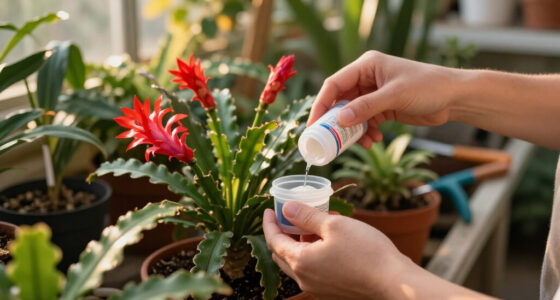
A commercial plant tissue culture kit can mean two very different things: a home kit for acclimating purchased plantlets or laboratory vessels for controlled propagation. I rank the Tissue Culture Starter Kit first for home growers because its pots, humidity domes, and blend are supplied together; the Plantcon pack is the more practical pick for small professional workflows; and the Incu Tissue case suits labs needing sterile vessels in bulk. The key tradeoff is readiness versus process control: home acclimation gear does not replace sterile culture media and lab technique, while research containers do not provide a beginner-friendly growing setup.

Get garden gear delivered free with Prime
- Fast, free delivery on millions of items
- Prime Video, Amazon Music and more included
- Member-only deals all year
These five options are not interchangeable. One is intended to help recently rooted plantlets adjust to potting conditions, one supports a specific small-scale propagation approach, and three are primarily vessels for controlled culture work. I compare them by what arrives in the package, how much sterile handling or extra equipment the buyer must supply, and how well the format fits the intended stage of plant growth.
Complete the kit


Key Takeaways
- For acclimating purchased plantlets at home, the Starter Kit combines three humidity-dome pots, wick watering, and TC Blend mix; it is not a complete sterile micropropagation lab.
- For compact begonia propagation, Super Starts focuses on small containers and specialized media, but its stated plant fit is narrower than the other options.
- For bulk sterile lab vessels, Incu Tissue supplies 120 square, single-use containers, though they cannot be autoclaved for reuse.
- For a small controlled workflow, Plantcon offers ten presterilized containers with vented covers, but buyers still need media and a clean working process.
- For reusable vertical cultures, the 64 polycarbonate tubes are autoclave-ready to 130°C, but caps are not listed and the narrow shape needs stable handling.
| Tissue Culture Starter Kit with Self-Watering Pots and TC Blend Soil |  | Best Overall for Home Acclimation | Brand: Generic | Manufacturer: The Tropical Treasure | Included pots: Three self-watering pots | VIEW ON AMAZON | See Our Full Breakdown |
| Plantcon Plant Tissue Culture Container, Sterilized (Pack of 10) |  | Best for Small Controlled Workflows | Pack quantity: 10 containers | Contents: Sterile covers and bottoms | Material: Plastic described as unbreakable | VIEW ON AMAZON | See Our Full Breakdown |
| Incu Tissue Plant Tissue Culture Vessel – Case of 120, Square 72 x 72 x 100 mm, Sterile Polystyrene, Clear, Single-Use |  | Best for Bulk Sterile Vessel Supply | Case quantity: 120 vessels | Material: Polystyrene | External dimensions: 72 × 72 × 100 mm | VIEW ON AMAZON | See Our Full Breakdown |
| 50ml Plant Tissue Culture Tube, Reusable Polycarbonate Laboratory Tube for Plant Propagation, Autoclave Ready up to 130°C, 100 × 30mm, 64 Pack |  | Best Reusable Format for Lab Work | Pack quantity: 64 tubes | Capacity: 50 ml | Material: Virgin polycarbonate | VIEW ON AMAZON | See Our Full Breakdown |
| Super Starts Plant Tissue Culture Kit |  | Best Compact Option for Begonia Propagation | Brand: Plant Tissue | Manufacturer: Pure Food Hydroponics | Unit count: 1 | VIEW ON AMAZON | See Our Full Breakdown |
| commercial plant tissue culture kit | Material |
|---|---|
| Tissue Culture Starter Kit wit | — |
| Plantcon Plant Tissue Culture | Plastic described as unbreakable |
| Incu Tissue Plant Tissue Cultu | Polystyrene |
| 50ml Plant Tissue Culture Tube | Virgin polycarbonate |
| Super Starts Plant Tissue Cult | — |
More Details on Our Top Picks
Tissue Culture Starter Kit with Self-Watering Pots and TC Blend Soil
I put this option first because it is the only entry here that bundles acclimation pots, humidity domes, and growing mix for the stage many home growers actually face: moving a plantlet out of its culture environment. Three clear pots make it possible to watch root development, while domes provide a way to manage humidity as the plant adjusts. The wick system aims to keep moisture steadier than watering by guesswork, and the volcanic soil-and-perlite blend is presented as an airy alternative to compacting potting mix.
Compared with the Plantcon and Incu Tissue products, this is much closer to a ready-to-use home setup, but it does not serve the same sterile propagation job. It is for acclimating existing plantlets, not for multiplying explants inside a controlled culture vessel. Super Starts is the closer rival for small-scale plant propagation, yet its description centers on begonia leaves and specialized media rather than a general acclimation bundle. The Starter Kit is therefore the more approachable fit for a collector with a newly purchased aroid, while the lab products make more sense when sterile handling is the main requirement.
The main tradeoffs are its limited scope and sparse brand identity: the brand is listed as Generic, and the stated use is indoor only. The listing also does not specify a sterile medium, propagation additives, or lab tools. I would not treat it as a commercial micropropagation system simply because it contains “tissue culture” in the name. Its value is in bringing together the basic pieces for post-culture adjustment, not in replacing a lab protocol.
Pros:- Combines three pots, humidity domes, and TC Blend mix for acclimation.
- Wick watering helps maintain steadier moisture during adjustment.
- Clear pots make root growth easier to inspect.
- Airy volcanic soil and perlite are intended to support drainage.
Cons:- Not a complete sterile micropropagation kit or culture-media system.
- Generic brand listing may offer limited confidence about sourcing.
- Specified for indoor use rather than outdoor growing.
Best for: Indoor growers acclimating a small number of tissue-cultured aroids or other plantlets who want pots, humidity covers, and airy mix in one bundle.
Not ideal for: Laboratories seeking sterile explant culture equipment, growers needing an included culture medium, or buyers who want a broad outdoor-use setup.
- Brand:Generic
- Manufacturer:The Tropical Treasure
- Included pots:Three self-watering pots
- Humidity control:Humidity domes included
- Growing medium:TC Blend potting mix with volcanic soil and perlite
- Use:Indoor
- Sunlight exposure:Partial sun
- Moisture needs:Moderate watering
Our verdict“For home growers acclimating plantlets, this is the most complete and purpose-matched bundle, but it is not a substitute for laboratory culture equipment.”
Plantcon Plant Tissue Culture Container, Sterilized (Pack of 10)
Plantcon earns its role by offering a ten-container presterilized pack for buyers who need a modest number of vessels, rather than a large case or a home acclimation bundle. Its vented cover allows gas exchange, and the drip-control lip is intended to help manage liquid around the vessel. The description lists uses across seed germination, callus multiplication, and plant hardening, making this a more flexible controlled-environment container than a product described for a narrow plant type.
Compared with the Incu Tissue case, Plantcon is a smaller commitment and may suit a trial workflow or a lab that needs a limited batch. The Incu product provides 120 square vessels and clearer dimensional detail, so it is the stronger choice for bulk shelf planning. Plantcon’s advantage is its presterilized, vented format in a ten-piece pack. Against the reusable polycarbonate tubes, it avoids the need to autoclave each vessel before use, though the tubes offer reuse if a suitable sterilization process and caps are available.
This is still a vessel pack, not a complete commercial kit. It does not list culture medium, plant hormones, tools, or a growth environment, and the description points toward laboratory or controlled use rather than casual houseplant care. The product calls the containers reusable, but the material and reuse protocol are not detailed enough to assume they can be sterilized repeatedly. I would choose Plantcon when I need a small set of ready-sterilized containers; I would skip it if I need explicit autoclavability, a complete media package, or precise vessel dimensions before designing a workflow.
Pros:- Pack of ten presterilized containers supports small batches.
- Vented covers allow gas exchange.
- Listed for several propagation stages, including germination and callus multiplication.
- Drip-control lip is designed to manage liquid at the container edge.
Cons:- No growing medium, tools, or other culture supplies are listed.
- Autoclavability and detailed vessel dimensions are not specified.
- Intended for a laboratory or controlled environment.
Best for: Small laboratories and experienced propagators who need a limited batch of presterilized vessels for controlled culture or hardening work.
Not ideal for: Home growers seeking pots and potting mix, buyers who need a complete media kit, or labs requiring documented autoclavability and dimensions.
- Pack quantity:10 containers
- Contents:Sterile covers and bottoms
- Material:Plastic described as unbreakable
- Cover:Vented
- Additional feature:Drip-control lip
- Package dimensions:10.2 × 5.63 × 4.84 inches
- Item weight:10.6 ounces
- Listed applications:Seed germination, callus multiplication, plant hardening
Our verdict“Plantcon is a practical small-batch vessel choice when presterilized containers matter more than a full kit or bulk capacity.”
Incu Tissue Plant Tissue Culture Vessel – Case of 120, Square 72 x 72 x 100 mm, Sterile Polystyrene, Clear, Single-Use
This is the most clearly specified bulk option in the lineup: 120 sterile, single-use square vessels arrive ready to fill. The square footprint can make shelf layouts more orderly than round containers, and the clear polystyrene walls let users observe cultures without opening each vessel. Its stated internal and external dimensions are useful for planning racks and culture volumes, while the optional connector frame gives buyers a way to extend or join vessels if that accessory suits their setup.
Compared with Plantcon, Incu Tissue offers far greater quantity and more dimensional information, making it the better match for repeated laboratory runs. Plantcon’s smaller ten-container pack is more appropriate for limited work or a trial. Compared with the 64 reusable tubes, this product reduces cleaning and sterilization work by arriving sterile and being single-use, but that convenience comes with a recurring need to replace vessels. It cannot be autoclaved, so buyers must preserve the supplied sterility and discard each unit after use.
The limitation is plain: these are research-use containers, not a complete kit. No media, lids or accessories beyond the vessel listing, or plant material are included in the stated description; buyers should confirm the supplied configuration before planning a run. The non-autoclavable construction also rules out reuse, unlike the polycarbonate tubes. I rank it highly for labs prioritizing bulk supply and shelf efficiency, but below the home-acclimation kit for the broader buyer because it assumes access to laboratory practices and supporting materials.
Pros:- Case includes 120 vessels supplied sterile and ready to fill.
- Square shape can use shelf space efficiently and stand securely.
- Clear polystyrene supports visual culture checks.
- Internal and external dimensions are specified for workflow planning.
Cons:- Single-use and not autoclavable, so vessels cannot be sterilized for reuse.
- Research-use containers require separate media and supporting equipment.
- Optional connector frame is an additional accessory rather than a stated included item.
Best for: Research and propagation laboratories that regularly fill sterile vessels and value bulk quantity, clear walls, and a square shelf footprint.
Not ideal for: Home growers, buyers who want reusable containers, or labs that need vessels they can autoclave after use.
- Case quantity:120 vessels
- Material:Polystyrene
- External dimensions:72 × 72 × 100 mm
- Internal dimensions:65.4 × 65.4 × 98.2 mm
- Sterility:Sterile as supplied
- Reuse:Single-use
- Autoclavable:No
- Optional accessory:Connector frame 310074
Our verdict“For a lab that needs many sterile vessels at once, Incu Tissue offers the clearest bulk-oriented format, provided single-use plastic fits the workflow.”
50ml Plant Tissue Culture Tube, Reusable Polycarbonate Laboratory Tube for Plant Propagation, Autoclave Ready up to 130°C, 100 × 30mm, 64 Pack
For buyers who want to reuse culture vessels rather than replace single-use plastic, these tubes have the strongest stated case: virgin polycarbonate construction and autoclave readiness up to 130°C. Their clear walls support observation of roots and media, and the tall, narrow 100 × 30 mm shape gives vertical growth a dedicated format. A pack of 64 provides a substantial group of vessels for a laboratory workflow without the 120-unit commitment of the Incu Tissue case.
The comparison with Incu Tissue is mostly about workflow. Incu arrives sterile and ready to fill, but cannot be autoclaved; these tubes are designed for repeated use but require sterilization and handling by the buyer. Plantcon arrives presterilized in a smaller pack and has vented covers, whereas this listing does not mention caps or other closures. That missing detail matters: a tube without a compatible cap may not fit the intended sterile workflow, so I would confirm closure compatibility before purchase. The tube format also differs from square vessels, which are easier to arrange in a uniform shelf grid.
These are lab tubes, not an all-in-one kit. Media, caps, and propagation tools are not listed, and the tall narrow profile may need racks or careful storage to prevent tipping. Its autoclavability is a useful distinction, but it does not make the product suitable for outdoor use or casual acclimation. I place it below the bulk sterile case for buyers who value ready-to-fill convenience, yet ahead of the small begonia kit for laboratories that need reuse and can manage their own sterilization process.
Pros:- Reusable polycarbonate construction is designed for repeated laboratory use.
- Autoclave-ready up to 130°C for sterilization between runs.
- Clear walls support observation of media and root development.
- Pack of 64 suits a moderate-sized vessel workflow.
Cons:- Caps and other accessories are not listed as included.
- Tall, narrow tubes need careful handling or suitable racks.
- Requires the buyer to provide media and manage sterilization.
Best for: Laboratory users who need transparent, reusable culture tubes and have the means to autoclave them and source compatible caps.
Not ideal for: Home acclimation, buyers who need sterile ready-to-fill vessels, or anyone unwilling to verify caps and stable tube racks.
- Pack quantity:64 tubes
- Capacity:50 ml
- Material:Virgin polycarbonate
- Dimensions:100 × 30 mm
- Autoclave temperature:Up to 130°C
- Reusability:Reusable
- Visibility:Clear for observing culture growth
- Included accessories:No caps or additional accessories stated
Our verdict“These tubes suit labs that prioritize reuse and can supply compatible caps and stable storage, but they are less ready to use than sterile single-use vessels.”
Super Starts Plant Tissue Culture Kit
Super Starts takes a different route from the vessel packs: it is described as a small-space propagation kit built around growing media and culture jar lids for small glass or plastic containers. Its stated example—begonia leaves producing shoots and roots—makes the intended user clearer than a general-purpose vessel listing. For someone exploring compact propagation of that plant type, using small containers can reduce the space and light needed compared with setting up a larger bench of square vessels.
Compared with the Starter Kit, Super Starts is about generating new growth from plant parts, while the Starter Kit supports acclimating established plantlets into pots. Those jobs happen at different stages and should not be confused. It is also less obviously lab-ready than Plantcon or Incu Tissue: the description calls for specific media and containers, and does not spell out a complete sterile workflow. The reusable polycarbonate tubes offer a more explicit laboratory material and sterilization capability, but they do not provide the same stated media-and-lid approach or begonia-specific emphasis.
The main drawback is narrower plant and setup guidance. The product type is listed as begonia leaf, and the description does not establish broad suitability for every species or provide detailed media contents, container compatibility, or sterile tools. I would select it for a compact begonia-oriented experiment only after checking whether my containers and protocol match the kit. Buyers seeking general acclimation should choose the Starter Kit; lab teams seeking documented vessel quantities and dimensions should compare Plantcon or Incu Tissue instead.
Pros:- Designed for propagation in small glass or plastic containers.
- Compact setup can reduce space and lighting needs.
- Includes culture jar lids and growing media according to the description.
- Begonia leaf propagation gives the product a defined use case.
Cons:- Plant fit is presented narrowly, especially around begonia leaves.
- Requires specific media and suitable containers.
- Sterility details and the exact media formulation are not provided.
Best for: Growers exploring compact begonia leaf propagation in small containers who can source or provide the specified container setup.
Not ideal for: Buyers wanting a broad species-agnostic kit, a home acclimation bundle, or a laboratory vessel with detailed sterility and dimension specifications.
- Brand:Plant Tissue
- Manufacturer:Pure Food Hydroponics
- Unit count:1
- Product type:Begonia leaf
- Container format:Small glass or plastic containers
- Included items stated:Culture jar lids and growing media
- Moisture needs:Moderate watering
- USDA hardiness zone:3
Our verdict“Super Starts is the compact specialist choice for begonia-oriented propagation, but its limited plant guidance makes it less versatile than the general acclimation and lab-vessel options.”

How We Picked
I ranked these products by how well their actual contents match the promise implied by a commercial plant tissue culture kit. That phrase can describe a complete acclimation bundle, a propagation kit with media, or containers used by a laboratory. Since those jobs are distinct, I do not treat every vessel as a ready-to-run kit. I give the strongest placement to products that clearly support a defined stage and explain what else the buyer must provide.
My comparison weighs included components, sterility, capacity, reusability, and intended setting. A humidity dome and watering wick matter when a plantlet is adapting outside a culture vessel; sterile single-use containers matter when keeping a laboratory workflow controlled; and autoclavability matters when a buyer expects to reuse equipment. I also account for format: square vessels can make shelf layouts efficient, while narrow tubes suit vertical cultures but call for more careful placement.
I used the supplied product descriptions and specifications rather than assuming performance claims beyond them. The listings do not establish that these choices include a complete medium recipe, nutrients, hormones, sterile tools, lighting, or a full contamination-control setup. That distinction shapes the ranking: the Starter Kit leads for home acclimation, while the lab containers rank by their stated workflow strengths rather than by pretending they are standalone propagation systems. Buyers should match the product to their plant material and stage of work before ordering.
| commercial plant tissue culture kit | Material |
|---|---|
| Tissue Culture Starter Kit wit | — |
| Plantcon Plant Tissue Culture | Plastic described as unbreakable |
| Incu Tissue Plant Tissue Cultu | Polystyrene |
| 50ml Plant Tissue Culture Tube | Virgin polycarbonate |
| Super Starts Plant Tissue Cult | — |
Factors to Consider When Choosing Commercial Plant Tissue Culture Kit
Before choosing, decide whether you are acclimating a plantlet, initiating cultures, or supplying a lab with vessels. The products here cover those separate tasks, so a larger pack does not automatically make a better kit. I would start with the growth stage and then check sterility, included components, and whether the vessel format matches the workflow.
Match the product to the propagation stage
A plantlet leaving a sealed culture environment needs a different setup from an explant being started in sterile medium. The Starter Kit addresses post-culture acclimation with pots, humidity domes, and a mix. Super Starts describes propagation from plant material in small containers. Plantcon, Incu Tissue, and the polycarbonate tubes are vessels; they do not automatically supply everything needed to prepare and maintain a culture. If your goal is simply helping a purchased plantlet adjust, laboratory vessels may add complexity without solving the main need.
Check what is included before calling it a kit
Product names can imply a complete system, but the descriptions here vary. The Starter Kit lists pots, domes, and blend; Super Starts lists lids and media; the vessel products focus on containers. None of the supplied information establishes a full package of sterile tools, lighting, nutrients, plant growth regulators, and a complete protocol. I would verify the contents and compatibility requirements before ordering, especially for Super Starts, where specific containers and media are required, and the tube pack, where caps are not listed.
Choose sterile readiness or reuse
Presterilized products reduce preparation steps, but they also set limits. Incu Tissue vessels are supplied sterile and intended for one use, while Plantcon also arrives sterilized in a smaller pack. The polycarbonate tubes are reusable and autoclavable up to 130°C, but the buyer must handle sterilization and confirm closures. These are different labor and waste tradeoffs: ready-to-fill convenience favors disposable vessels; repeated use favors tubes only when the lab can properly process and store them.
Compare format, capacity, and work area
Square Incu Tissue vessels have a defined footprint that can suit shelf grids and organized batches. Plantcon’s ten-piece pack is more restrained for limited workflows, but detailed dimensions are not supplied in the description. The tubes are tall and narrow, saving horizontal area in some arrangements but needing stable racks or careful handling. For a home shelf, the Starter Kit’s three pots are more directly useful. Match vessel geometry to your racks and access rather than comparing package counts alone.
Account for species and experience
Super Starts is the clearest specialist option because its description focuses on begonia leaves. That specificity may suit a grower following a compatible method, but it gives less confidence for other species. The Starter Kit is framed more broadly for rare aroids and collectors, though it remains an acclimation product. Laboratory vessels are more general containers, yet generality does not mean every plant protocol will work in them. Choose based on the plant, the culture stage, and your ability to maintain clean handling.
Frequently Asked Questions
Is the Starter Kit a complete plant tissue culture laboratory kit?
No. It combines pots, humidity domes, a wick system, and TC Blend mix for acclimating tissue-cultured plants. The description does not list sterile culture media, growth regulators, laboratory tools, or a complete sterile-work setup. I would treat it as a home acclimation bundle rather than a full micropropagation laboratory kit.
Which option is most suitable for a home grower?
The Starter Kit is the clearest home-oriented choice because it supplies pots, humidity domes, and mix for plantlets moving into a growing environment. Super Starts may suit compact begonia propagation, but its description calls for specific containers and media. The sterile research vessels and reusable lab tubes are aimed at controlled workflows and do not provide a home acclimation setup.
What is the difference between the Incu Tissue vessels and Plantcon containers?
Incu Tissue comes as a case of 120 sterile, single-use square vessels with stated internal and external dimensions, making it more suited to bulk laboratory work. Plantcon supplies ten presterilized containers with vented covers and a drip-control lip, a smaller-batch format with less dimensional detail. Neither description says that the containers include culture media.
Can the polycarbonate tubes replace single-use sterile vessels?
They may suit a lab that wants reusable containers, but they do not offer the same ready-sterile convenience as the Incu Tissue case. The tubes are listed as autoclavable up to 130°C, so the buyer must manage sterilization and verify compatible caps because none are stated as included. Their tall, narrow shape also differs from square vessels and may require racks for stable handling.
Is Super Starts suitable for every plant species?
The supplied description does not support that broad claim. It highlights propagation in small containers and gives begonia leaves as an example, while the product type is listed as begonia leaf. I would check species-specific instructions and media compatibility before using it with another plant; the more general vessel products still require a suitable protocol and medium.
Conclusion
My recommendation depends on the job rather than the word “kit.” For home acclimation of purchased plantlets, choose the Tissue Culture Starter Kit for its combined pots, domes, wick system, and blend. For a small lab batch that needs presterilized containers, Plantcon is the practical fit; for recurring work that needs many sterile vessels, Incu Tissue offers bulk capacity and a square footprint. Choose the reusable polycarbonate tubes if your lab can autoclave them and source compatible caps. Super Starts is the compact, begonia-focused pick for growers who can match its media and container requirements. None of these listings alone establishes a complete commercial micropropagation system, so match the product to your stage and confirm any missing supplies before committing.