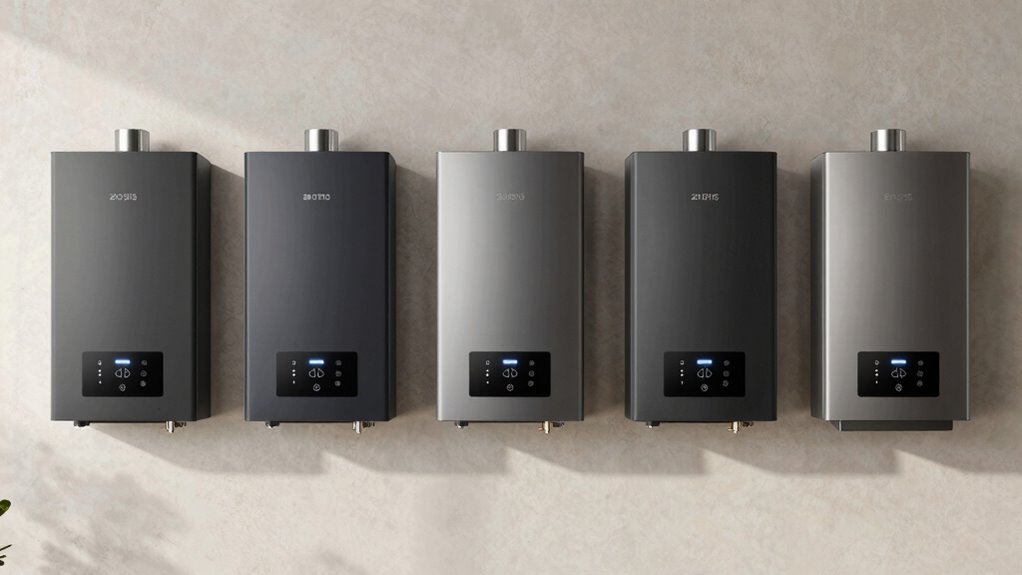

A propane tankless water heater can provide hot water on demand, but the right model depends on flow rate, climate, installation location, and whether it serves a home or an outdoor setup. My best overall pick is the Rheem RTG Series 7.0 GPM outdoor model, which stands apart in this lineup for its higher stated flow capacity; the Rinnai V53DeP is another strong candidate for buyers seeking a known residential brand, while the Camplux 5L suits portable camping use. The main tradeoff is between household flow and the simpler, lower-capacity needs of portable heaters, alongside indoor venting requirements and outdoor exposure. Rated GPM alone does not tell you how much hot water a unit can deliver in cold weather. Continue reading for the full comparison, buying guidance, and recommendations by use.

Get garden gear delivered free with Prime
- Fast, free delivery on millions of items
- Prime Video, Amazon Music and more included
- Member-only deals all year
Complete the kit


Key Takeaways
The Rheem RTG Series 7.0 GPM is the lineup’s highest stated flow option, making it the clearest choice to investigate for greater household demand, though actual output depends on incoming water temperature and installation conditions.
Most listed indoor models cluster around 3.6–4.76 GPM, so the choice among them is less about a dramatic capacity gap and more about installation instructions, safety features, controls, and manufacturer support.
Outdoor installation changes the venting equation. Rheem and the outdoor VEVOR model avoid indoor exhaust routing, but buyers must account for weather exposure, freeze protection, and local installation rules.
Portable Camplux models serve a different job from residential units. The 1.32 GPM 5L and 2.64 GPM BW264 are aimed at modest, temporary hot-water use, not simultaneous household fixtures.
Headline flow rates are not directly comparable without context. A rated GPM figure does not guarantee that many gallons of hot water at a comfortable temperature in a cold climate or during multiple simultaneous draws.


| propane water heater tankless | Flow rate | Heat output | Dimensions |
|---|---|---|---|
| Tankless Propane Water Heater | 4.21 GPM | — | 13.8 in W x 21.7 in H |
| VEVOR Tankless Water Heater Pr | 16 liters per minute | — | — |
| Rheem RTG Series 7.0 GPM Liqui | 7 GPM | — | 13.5 in W x 20.75 in H x 9.4 in D |
| Excel Propane LPG Tankless Gas | 1.6 GPM | — | 11.5 x 6 x 16 inches |
| APUS Propane Tankless Water He | 3.6 GPM | — | — |
| 18L Tankless Propane Water Hea | 4.76 GPM | 115,425 BTU | — |
| Ranein Propane Gas Tankless Wa | 3.6 GPM | 80,000 BTU | 13.8 in W × 21.7 in H |
| Rinnai V53DeP Propane Tankless | 5.3 GPM | — | — |
| Camplux 5L Portable Tankless W | 1.32 GPM | 34,000 BTU | 4.33 in W × 20.28 in H |
| VEVOR Tankless Propane Water H | — | 100,000 BTU | — |
| Propane Gas Tankless Water Hea | Up to 4.3 GPM | 100,000 BTU | — |
| Propane Gas Tankless Water Hea | 4.3 GPM | 100,000 BTU | 22.1 x 14.2 x 6.7 in. |
| APUS Propane Tankless Water He | 4.42 GPM | 95,000 BTU | 5.9 in. W x 20.55 in. H x 5.91 in. D |
| Tankless Propane Gas Water Hea | 2.11 GPM | 40,824 BTU/hour | 11.4 in. W x 22 in. H |
| Camplux BW264 Portable Propane | 2.64 GPM | 68,000 BTU/hour | — |
More Details on Our Top Picks
Tankless Propane Water Heater, 4.21 GPM, Indoor, 16L, Constant Hot Water, Multi-Protection Safety Features
I’d put this 16-liter indoor model near the top for buyers who want a useful household flow rate without stepping up to a larger, higher-output unit. Its 4.21 GPM rating is close to the VEVOR 4.3 GPM model, so the choice between them is less about headline flow and more about the supplied details: this heater lists copper and stainless steel construction, while VEVOR specifies carbon steel and gives a 100,000 BTU output. The digital temperature control and flame-failure and anti-freeze protections make this a practical fit for routine home use. Its tradeoff is the usual one for an indoor propane heater: it needs suitable ventilation and a properly planned gas installation. I’d skip it if you need an outdoor unit or want installation simplicity over indoor capacity.
Pros:- 4.21 GPM flow rating suits more than a single low-demand fixture
- Digital display allows precise temperature adjustment
- Flame-failure and anti-freeze protections are listed
- Wall-mounted dimensions help conserve floor space
Cons:- Indoor installation requires appropriate ventilation
- Propane-only operation limits fuel flexibility
- Professional setup may be needed for safe gas and vent connections
Best for: Households seeking an indoor propane heater around 4 GPM, with digital temperature control and listed anti-freeze and flame-failure safeguards.
Not ideal for: Buyers who need an outdoor installation, use a fuel other than propane, or cannot provide proper venting and professional gas connections.
- Capacity:16 liters
- Flow rate:4.21 GPM
- Maximum temperature:149°F
- Fuel:Propane
- Materials:Copper and stainless steel
- Dimensions:13.8 in W x 21.7 in H
- Mount:Wall-mounted
- Features:Digital display; flame-failure and anti-freeze protections
Our verdict“Choose this model for a balanced indoor propane setup with a 4.21 GPM rating and multiple listed safety protections.”
VEVOR Tankless Water Heater Propane, 4.3 Gallon, 100,000 BTU, Indoor Use
The VEVOR’s strongest distinction is its stated 100,000 BTU output paired with smart temperature control rated within ±1°F. That precision is a useful differentiator for households that dislike temperature swings as taps or showers run, and its 4.3 GPM flow rating edges past the 4.21 GPM model in this lineup. It also lists a touch-style LED interface and multiple safety protections. In exchange, buyers must plan for indoor venting, and the unit weighs 19.8 pounds, so mounting and installation deserve attention. The 16-liter model lists copper and stainless steel materials, whereas VEVOR specifies carbon steel; neither detail alone settles durability, but it gives buyers a concrete construction difference to weigh. I’d favor this option for its defined output and temperature-control specification, not for a particularly light or simple installation.
Pros:- 100,000 BTU output is explicitly specified
- Temperature control is rated within ±1°F
- 4.3 GPM flow rating is slightly higher than the 4.21 GPM model
- LED display and multiple safety protections are listed
Cons:- Indoor use requires venting arrangements
- At 19.8 pounds, installation needs a suitable mounting surface
- Carbon steel construction differs from the copper and stainless steel listed for the 16-liter model
Best for: Homeowners who want an indoor propane heater with a stated 100,000 BTU output and tightly specified temperature control.
Not ideal for: Buyers seeking an outdoor heater, a lightweight unit, or an installation that avoids indoor venting work.
- Capacity:4.3 gallons
- BTU output:100,000 BTU
- Flow rate:16 liters per minute
- Maximum temperature:149°F
- Temperature control:Smart control rated within ±1°F
- Voltage:120 volts
- Maximum pressure:116 psi
- Dimensions and weight:13.78 in W x 21.65 in H; 19.8 lb
- Material and mount:Carbon steel; wall-mounted
Our verdict“Pick the VEVOR if close temperature control and a stated 100,000 BTU output matter more than easier handling or outdoor placement.”
Rheem RTG Series 7.0 GPM Liquid Propane Tankless Water Heater Outdoor
For homes where several hot-water uses may overlap, the Rheem’s 7.0 GPM flow rating and 160,000 BTU output place it in a different capacity class from the indoor models here. The 4.21 GPM and VEVOR 4.3 GPM heaters take up less space on paper, but their lower listed flow makes the Rheem the more compelling fit for larger households and multi-bathroom demand. Its outdoor design also avoids adding an indoor venting setup, though it does require a suitable exterior location and professional installation. The tradeoff is substantial: this is a heavier 39.3-pound unit, it needs a 1/2-inch gas line connection, and its maximum temperature is 140°F rather than 149°F on several indoor alternatives. I’d choose it for capacity, not for compact indoor placement.
Pros:- 7.0 GPM flow rating is the highest among these five products
- 160,000 BTU output is suited to higher household demand
- Outdoor placement avoids an indoor venting setup
- Stainless steel construction and listed safety features
Cons:- Outdoor-only installation limits placement options
- 39.3-pound weight and professional installation add setup demands
- Requires a 1/2-inch gas line connection
Best for: Larger households with multiple bathrooms or overlapping hot-water demands and an appropriate outdoor installation location.
Not ideal for: Apartment residents, buyers who need an indoor-mounted unit, or homes without the required gas-line connection and professional installation.
- Flow rate:7 GPM
- BTU output:160,000 BTU
- Fuel:Liquid propane
- Maximum temperature:140°F
- Electrical supply:120 volts AC/DC
- Wattage:132 watts
- Dimensions:13.5 in W x 20.75 in H x 9.4 in D
- Weight and material:39.3 lb; stainless steel
- Installation:Outdoor; wall-mounted; requires 1/2-inch gas line connection
Our verdict“Choose the Rheem for an outdoor whole-house installation where its 7.0 GPM capacity can serve more simultaneous demand than the indoor alternatives.”
Excel Propane LPG Tankless Gas Water Heater Vent Free 1.6 GPM with LED Display
The Excel fills a niche the larger heaters do not: compact, low-flow hot water where a conventional flue setup is not part of the plan. At 1.6 GPM, it is far below the Rheem’s 7.0 GPM and the roughly 4.2–4.3 GPM indoor options, so I’d treat it as a small-scale solution rather than a whole-house replacement. Its 11.5-by-6-by-16-inch size, automatic battery ignition and temperature display suit buyers prioritizing a small footprint and straightforward operation. The vent-free design is a defining feature, but it is not automatically appropriate for every room or location; local rules and the manufacturer’s installation guidance need to be checked. It also requires at least 15 PSI water pressure. I’d skip it if multiple showers or simultaneous household fixtures are the goal.
Pros:- Compact 11.5 x 6 x 16-inch form fits tighter spaces
- Vent-free design does not require a flue
- Automatic ignition runs on two AAA batteries
- Temperature display helps users monitor settings
Cons:- 1.6 GPM flow is limited compared with the 4.21 GPM and 4.3 GPM indoor models
- Needs at least 15 PSI water pressure
- Vent-free installation may not suit every location or local requirement
Best for: Owners of small spaces who need modest hot-water flow and have confirmed that a vent-free propane appliance is permitted for their installation.
Not ideal for: Families seeking whole-house capacity, homes with water pressure below 15 PSI, or buyers whose location does not permit vent-free appliances.
- Flow rate:1.6 GPM
- Vent type:Vent-free
- Dimensions:11.5 x 6 x 16 inches
- Ignition:Automatic; two AAA batteries
- Display:LED/LCD temperature display
- Fuel:Propane LPG
Our verdict“Choose the Excel for a compact, low-demand application only after confirming the vent-free design is suitable for your location.”
APUS Propane Tankless Water Heater, 80,000 BTU, 3.6 GPM Indoor
APUS is the more restrained indoor choice here: its 80,000 BTU output and 3.6 GPM flow are aimed at a smaller home or apartment with a few points of use, rather than the broader demand covered by the Rheem. Compared with the 4.21 GPM 16-liter model and VEVOR’s 4.3 GPM rating, it gives up some listed flow in exchange for a specification set that clearly targets modest household needs. Temperature adjustment spans 95–149°F, while the listed anti-freeze, overheat, flame-failure and dry-combustion safeguards address several operating risks. The 19.29-by-27.59-inch dimensions make it taller and wider than the 16-liter unit, despite its wall-mounted design. Indoor venting and gas connections still call for careful installation, so this is not the pick for a quick, tool-free setup.
Pros:- 3.6 GPM rating is suited to smaller household demand
- 80,000 BTU output is clearly specified
- Temperature range starts at 95°F and reaches 149°F
- Lists anti-freeze, overheat, flame-failure and dry-combustion safeguards
Cons:- Lower flow rating than the 4.21 GPM and 4.3 GPM indoor options
- Larger listed footprint than the 16-liter model
- Indoor venting and gas connections may require professional installation
Best for: Residents of small homes or apartments who need an indoor propane heater rated for roughly two to three points of use.
Not ideal for: Large households with frequent simultaneous demand, buyers who need outdoor placement, or anyone without a suitable venting and gas-installation plan.
- BTU output:80,000 BTU
- Flow rate:3.6 GPM
- Temperature range:95–149°F
- Maximum temperature:140°F
- Fuel:Liquid propane
- Electrical supply:120 volts; 35 watts
- Dimensions and weight:19.29 in W x 27.59 in H x 5.91 in D; 19.2 lb
- Mount and color:Wall-mounted; space gray
- Safety features:Anti-freeze, overheat, flame-failure and dry-combustion safeguards
Our verdict“Choose APUS for a smaller indoor household that can trade some flow capacity for an 80,000 BTU propane unit with several listed safeguards.”
18L Tankless Propane Water Heater with Digital Display, 4.76 GPM, 115,425 BTU
Among portable propane options, this model stands out for pairing a 4.76 GPM flow rate with 115,425 BTU, giving outdoor showers and cleanup more headroom than the Camplux 5L, which is rated at 1.32 GPM. Its digital display and adjustable temperature make it easier to monitor output while moving between camp, RV, or outdoor bathing setups. The listed protections cover overheating, flame failure, low-flow ignition, and pressure relief, which adds useful safeguards for portable use. The tradeoff is that the stated temperature range tops out at 113°F, and the data does not specify how finely the controls adjust temperature. It also needs a propane source and suitable ventilation, so it is not a plug-and-play indoor household replacement.
Pros:- 4.76 GPM rating supports more substantial outdoor shower and cleaning use than the Camplux 5L
- 115,425 BTU output provides strong heating capacity for a portable unit
- Digital display and adjustable temperature help monitor hot-water output
- Multiple protections include flame-failure cutoff and pressure relief
Cons:- Maximum listed temperature is 113°F, which may not suit users who prefer hotter output
- Control precision is not specified, limiting confidence in fine temperature adjustment
- Requires propane and proper ventilation at the installation site
Best for: Campers and RV owners who want higher-flow outdoor showers or cleaning water from a portable propane unit.
Not ideal for: Buyers seeking a permanent indoor heater, precise documented temperature adjustments, or a unit that works without propane and ventilation.
- Capacity:18L
- Flow rate:4.76 GPM
- Heat output:115,425 BTU
- Temperature range:17°F to 113°F
- Fuel:Propane
- Display:Digital display
- Safety protections:Overheat, dry-combustion prevention, antifreeze, low-flow ignition lockout, flame-failure cutoff, and high-water-pressure relief
Our verdict“Choose this portable model if outdoor hot-water flow matters more than a documented fine-control range or indoor installation.”
Ranein Propane Gas Tankless Water Heater, 3.6 GPM, 80,000 BTU, Indoor
The Ranein is the indoor-focused choice for buyers who need a wall-mounted propane heater without stepping up to the larger flow claims of the Rinnai V53DeP outdoor unit. Its 3.6 GPM output is listed to support two to three water points, while a 95°F–149°F range gives households a broader temperature window than the portable 18L model. The oxygen-free copper heat exchanger, dual heating chambers, child lock, and antifreeze protection add household-oriented features; the included vent pipe and assembly kit may also simplify sourcing parts. The limits are meaningful: installation calls for licensed professionals, operation is not suited to elevations above 2,000 feet, and below 23°F or during long periods of disuse it may need manual draining. Its flow rating is more modest than the Rinnai’s 5.3 GPM.
Pros:- 3.6 GPM rating is specified for two to three water points
- 95°F–149°F temperature range allows hotter settings than the portable 18L model
- Child lock, dual heating chambers, copper heat exchanger, and antifreeze protection
- Vent pipe and assembly kit are listed as included components
Cons:- Professional installation is required
- Not suitable for elevations above 2,000 feet
- Manual draining may be needed below 23°F or after extended disuse
Best for: Small households that want a wall-mounted indoor propane heater for a few simultaneous water points and can arrange professional installation.
Not ideal for: Homes above 2,000 feet, buyers needing higher simultaneous flow, or owners unwilling to drain the unit during cold weather or extended shutdowns.
- Flow rate:3.6 GPM
- Heat output:80,000 BTU
- Temperature range:95°F–149°F
- Power source:Propane gas
- Voltage:120V
- Maximum pressure:150 psi
- Dimensions:13.8 in W × 21.7 in H
- Weight:18 lb
- Mount and protection:Wall mount; antifreeze protection, child lock, and dual heating chamber
Our verdict“Pick the Ranein for a compact indoor setup with moderate demand, provided your elevation and winter-maintenance needs fit its limits.”
Rinnai V53DeP Propane Tankless Water Heater
The Rinnai V53DeP earns its place as the household-oriented outdoor pick, with a listed 5.3 GPM flow rate that exceeds the indoor Ranein’s 3.6 GPM and is intended for continuous hot-water demand. Its outdoor installation keeps the heater out of interior space and avoids the indoor venting setup required by models such as the Ranein. The warranty terms—10 years on the heat exchanger, five on labor, and one on parts—are a useful differentiator, though registration within 90 days is required for the stated limited warranty. Compared with the portable 18L heater, this is a fixed-use option rather than gear for trips. Buyers also need a suitable outdoor location and professional installation; exposure to weather remains a practical concern.
Pros:- 5.3 GPM flow rating is higher than the Ranein’s 3.6 GPM
- Outdoor installation saves interior space
- On-demand operation is designed for continuous hot water
- Warranty lists 10 years for the heat exchanger and five years for labor
Cons:- Professional installation is recommended
- Outdoor placement can expose the unit to weather conditions
- Warranty registration within 90 days is required for the stated limited coverage
Best for: Households seeking a fixed outdoor propane heater with a higher listed flow rate and a long heat-exchanger warranty.
Not ideal for: Campers, renters, or homeowners without a suitable outdoor mounting location or access to professional installation.
- Flow rate:5.3 GPM
- Fuel type:Propane
- Installation:Outdoor
- Heat-exchanger warranty:10 years
- Labor warranty:5 years
- Parts warranty:1 year
Our verdict“Choose the V53DeP for a fixed outdoor household installation when its 5.3 GPM capacity and warranty terms fit your setup.”
Camplux 5L Portable Tankless Water Heater, 1.32 GPM Outdoor Propane Shower for Camping, RV, Off-Grid, Instant Hot Water
Where the 18L portable model prioritizes higher flow, the Camplux 5L favors a 10-pound portable format for simple outdoor hot-water tasks. Its 1.32 GPM rating is suited to a modest shower or washing gear, not the multiple-point household use claimed by the Ranein indoor heater or the stronger outdoor flow of the Rinnai V53DeP. Battery power means it does not need household electricity, making it useful for campsites and off-grid locations, but the batteries remain another item to maintain. The 5-liter capacity and minimum operating pressure of 3 PSI narrow where it will work well: low-flow water sources may not trigger it, and users who expect a strong, sustained shower should choose a higher-flow option.
Pros:- 10-pound weight makes it easier to transport than fixed household models
- Battery-powered operation suits locations without household electricity
- 1.32 GPM output can cover modest outdoor shower and cleaning needs
- Maximum listed temperature is 114°F
Cons:- 1.32 GPM flow is far below the 4.76 GPM portable 18L model
- Requires at least 3 PSI water pressure to operate
- Battery dependence adds a maintenance and power requirement
Best for: Campers and off-grid users who need a lightweight propane heater for a modest outdoor shower or washing tasks.
Not ideal for: Families needing multiple hot-water outlets, a strong-flow shower, or reliable operation from a very low-pressure water source.
- Capacity:5 liters
- Flow rate:1.32 GPM
- Heat output:34,000 BTU
- Maximum temperature:114°F
- Maximum pressure:110 psi
- Power:Battery powered; 3 volts
- Dimensions:4.33 in W × 20.28 in H
- Weight:10 lb
Our verdict“Choose the Camplux 5L for lightweight, low-demand outdoor hot water, not for high-flow showers or household use.”
VEVOR Tankless Propane Water Heater, 5.3 Gallon, 100,000 BTU, Outdoor Use
This VEVOR stands out for an outdoor setup with a wired control panel and listed 100,000 BTU output, giving buyers a direct way to manage temperature without bringing the heater indoors. Its outdoor-only design contrasts with the Ranein, which is built for wall-mounted indoor use and specifies a 3.6 GPM flow rate. The VEVOR’s data does not list a flow rate, so I would not rank it ahead of the Rinnai V53DeP when comparing documented delivery capacity; the stated 5.3-gallon capacity should not be treated as a GPM rating. Multiple safety protections and standard 3/4-inch NPT connections are useful installation details, but the product information does not identify the specific protections or provide temperature limits. Buyers should also plan for propane and appropriate outdoor installation conditions.
Pros:- 100,000 BTU output is specified
- Wired control panel provides a dedicated control method
- Standard 3/4-inch NPT connector is specified
- Outdoor installation avoids taking up indoor wall space
Cons:- No flow rate is provided, making delivery capacity hard to compare with the Rinnai V53DeP
- Outdoor-only installation rules it out for indoor setups
- Specific safety protections and temperature range are not detailed in the supplied product data
Best for: Buyers setting up an outdoor propane heater who want a wired control panel and a standard 3/4-inch NPT connection.
Not ideal for: Shoppers who need a documented flow rate, an indoor unit, or detailed published temperature and safety-protection specifications.
- Listed capacity:5.3 gallons
- Heat output:100,000 BTU
- Power source:Propane
- Control type:Wired control panel
- Installation:Outdoor
- Connector:3/4-inch NPT
Our verdict“Consider this VEVOR for an outdoor installation with wired controls, but choose a model with a published flow rate if capacity comparison is a priority.”
Propane Gas Tankless Water Heater Up to 4.3 GPM 100,000 BTU, Indoor
For a household seeking a mid-capacity indoor propane water heater, this model pairs a stated 4.3 GPM flow rate with 100,000 BTU output and a 95°F–149°F setting range. That combination makes it a more versatile home option than the portable Camplux BW264, whose lower 2.64 GPM output suits outdoor chores rather than several household fixtures. The wall-mounted format also saves floor space, while a digital thermostat and protections for gas leaks and overheating add useful control and safeguards. Its limits matter: the listed flow rate does not guarantee simultaneous hot water at every fixture, and cold inlet water can reduce usable flow. Professional installation is recommended, it is intended for indoor use, and the one-year warranty is relatively short. The altitude recommendation below 2,000 feet also rules it out for some homes.
Pros:- 4.3 GPM and 100,000 BTU suit moderate household demand.
- Digital temperature control spans 95°F to 149°F.
- Wall-mounted design frees floor space.
- Gas-leak and overheating protections are listed.
Cons:- Professional installation is recommended.
- Indoor use only and recommended below 2,000 feet.
- One-year warranty is limited.
Best for: Households below 2,000 feet that want a wall-mounted indoor unit for moderate, multi-fixture hot-water demand.
Not ideal for: High-altitude households, buyers needing outdoor or portable hot water, and homeowners seeking a longer stated warranty.
- Flow rate:Up to 4.3 GPM
- Heat output:100,000 BTU
- Temperature range:95°F–149°F
- Gas pressure:11.24 in. w.c. (2.8 kPa)
- Water connections:NPT 1/2 in. inlet/outlet
- Power supply:110–120V AC, 60Hz
- Water pressure range:1.5–116 psi
- Installation:Wall-mounted; professional installation recommended
- Warranty:1 year
Our verdict“Choose this for a moderate-demand home needing an indoor, wall-mounted propane unit, but skip it if altitude limits or the short warranty are deal-breakers.”
Propane Gas Tankless Water Heater, Indoor, 4.3 GPM, 100,000 BTU, LED Temperature Control, Gray
This indoor unit has the same headline 4.3 GPM and 100,000 BTU figures as the previous 4.3 GPM model, so its clearest distinction is the listed set of protections: dry burning, overheating, flame-out, CO leakage, water pressure, and anti-freeze. That makes it a sensible pick for buyers who prioritize a broad safety feature list in a compact installation; the 22.1 x 14.2 x 6.7-inch dimensions help show what wall space it needs. Compared with the APUS 95,000 BTU model, it offers slightly higher stated output, while APUS lists a 4.42 GPM flow rate and ±1°F temperature control. The tradeoff is that this unit’s description gives less detail about precision, and professional plumbing installation is required. It is gray only and, like several indoor picks here, is not recommended above 2,000 feet.
Pros:- Protection list includes dry burning, flame-out, CO leakage, and anti-freeze.
- 4.3 GPM flow and 100,000 BTU output fit moderate household use.
- Dimensions are provided for wall-space planning.
- Adjustable temperature range runs from 95°F to 149°F.
Cons:- Licensed professional installation is required.
- Not suitable for elevations above 2,000 feet.
- Available color is limited to gray.
Best for: Homeowners below 2,000 feet who want a compact indoor heater and place particular value on a broad list of built-in protections.
Not ideal for: DIY installers, households above the stated altitude limit, or buyers seeking multiple finish options or clearly specified temperature precision.
- Flow rate:4.3 GPM
- Heat output:100,000 BTU
- Temperature range:95°F–149°F
- Connector size:1/2 in. NPT
- Dimensions:22.1 x 14.2 x 6.7 in.
- Voltage:120V AC
- Protection features:Dry burning, overheating, flame-out, CO leakage, water pressure, anti-freeze
- Installation:Indoor; licensed plumber required
Our verdict“Pick this indoor model if its extensive listed safety protections matter more to you than color choice or a stated precision-control specification.”
APUS Propane Tankless Water Heater, 95,000 BTU, 4.42 GPM, Indoor
The APUS stands out among these indoor options for its claimed ±1°F temperature control and listed 4.42 GPM flow rate. That flow figure is slightly higher than the 4.3 GPM ratings on both 100,000 BTU models, though the APUS has lower stated heat output at 95,000 BTU. Buyers should not treat the small flow difference as a promise of more simultaneous hot water in every home; incoming water temperature and demand affect actual performance. Its 35-watt draw and 19.2-pound weight give buyers useful planning details, and anti-freezing, low-flow, and overheat protections are listed. Compared with the gray 4.3 GPM model, APUS offers more explicit temperature precision but fewer named protection types. It is indoor-only, needs proper drainage for freeze protection in cold conditions, and may still call for professional setup.
Pros:- Claimed temperature control accuracy of ±1°F.
- Listed 4.42 GPM flow rate.
- Compact 5.9-inch width and 19.2-pound weight aid space planning.
- Anti-freezing, low-flow, and overheat protections are listed.
Cons:- 95,000 BTU output is below the 100,000 BTU indoor alternatives.
- Freeze protection requires proper drainage in cold climates.
- Indoor use only; setup may require a professional.
Best for: Indoor buyers who value close temperature adjustment and want a compact wall-mounted unit with specified dimensions and weight.
Not ideal for: People needing an outdoor heater, households in freezing conditions without a drainage plan, or buyers who prioritize the highest listed BTU output.
- Fuel:Liquid propane
- Flow rate:4.42 GPM
- Heat output:95,000 BTU
- Maximum temperature:140°F
- Temperature control:Claimed ±1°F
- Power:35 watts, 120 volts
- Dimensions:5.9 in. W x 20.55 in. H x 5.91 in. D
- Weight:19.2 lb
- Special features:Anti-freezing, low-water-flow, and overheat protection
Our verdict“Choose APUS if precise temperature control is your priority, and favor a 100,000 BTU alternative if maximum stated heat output matters more.”
Tankless Propane Gas Water Heater 8L 2.11 GPM
This compact 8-liter heater is aimed at a different job from the indoor household units: it offers 2.11 GPM and 40,824 BTU for outdoor tasks such as camping, RV use, or washing pets. Its lower output makes it a poor stand-in for the 4.3 GPM indoor models, but a more relevant comparison is the Camplux BW264, which provides 2.64 GPM and 68,000 BTU. The Camplux has more listed capacity for heavier use; this unit’s appeal is a simpler, lower-output option with protections for low flow, overheating, flame faults, and high water pressure. Maximum temperature is listed at 113°F, which may limit use when hotter water is needed. It must operate outdoors or in a well-ventilated area, and its 11.4 x 22-inch dimensions mean portable does not mean pocket-sized.
Pros:- Portable format suits camping, RV, and outdoor washing tasks.
- Low-flow, flame-fault, overheat, and high-pressure protections are listed.
- Digital display supports basic temperature monitoring.
- 40,824 BTU output is suited to modest point-of-use demand.
Cons:- 2.11 GPM is well below the indoor household models and the Camplux BW264.
- Maximum temperature is listed at 113°F.
- Requires outdoor or well-ventilated operation.
Best for: Campers, RV owners, and pet owners needing modest hot-water flow for outdoor washing or similar tasks.
Not ideal for: Families seeking whole-home hot water, buyers needing temperatures above 113°F, or anyone without safe outdoor or well-ventilated placement.
- Capacity:8 liters
- Flow rate:2.11 GPM
- Heat output:40,824 BTU/hour
- Maximum temperature:113°F
- Dimensions:11.4 in. W x 22 in. H
- Power source:Gas-powered propane
- Safety features:Overheat, dry-combustion, anti-freeze, low-flow, flame-fault, and high-water-pressure protection
- Intended setting:Outdoor or well-ventilated areas
Our verdict“Choose this for modest outdoor hot-water needs, but opt for the higher-flow Camplux BW264 for more demanding portable use.”
Camplux BW264 Portable Propane Tankless Water Heater, 2.64 GPM, 68,000 BTU
Among the portable choices in this batch, the Camplux BW264 offers the stronger stated output: 2.64 GPM and 68,000 BTU, compared with the 8L portable model’s 2.11 GPM and 40,824 BTU. That gives it more headroom for outdoor washing and camping setups, though neither portable unit matches the 4.3 GPM indoor heaters for household demand. At 23 pounds, it is portable but not especially light to carry over long distances. Digital controls, anti-freezing protection, and automatic shutoff for overheating and flame failure add practical safeguards; CSA certification is also listed. The product information says installation can take 15 minutes, but propane connections still need careful attention, and its connection guidance warns against Teflon tape on certain fittings. This is an outdoor-use choice, not a substitute for an indoor whole-home installation.
Pros:- 2.64 GPM and 68,000 BTU exceed the 8L portable model’s listed output.
- Digital display controls temperature management.
- Anti-freezing and automatic overheat and flame-failure shutoffs are listed.
- CSA certification is specified.
Cons:- At 23 pounds, it may feel heavy for frequent long-distance carrying.
- Careful installation is needed to reduce gas-leak risk.
- Connection instructions warn against Teflon tape on certain fittings.
Best for: Campers and outdoor users who want more stated flow and heat output than the 8L portable heater provides.
Not ideal for: Households needing whole-home hot water, buyers who need very light gear, or users uncomfortable following specific propane connection instructions.
- Model:BW264
- Fuel type:Propane
- Flow rate:2.64 GPM
- Heat output:68,000 BTU/hour
- Weight:23 lb
- Pressure range:3.6–110 PSI
- Maximum temperature protection:176°F
- Safety:CSA certified; anti-freezing and automatic overheat and flame-failure shutoff
- Installation time:Listed as 15 minutes
Our verdict“Pick the BW264 for portable use when you want more flow than the 8L model, but choose an indoor 4.3 GPM unit for household demand.”

How We Picked
I compared the 15 listed heaters by the details available in their names and specifications: stated flow rate and BTU input, indoor or outdoor installation, and intended use. I gave more weight to options with a clearly stated household-oriented capacity and a defined installation type, while separating portable camping heaters from whole-home candidates rather than treating them as direct substitutes. Brand identity and product positioning helped distinguish established residential options from compact or less fully specified models, but a name alone cannot confirm warranty terms, certification, or service availability.
The order reflects fit for the widest range of propane tankless buyers, then specialization. The higher-capacity Rheem leads on stated flow; Rinnai is a residential-brand alternative, while the indoor units around 3.6–4.76 GPM compete as midrange household candidates. Portable Camplux products and the small 1.6–2.11 GPM units rank for narrower uses, not because they are inherently poor choices. Before purchase, I would verify the installation manual, fuel and gas-pressure requirements, venting or outdoor clearances, freeze protection, local code acceptance, and warranty support for the exact model.
Factors to Consider When Choosing Propane Water Heater Tankless
Choosing a propane tankless heater starts with matching the unit to your household’s real hot-water demand—not simply picking the largest GPM printed in a listing. I would check the installation conditions and expected incoming-water temperature before comparing similar capacity figures. These factors help prevent a mismatch between a heater’s advertised role and the way you plan to use it.
Match Flow Rate to Simultaneous Hot-Water Use
List the fixtures you may run at the same time, such as a shower and kitchen sink, then estimate their combined flow rather than adding up every fixture in the house. A heater sized for one shower may struggle when another draw starts, especially when winter water enters the system cold. Manufacturers may state flow at a particular temperature rise, so compare that condition—not only the headline GPM—across models. A larger rated flow can offer more headroom, but it does not make every fixture combination possible in every climate. If demand is variable, a plumber can help size the unit using local groundwater temperature and measured fixture flow. Avoid buying solely on BTU input: it describes burner capacity, not the hot-water result your household will experience.
Choose Indoor or Outdoor Installation Before Comparing Models
Indoor heaters need an approved exhaust path and appropriate combustion-air arrangements; vent components and routing can shape the total project as much as the heater itself. Outdoor models avoid an indoor vent run, but they need the clearances specified by the manufacturer and protection from weather. In freezing conditions, exposed plumbing and the heater’s freeze-protection limits deserve special attention, since power loss or unusually low temperatures may defeat built-in safeguards. Local codes may also restrict locations near windows, doors, walkways, or air intakes. Do not assume an outdoor unit is automatically easier to install or suitable for every climate. Confirm site requirements in the exact manual before choosing a model.
Check Propane Supply, Gas Pressure, and Existing Infrastructure
A tankless heater can call for a substantial burst of gas when its burner fires, so the existing propane line and regulator must be checked against the selected unit’s input rating. A line that served a smaller appliance may not deliver enough gas under peak demand, even if the propane tank still contains fuel. Ask a qualified installer to verify pipe sizing, regulator capacity, appliance connections, and any required upgrades. This check is especially useful when replacing an older tank heater, since its gas setup may not suit a higher-input tankless model. Confirm whether the heater is configured for propane rather than natural gas; fuel types and conversion procedures are not interchangeable assumptions. Budget planning should include these infrastructure needs, not just the appliance.
Treat Portable Heaters as a Separate Category
Portable units are designed for limited, temporary hot-water jobs such as an outdoor rinse, campsite shower, or simple off-grid setup. Their compact size and lower flow can make them easier to transport, but they are not a substitute for a household heater serving several fixtures. Check how the unit mounts, what water-pump pressure it needs, how it connects to a propane cylinder, and whether the operating location meets its ventilation and safety instructions. A portable heater may also require a stable water source and drainage plan that a home installation already provides. Do not use a portable model indoors unless its instructions and applicable rules explicitly allow that placement. Choose it for mobility and modest demand, not as a low-cost shortcut to whole-home capacity.
Compare Maintenance, Controls, and Service Support
Hard water can cause mineral buildup in a tankless heat exchanger, so ask how the manufacturer specifies flushing and what service access the installation will allow. A display or temperature control can make adjustments easier, but it does not replace a clear manual, accessible parts, or qualified service. Check the warranty conditions, authorized service coverage, and availability of replacement components before committing, particularly for a less familiar brand. Also review the safety protections and required maintenance rather than relying on broad listing claims. A unit with a slightly lower stated capacity may be a better fit if its documentation and service network are easier to work with. Include recurring maintenance and installer familiarity in the ownership decision.
Know When Higher Capacity or a Premium Brand Is Worth It
Paying for more capacity makes sense when your measured peak demand, cold incoming water, or household size calls for it—not merely because a larger number sounds safer. A recognized residential brand may appeal to buyers who prioritize established service channels and documentation, but verify the specific model’s warranty, certification, and local support rather than relying on the brand name alone. For a cabin used occasionally, simpler demand and installation constraints may matter more than maximum throughput. For a busy home, the cost and complexity of proper gas supply, venting, and installation can outweigh small differences in the unit’s advertised output. Compare complete installed requirements and intended use. The right purchase is the one sized for the site and demand, not automatically the highest-capacity option.
Frequently Asked Questions
Can a 4.3 GPM propane tankless heater run two showers at once?
It may, but the GPM label alone cannot confirm that it will. The available hot-water flow changes with the temperature rise the heater must provide, so cold incoming water can reduce usable flow. Showerheads also vary in demand, and another fixture can push the combined draw beyond the heater’s capacity. Check the product’s performance chart at your expected incoming-water temperature and desired outlet temperature. If simultaneous showers are a regular need, have an installer size the system against your actual fixtures and climate.
Should I choose an indoor or outdoor propane tankless heater?
Choose based on the building layout, climate, and allowed installation locations rather than convenience alone. An indoor unit needs a code-compliant exhaust and combustion-air plan, while an outdoor model needs suitable clearances and protection for the unit and connected plumbing. Outdoor installation can be a poor fit where freezing weather is common or the manufacturer’s freeze-protection limits do not match the site. Indoor venting can add materials and labor, particularly if the heater is far from an exterior wall or roof route. Compare the installation manual and consult a qualified installer before settling on either type.
Can I replace my propane tank water heater with a tankless model without changing the gas line?
Not necessarily. Tankless burners can require a high gas flow while operating, and an existing line sized for a storage heater may not meet that demand. The regulator, pipe diameter, line length, and other appliances sharing the supply all affect whether the system can deliver the required pressure. Have a qualified gas professional check the specific heater’s input requirements against the existing setup. Confirm any needed upgrades before buying, since they can change the project’s scope.
Is a portable propane tankless heater suitable for a small cabin or RV?
It can suit a limited-use setup if the model is approved for the location and its water and propane connections match the equipment available. Portable heaters generally serve one modest draw, such as an outdoor shower, rather than several household fixtures. Check whether the unit needs a pressurized water source or pump, how it must be ventilated, and how water will drain in cold conditions. RV installation also calls for careful attention to appliance clearances, secure mounting, and applicable safety rules. For regular indoor hot water, compare purpose-built residential models instead of assuming a portable unit can fill the same role.
What should I verify before ordering a propane tankless water heater online?
Confirm the exact fuel type, installation location, required venting or outdoor clearances, and the heater’s performance at your expected temperature rise. Read the manual to check gas pressure, electrical needs, water pressure limits, freeze protection, and maintenance requirements. Verify that the model is accepted by local codes and that qualified installers and service support are available in your area. Check warranty conditions and what documentation or installation steps they require. These checks help identify a site or support mismatch before delivery, when changing plans is simpler.
Conclusion
For buyers comparing these 15 options, my best overall recommendation is the Rheem RTG Series 7.0 GPM when its outdoor installation suits the property and higher stated flow is useful. The best value direction is the VEVOR 100,000 BTU indoor model for shoppers seeking a stated 4.3 GPM household-style option, provided its installation requirements, documentation, and service support check out. For a best premium-leaning residential choice, consider the Rinnai V53DeP, but verify its specific capacity and local support before deciding. Beginners may prefer a clearly documented indoor model with accessible installation guidance and a qualified installer lined up, rather than choosing by GPM alone. For camping and off-grid showers, the Camplux 5L is the compact portable pick; for more portable flow, compare the BW264 while keeping its use distinct from whole-home service. Match capacity to cold-weather demand, check fuel and installation needs, and the shortlist becomes much easier to choose from.
Columbus Day / Indigenous Peoples' Day Picks
long weekend sales
As an affiliate, we earn on qualifying purchases.