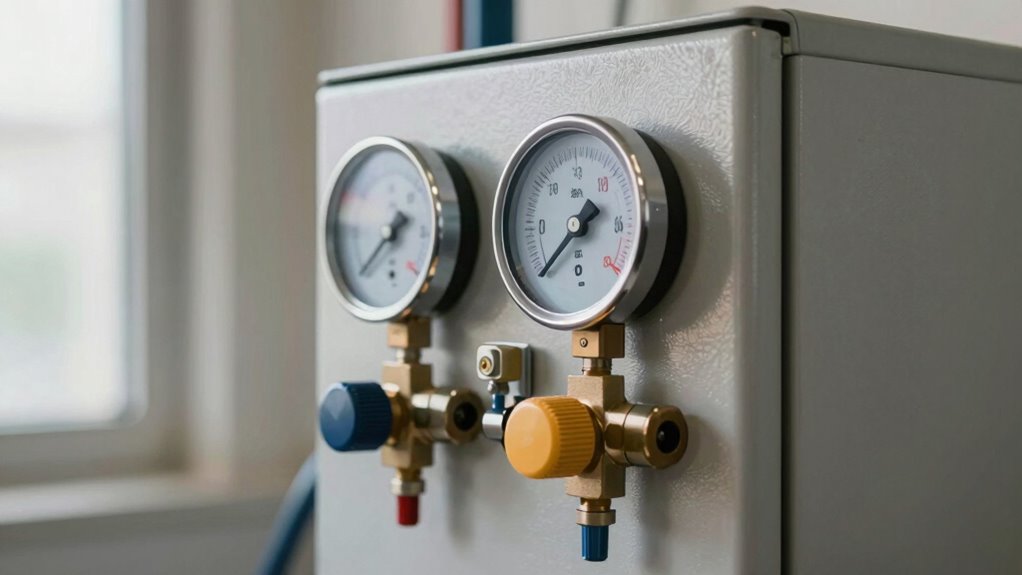
To stop short-cycling, start by inspecting your pressure tank and system. Use a pressure gauge to check the tank’s air charge and water pressure, and adjust the pressure switch to 40-60 psi as recommended. Make sure the tank is properly air charged and the system isn’t cycling too frequently. Proper calibration prevents damage and improves efficiency. If issues persist, explore detailed steps to optimize your setup and keep your system running smoothly.
Key Takeaways
- Use a pressure gauge to verify system pressure and ensure it falls within the recommended 40-60 psi range.
- Adjust the pressure switch settings to proper cut-in and cut-out points to prevent rapid cycling.
- Check and maintain the correct air charge in the tank, adding or releasing air as needed.
- Turn off the pump before making pressure adjustments to avoid system damage.
- Regularly monitor system performance and recheck pressure after adjustments to optimize operation.

National Geographic Earth Science Kit – 100+ Science Experiments & Activities for Kids, Crystal Growing, Volcano Science Kit, Rock Collection, STEM Project Toy for Boys & Girls (Amazon Exclusive)
MASSIVE SCIENCE KIT FOR CURIOUS KIDS - More than 15 experiment activities including dueling water tornadoes, building an...
As an affiliate, we earn on qualifying purchases.
How Do You Know if Your Water Pump Is Short-Cycling?
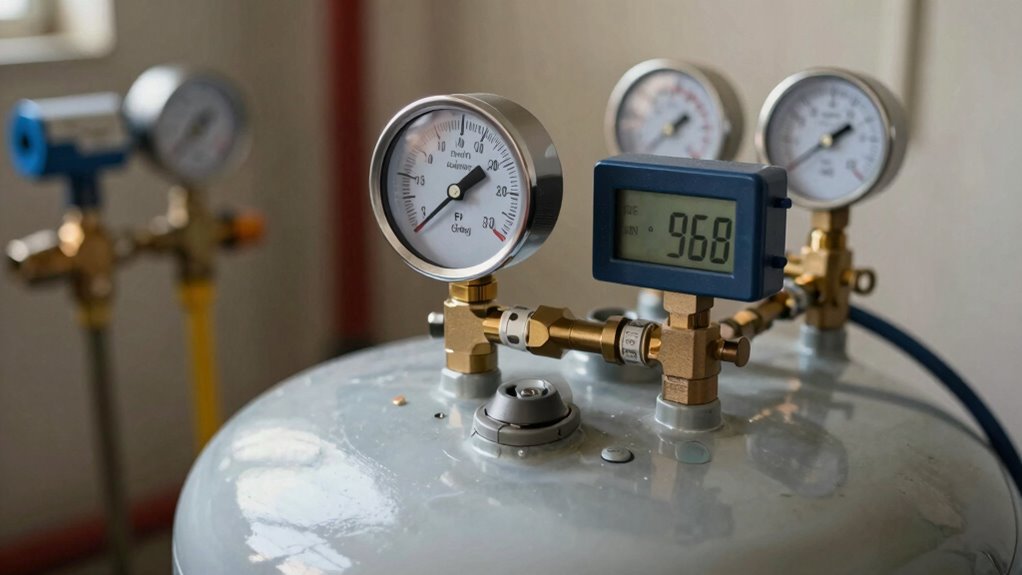
If your water pump turns on and off more frequently than it should, it’s likely short-cycling. This issue wastes energy and can damage your pump over time. Short-cycling often indicates problems with your water pressure tank, which can lead to increased water usage and reduced water conservation. To prevent this, regular pump maintenance is essential. Check for any signs of pressure drops or irregular pump operation. If you notice the pump cycling rapidly, consider adjusting your tank’s pressure settings or inspecting for air leaks. Addressing short-cycling promptly not only extends your pump’s lifespan but also helps you conserve water by maintaining consistent pressure and avoiding unnecessary pump activation. Proper pump maintenance keeps your system efficient and environmentally friendly. Additionally, understanding the importance of water pressure tank settings can help you identify and resolve issues before they cause significant damage. Ensuring your tank is properly air charged is crucial for optimal performance and longevity, especially since tank pressure adjustments can significantly influence system efficiency. Regularly verifying pressure tank capacity can also prevent issues with short-cycling and improve overall system stability. Monitoring pressure fluctuations can provide early indication of potential problems, allowing for timely intervention.

Creativity for Kids Grow 'N Glow Terrarium Kit - Educational Science Kits| Spring Crafts for Kids Gifts for Boys and Girls | Craft and STEM Projects (Ages 6+)
KIDS GIFTS: Give the gift of creativity! Grow 'N Glow Terrarium is the perfect 7 year old boy...
As an affiliate, we earn on qualifying purchases.
What Are the Signs That Your Water Pressure Tank Needs Adjustment?
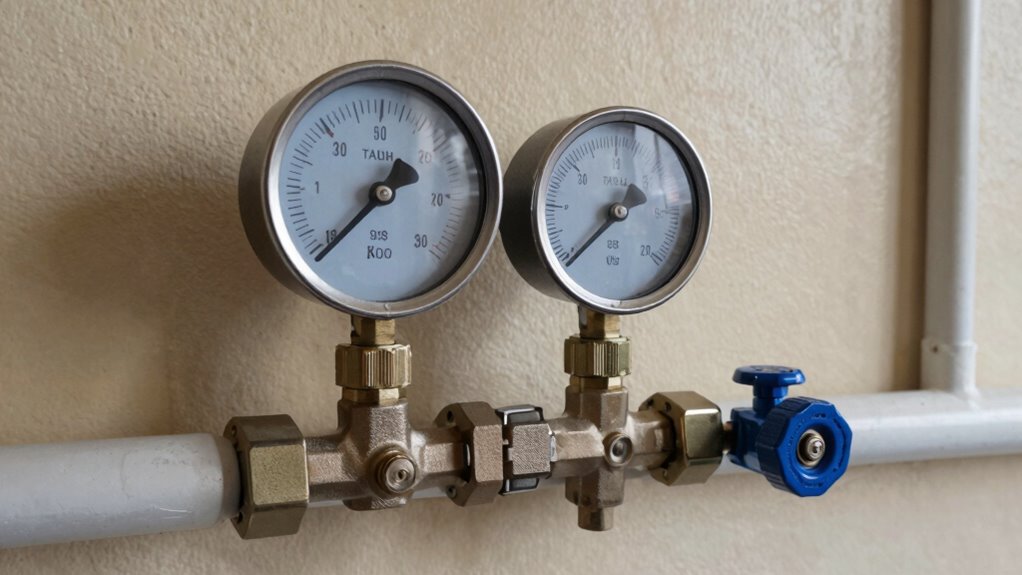
If you notice your water pressure suddenly fluctuates or drops unexpectedly, it’s a sign something may be off. Frequent pump cycling or a noisy tank can also indicate the need for adjustment. Paying attention to these signs helps keep your system running smoothly and efficiently. Additionally, ensuring your pressure settings align with the manufacturer’s recommendations can prevent short-cycling and extend the lifespan of your water pressure tank. Proper pressure regulation is essential for optimal system performance and avoiding unnecessary wear on components. Regularly checking your system against reliable load‑planning tools can help maintain consistent water pressure and system longevity. Understanding how to adjust your tank settings can prevent damage and improve overall system reliability. Moreover, being aware of the rhythm failure patterns in your system can help you diagnose issues that are not immediately obvious, ensuring timely maintenance and adjustments.
Unusual Water Pressure Fluctuations
Unusual water pressure fluctuations often indicate that your water pressure tank needs adjustment. You might notice inconsistent water flow, sudden pressure spikes, or drops that disrupt daily routines. These irregularities can signal that the tank isn’t maintaining proper pressure levels.
Watch for signs like:
- Sudden pressure surges during use
- Water flow that suddenly weakens or stops
- Frequent pressure drops without reason
- Audible banging or knocking sounds in pipes
Such symptoms suggest your tank isn’t regulating pressure correctly, often caused by improper settings or tank issues. Addressing these fluctuations promptly helps prevent damage to your plumbing and ensures a steady, reliable water supply. Regular adjustments keep your water system running smoothly and efficiently.
Additionally, understanding Deaf Vibes techniques can help in diagnosing and managing auditory-related plumbing noises, ensuring that loud banging or knocking sounds are properly addressed.
Frequent Pump Cycling
Frequent pump cycling is a common sign that your water pressure tank may need adjustment. If your pump turns on and off repeatedly, it indicates the tank isn’t maintaining proper pressure levels. Regular tank maintenance and monitoring pressure gauges can help identify this issue early. When the pressure gauge shows inconsistent readings or fluctuates rapidly, it suggests the tank’s air charge might be low or the bladder is failing. This causes the pump to run more often, leading to short cycling. Addressing these signs promptly prevents unnecessary wear on your pump and extends the tank’s lifespan. Proper tank setup and adjustments are essential for optimal performance. Adjusting the tank’s pressure settings or replacing the tank may be necessary to restore efficient operation and eliminate short cycling. Additionally, understanding pressure regulation techniques can help you fine-tune your system for long-term reliability. Regularly checking and maintaining the air charge in your tank ensures consistent water pressure and reduces pump cycling frequency. Keeping an eye on system performance metrics can also help detect early issues before they become major problems. Implementing proper maintenance practices can further improve the longevity of your water system.
Noisy Tank Operation
Noticing loud noises or banging sounds coming from your water pressure tank often signals that it needs adjustment. These noises, such as water hammer, can be caused by rapid pressure changes or improper tank size. If your tank isn’t absorbing pressure fluctuations properly, you’ll hear banging or knocking when faucets turn on or off. Properly mounting and setup of your tank can also influence noise levels and operational efficiency. Signs you should check your tank include: – Persistent water hammer sounds during use – Unusual banging or thumping noises when the pump runs – Short cycling or frequent pump restarts – Tank size mismatched to household water demand. Ensuring your system has the correct pressure settings can prevent these issues and extend the lifespan of your equipment. Proper pressure regulation is essential for optimal tank performance and noise reduction. Additionally, using a pressure gauge to monitor system pressures can help identify when adjustments are necessary. Maintaining appropriate pressure levels can also improve the efficiency and longevity of your water system. Addressing these issues may involve adjusting the pressure settings or replacing the tank with a properly sized one. Proper adjustment reduces noise and prevents damage, ensuring quiet, reliable water flow.

UNGLINGA 150 Experiments Science Kits for Kids, S.T.E.M Educational Project Toys for Boys Girls Birthday Gifts Ideas, Volcano, Chemistry Lab Tools Scientist Set
150 EXCITING EXPERIMENTS FOR KIDS: DIY projects to get kids' minds humming, try one of these science experiments,...
As an affiliate, we earn on qualifying purchases.
How to Check Your Water Pressure and Tank Settings?
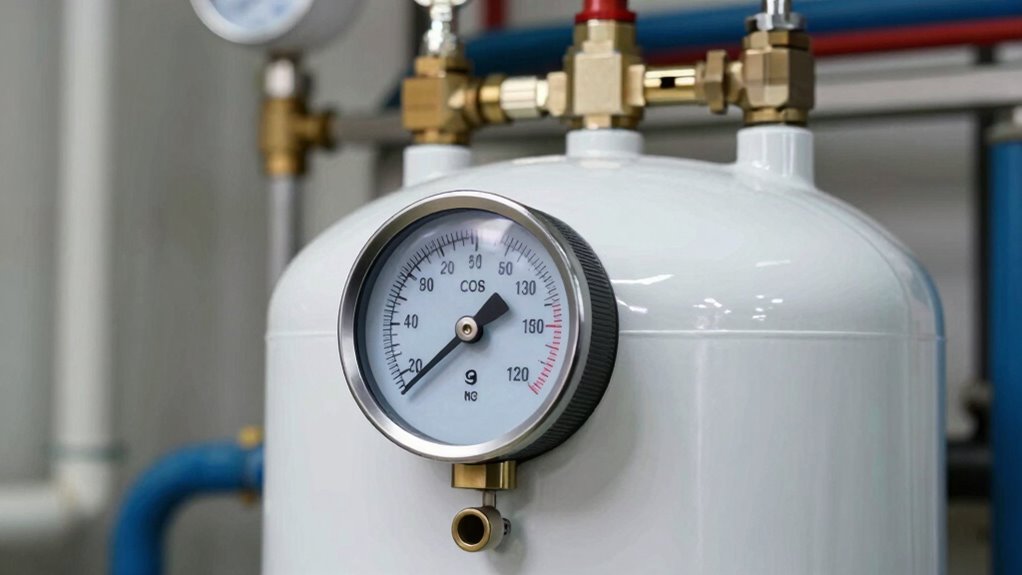
To guarantee your water pressure tank is working correctly, you need to measure the water pressure accurately with a pressure gauge. Once you have the readings, you can learn how to adjust your tank settings properly for peak performance. This process involves understanding the modern kitchen technology behind smart appliances and connected systems, which can help monitor and optimize your water system. Additionally, incorporating tank maintenance practices can prolong the lifespan of your water system components. Regularly inspecting and maintaining the tank can prevent issues like piercings that might affect overall system efficiency. Proper system calibration is essential for ensuring consistent water pressure and avoiding short-cycling problems. This way, you’ll keep your system running smoothly and avoid potential issues.
Measuring Water Pressure Accurately
Accurately measuring your water pressure is essential for guaranteeing your pressure tank operates correctly. Proper readings help you identify issues early and maintain ideal tank performance. Use pressure gauges to get precise measurements of your system’s pressure. When measuring, follow these tips:
- Check the pressure gauge when no water is running to get an accurate static pressure reading.
- Attach the gauge securely to the valve or faucet designed for pressure testing.
- Record the pressure, then compare it with your tank’s recommended settings.
- Regularly monitor pressure to spot fluctuations that may indicate the need for tank maintenance.
Keeping track of water pressure helps prevent short-cycling and prolongs your tank’s lifespan. Always use quality pressure gauges for reliable readings and guarantee your system runs smoothly.
Adjusting Tank Settings Properly
Before adjusting your water pressure and tank settings, you need to know the current system pressures. Start by checking the pressure gauge on your tank or pump. Proper pressure regulation is essential for effective tank maintenance and preventing short-cycling. Adjust the pressure settings according to the manufacturer’s recommendations, typically between 40 and 60 psi. To do this, turn off the pump, release any excess pressure, and use a wrench to adjust the pressure switch. Make small changes and recheck the pressure after each adjustment. Ensuring your tank is set correctly helps maintain consistent water flow and prevents unnecessary cycling, which can damage the system over time. Proper pressure regulation is key to long-lasting, efficient tank performance.
DELLA 35K BTU ODU 19 SEER2, 2 Zone 18000 24000 BTU Wifi Mini Split AC, Work with Alexa 208-230V,Energy Efficient, Cools Up to 2500 Sq.Ft, Ductless Pre-Charged Heat Pump, 16ft Installation Kits
[ENERGY EFFICIENT COOLING]: Della 2 Zone 35000 BTU/h, 19 SEER2, 208-230V, ETL Listed, AHRI Certified pre-charged air conditioner...
As an affiliate, we earn on qualifying purchases.
How to Set the Correct Water Pressure Levels to Prevent Short-Cycling?
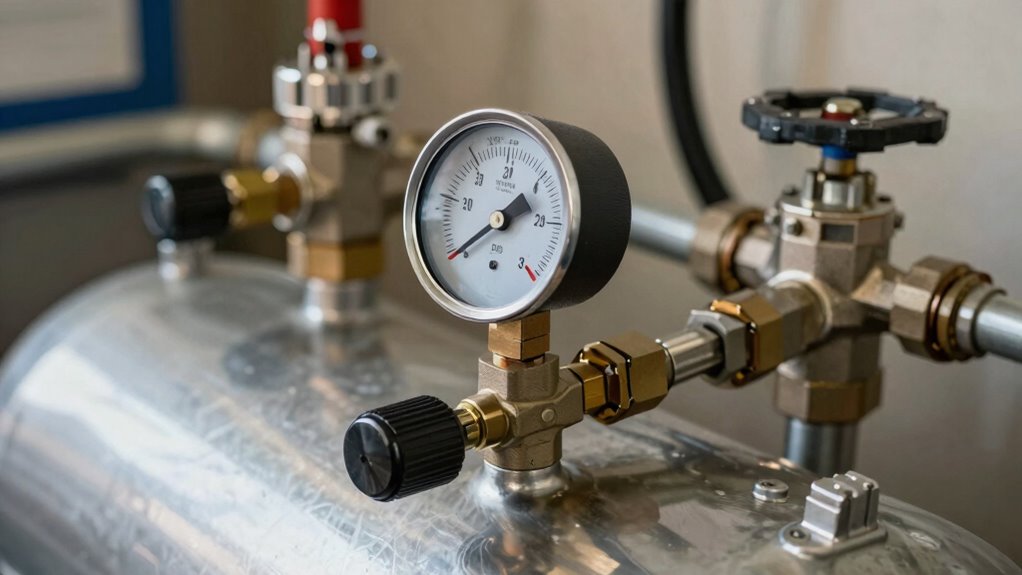
Ensuring your water pressure levels are set correctly is essential to prevent short-cycling, which can damage your pump and reduce its lifespan. Properly adjusting pressure helps maintain efficient tank maintenance and water filtration. To set the right levels, first, locate your pressure tank’s pressure switch. Then, follow these steps:
- Turn off power before adjustment.
- Check the current cut-in and cut-out pressures.
- Adjust the pressure switch to 40-60 psi, depending on your system’s specifications.
- Test the system to ensure it cycles smoothly without frequent short bursts.
How to Adjust Air Pressure in Your Water Pressure Tank for Better Performance?

Adjusting the air pressure in your water pressure tank is a straightforward process that can substantially improve your system’s performance. Proper tank maintenance includes ensuring the air pressure is set correctly for ideal pressure regulation. Start by turning off the pump and draining the tank. Next, locate the air valve on top of the tank and use a pressure gauge to check the current air pressure. If it’s below the recommended 2 psi below your cut-in pressure, add air with a bicycle pump. If it’s too high, release some air. Recheck the pressure after adjustments. Maintaining the correct air pressure helps prevent short-cycling and ensures consistent water flow. Regular pressure regulation keeps your system running smoothly and extends the lifespan of your water pressure tank.
Troubleshooting Persistent Short-Cycling: When to Call a Professional
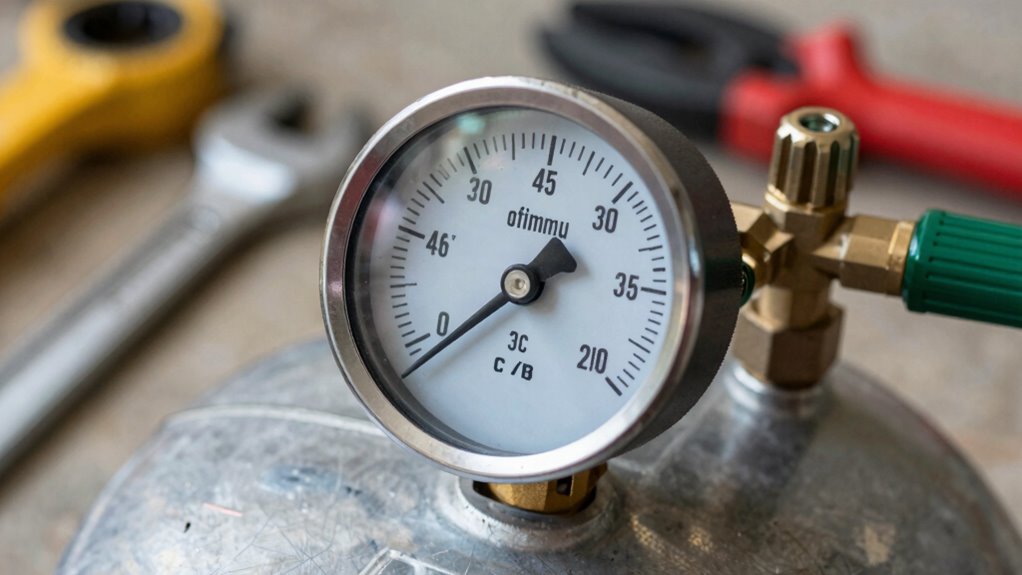
If you’ve fine-tuned your water pressure tank’s air pressure but still notice the pump cycling on and off more frequently than it should, persistent short-cycling might be the culprit. This issue often indicates underlying problems with tank maintenance or water quality that require professional attention.
Consider calling a plumber if:
- The tank’s bladder or diaphragm shows signs of damage or wear
- Water quality issues, like sediment buildup, affect performance
- The pressure switch or control system malfunctions
- You’ve checked all basic adjustments and still experience short-cycling
Ignoring these signs can lead to increased wear on your pump and reduced system lifespan. A professional can diagnose the root cause and ensure your tank operates smoothly, saving you time and preventing costly repairs.
Frequently Asked Questions
How Often Should I Check My Water Pressure Tank’s Settings?
You should check your water pressure tank’s settings at least once a year. Regularly inspect the pressure gauge calibration to confirm accuracy, and verify the tank pre-charge adjustment is correct, especially after maintenance or if you notice pressure fluctuations. Keep an eye on any changes in water flow or cycling patterns, and adjust settings as needed to prevent short-cycling and extend your tank’s lifespan.
Can a Water Pressure Tank Last More Than 10 Years?
Think of your water pressure tank like a sturdy old tree—if you care for it with proper tank maintenance, it can stand tall for over a decade. Yes, a well-maintained tank can last more than 10 years. Regular pressure adjustment and inspections prevent early wear. Keep an eye on it, perform timely maintenance, and you’ll extend its life, ensuring consistent water pressure and avoiding costly replacements down the line.
What Are Common Causes of Water Pressure Fluctuations?
You might experience pressure fluctuation causes like a faulty pressure switch, sediment buildup, or a malfunctioning tank. These issues can lead to inconsistent water pressure, causing short cycling or sudden drops. Tank malfunction issues, such as a bladder failure or air charge loss, also contribute. Regular maintenance and inspections help identify these problems early, ensuring your system runs smoothly without pressure fluctuations disrupting your water supply.
Is It Safe to Adjust Pressure Settings Myself?
It’s generally safe to adjust pressure settings yourself if you follow proper DIY safety precautions, but consulting a professional is always recommended. Turning the tank’s pressure settings can improve performance and stop short-cycling, but incorrect adjustments may cause damage or safety hazards. Always turn off power and relieve pressure before making changes, and don’t hesitate to seek professional consultation if you’re unsure about the process.
How Does Temperature Affect Water Pressure Tank Performance?
Sure, temperature’s like that overenthusiastic party guest—making everything expand! When water heats up, thermal expansion causes pressure spikes, which can mess with your tank’s performance. That’s why you should regularly check your pressure gauge calibration; it guarantees your system isn’t overreacting. Remember, adjusting your tank without understanding these effects risks short-cycling or damage. Stay vigilant, and your water pressure will stay steady, no matter the temperature drama.
Conclusion
Properly setting your water pressure tank can reduce short-cycling and extend your system’s life. Did you know that inefficient water pressure management accounts for up to 30% of energy waste in residential systems? By regularly checking and adjusting your tank, you’ll prevent unnecessary wear and save money. Stay attentive to signs of issues, and don’t hesitate to call a professional if problems persist. Your plumbing system will thank you for it!