
To prepare animals for sudden weather swings, you should create versatile shelters with good insulation, ventilation, and waterproofing, making them adaptable for cold or hot conditions. Always monitor weather forecasts and adjust environmental controls, like adding bedding during cold snaps or providing shade and cool water during heatwaves. Keep emergency supplies on hand and conduct regular shelter maintenance. Staying proactive helps prevent illness and stress; continue exploring strategies to guarantee your animals stay safe through unpredictable weather.
Key Takeaways
- Monitor weather forecasts regularly to anticipate and prepare for sudden weather changes affecting animals.
- Provide adaptable, well-maintained shelters with insulation, ventilation, and waterproofing for rapid weather shifts.
- Adjust feeding and hydration routines promptly to meet animals’ energy and water needs during temperature fluctuations.
- Keep emergency supplies like extra bedding, tarps, and fasteners ready for storm reinforcement or shelter adjustments.
- Observe animals closely for early signs of stress or discomfort, and respond proactively to prevent health issues.
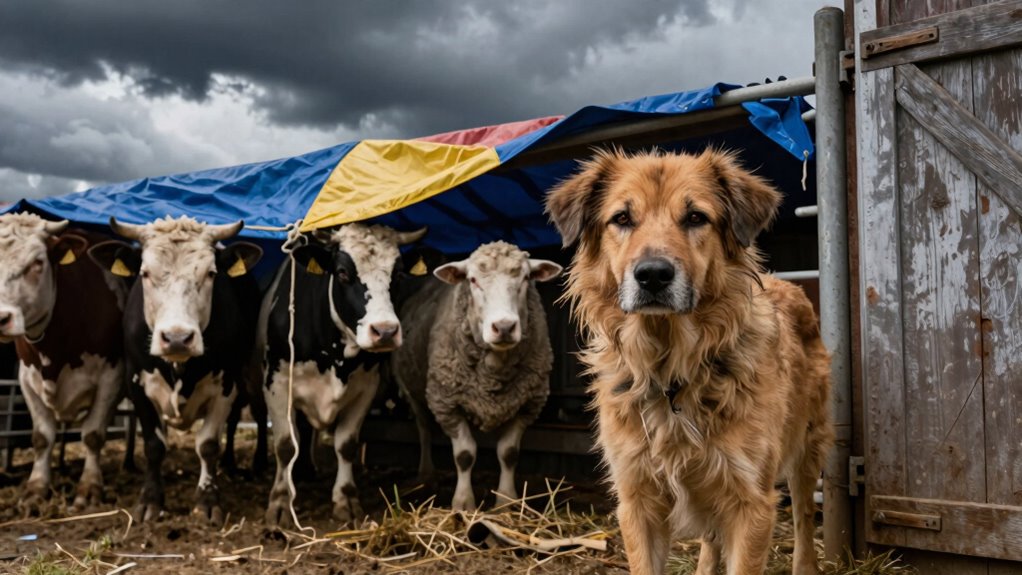
Sudden weather changes can catch animals off guard, causing stress and health issues if they aren’t prepared. Rapid shifts in temperature, unexpected storms, or sudden cold snaps can leave your animals vulnerable if you haven’t taken steps to manage their environment. To guarantee their well-being, you need to focus on effective climate adaptation and shelter strategies. These measures help animals stay comfortable, reduce stress, and prevent illness during unpredictable weather swings.
Sudden weather changes threaten animals’ health; proactive climate and shelter strategies are essential for their safety and comfort.
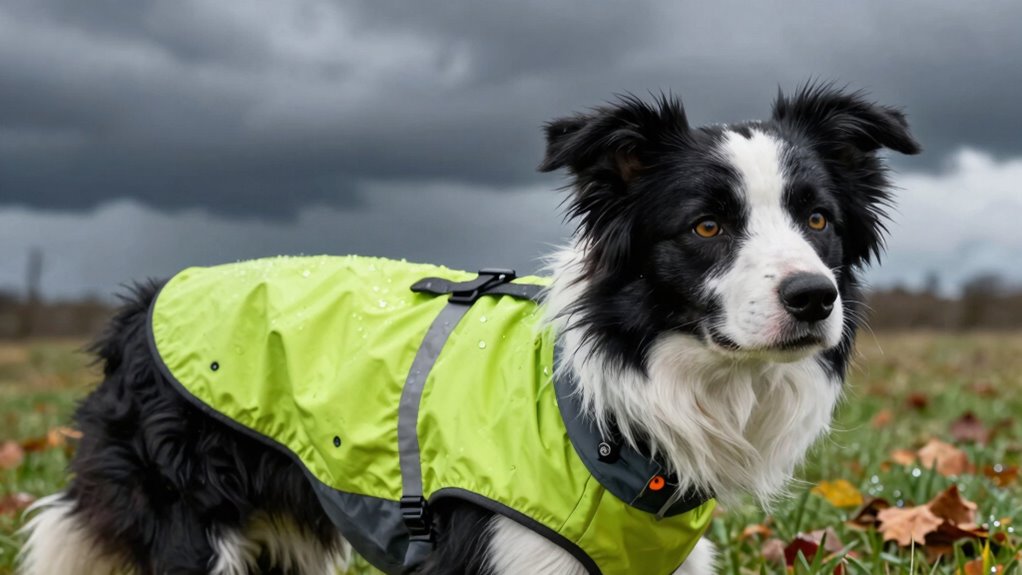
First, understanding how to adapt to climate fluctuations is essential. Different animals have unique needs based on their species, age, and health status. You should monitor weather forecasts closely and anticipate changes to implement appropriate measures ahead of time. For cold weather, increasing insulation and providing extra bedding can help animals retain body heat. Conversely, during heatwaves, ensure access to shade and cool water. Adjusting feeding routines — offering more energy-rich food in cold weather or hydration-focused nutrition during hot days — also helps animals cope with changing conditions. Additionally, observing their behavior can provide early signs of discomfort, so regular monitoring is crucial. Being aware of climate adaptation strategies can significantly improve your animals’ resilience during sudden weather events.
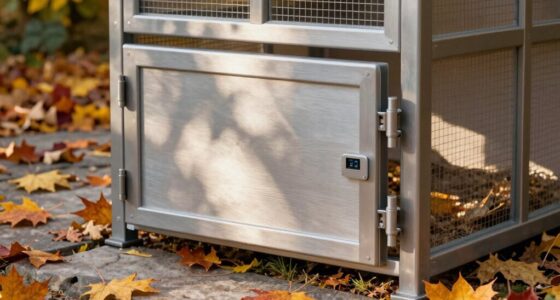
Shelter strategies are your frontline defense against sudden weather shifts. Your goal is to create versatile, resilient shelters that can adapt quickly to different conditions. For colder spells, guarantee that shelters are well-insulated with materials like straw, hay, or specialized covers that trap heat. Elevate shelters off the ground to prevent drafts and moisture buildup. During warm or stormy weather, make sure shelters provide ample ventilation and shade. Portable or collapsible shelters can be useful because they allow quick modifications depending on the weather. Weatherproofing your structures with waterproof roofing and sealing any gaps prevents drafts, water infiltration, and wind damage, keeping your animals dry and comfortable. Additionally, incorporating biodiversity-conscious design elements can enhance shelter resilience and support local ecosystems.
It’s also wise to have contingency plans in place. Keep extra bedding, blankets, and protective coverings on hand for sudden cold snaps. For storms, stockpile essentials like tarps, stakes, and fasteners to quickly reinforce or relocate shelters. Regular maintenance of these structures ensures they remain sturdy and effective when weather changes occur unexpectedly. Preparing for emergency situations by establishing clear protocols ensures swift action during severe weather events. Being proactive about shelter maintenance and emergency preparedness can make all the difference in safeguarding your animals.
In addition, observe your animals closely during fluctuating weather. Signs of stress, discomfort, or illness should prompt immediate action. Proper climate adaptation and shelter strategies aren’t just about comfort — they’re crucial for safeguarding your animals’ health during unpredictable weather swings. By staying proactive, you help ensure that sudden weather shifts don’t become emergencies, allowing your animals to stay safe, healthy, and at ease regardless of what Mother Nature throws your way.

ShelterLogic 12'x12' Equine, Livestock and Agricultural Shelter Enclosure Kit (Corral Panels and Shelter Not Included)
- Universal Fit: Fits all standard 12' x 5' panels and gates
- Heavy Duty Fabric: Made from durable 7.5oz ripstop material
- Waterproof & UV Resistant: Heat-sealed seams prevent water leakage
As an affiliate, we earn on qualifying purchases.
As an affiliate, we earn on qualifying purchases.
Frequently Asked Questions
How Can I Tell if My Animal Is Stressed by Weather Changes?
You can tell your animal is stressed by weather changes if it shows signs like excessive panting, trembling, or hiding more often. Watch for changes in eating or drinking habits, and note if it becomes unusually aggressive or lethargic. Climate adaptation is essential for animal resilience. By observing these behaviors and providing a stable environment, you help your animal better cope with weather swings and maintain overall well-being.
What Signs Indicate My Animal Is Unprepared for a Weather Shift?
You can tell your animal is unprepared for a weather shift if you notice seasonal shedding happening suddenly or excessively, indicating stress. Additionally, watch for changes in appetite or energy levels, which suggest discomfort. Make dietary adjustments to support their immune system during this time. Unusual behaviors or signs of discomfort may also point to inadequate preparation, so stay attentive and respond promptly to keep your animal healthy.
Are There Specific Breeds More Resilient to Sudden Weather Swings?
Did you know that some breeds, like the Icelandic sheep, are naturally more resilient to sudden weather changes? Breed resilience varies greatly, with certain breeds like the Highland cattle and alpacas showing excellent weather adaptability. These breeds have evolved to withstand harsh climates, making them more suited for unpredictable weather swings. Choosing animals with strong breed resilience helps guarantee they stay healthy and comfortable during unpredictable weather shifts.
How Often Should I Update My Animal’s Emergency Weather Plan?
You should update your animal’s emergency weather plan at least twice a year, ideally during seasonal changes. This guarantees you consider wildlife adaptation and seasonal migration patterns that might affect their needs. Regular updates help you stay aware of changing weather trends, new safety protocols, and potential risks. Staying proactive allows you to better protect your animals during unpredictable weather swings, mimicking how wildlife naturally adapts and migrates to survive.
What Are Emergency Shelter Options for Animals During Extreme Weather?
You should consider emergency shelter options that prioritize indoor ventilation and veterinary preparedness. Verify if local shelters or barns have proper airflow and safety measures. Portable kennels or insulated pet carriers can serve as temporary shelters. Keep a veterinary emergency kit nearby, and establish partnerships with local vets. Ensuring these options are ready helps protect your animals during extreme weather, providing safe, well-ventilated spaces until conditions improve.
Conclusion
By staying attentive to weather forecasts and adjusting your animals’ shelter and care routines, you’re like a shepherd guiding your flock through a storm. Sudden weather swings can be unpredictable, but with proactive planning, you’ll keep your animals safe and comfortable, no matter what nature throws your way. Remember, a little preparation today is like a sturdy umbrella—your best defense against the unexpected, helping your animals weather any storm with confidence.