
To prevent overheating with row covers, choose lightweight, breathable fabrics that allow air and moisture to pass through. Deploy covers early in the morning or late in the afternoon and remove or lift them during peak heat hours, like 11 a.m. to 3 p.m. Use frameworks that promote airflow and consider adjustable or removable covers for flexibility. Regularly monitor your plants for signs of heat stress, and adjusting your approach will help keep temperatures in check. Keep exploring for more tips on maintaining the perfect microclimate.
Key Takeaways
- Choose lightweight, breathable fabrics with UV protection to prevent heat buildup.
- Deploy covers early in the morning or late afternoon, and remove during peak heat hours.
- Use removable or adjustable covers with vents to increase airflow and prevent overheating.
- Incorporate frameworks that elevate covers, promoting better ventilation around plants.
- Monitor plants daily for heat stress signs and lift covers immediately if symptoms appear.
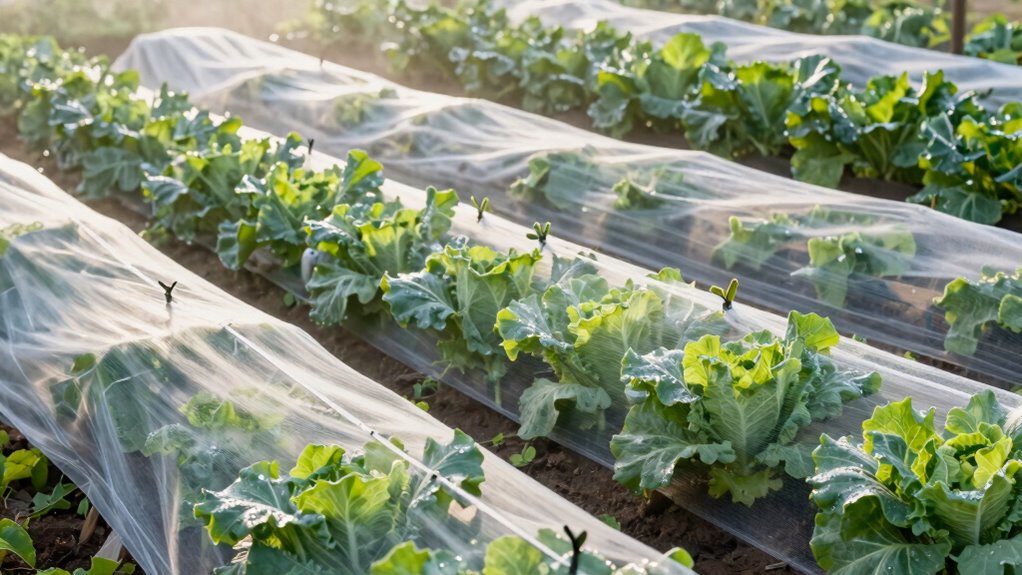
Using row covers is a great way to protect your plants from pests and harsh weather, but it’s important to prevent them from overheating. When you cover your crops, you create a barrier that deters insects and shields plants from wind, rain, and frost. However, if the covers trap too much heat, your plants can suffer from heat stress, which hampers growth and reduces yields. To maximize pest prevention and crop protection without causing overheating, you need to be thoughtful about how and when you use your row covers.
Using row covers protects plants from pests and weather but requires careful management to prevent heat stress.
Start by choosing lightweight, breathable fabrics designed specifically for gardening. These materials allow air and moisture to pass through, providing a natural cooling effect. Thicker or non-breathable covers might offer better pest prevention but can quickly trap heat, especially during hot days. If you’re planting during peak summer, consider using a cover that’s designed to reflect sunlight or has UV protection. These features help keep the temperature underneath more manageable.
Timing is essential. Deploy your row covers early in the morning or late in the afternoon when temperatures are cooler. Removing or lifting the covers during the hottest part of the day—usually between 11 a.m. and 3 p.m.—can prevent overheating. If you’re growing in a particularly hot climate, you might want to remove the covers entirely during the peak heat hours and replace them when the temperature drops. This approach guarantees your plants stay cool while still benefiting from pest prevention and crop protection during the cooler times.
Another effective strategy is to use removable or adjustable row covers. This flexibility allows you to easily vent or lift the covers when needed. You might also consider installing a simple framework that raises the cover slightly above the plants, creating an air space that promotes better airflow and reduces heat buildup. Proper ventilation is essential because it allows heat to escape and fresh air to circulate, preventing the environment under the cover from becoming too hot. Incorporating proper airflow management can significantly improve the microclimate under your covers and maintain optimal growing conditions. Additionally, understanding the importance of biodiversity in your garden can help you select cover crops or companion plants that naturally regulate temperature and improve overall plant health. Recognizing and managing microclimates within your garden can also help mitigate excessive heat buildup under covers.
Monitoring your plants regularly is necessary. Check beneath the covers daily during hot weather to ensure they’re not overheating. If you notice signs of heat stress—wilting, leaf scorch, or leaf curling—lift the covers immediately. Properly managing your row covers not only enhances pest prevention and crop protection but also ensures your plants stay healthy and productive. By combining the right materials, timing, and ventilation, you can effectively use row covers without risking damaging heat buildup.
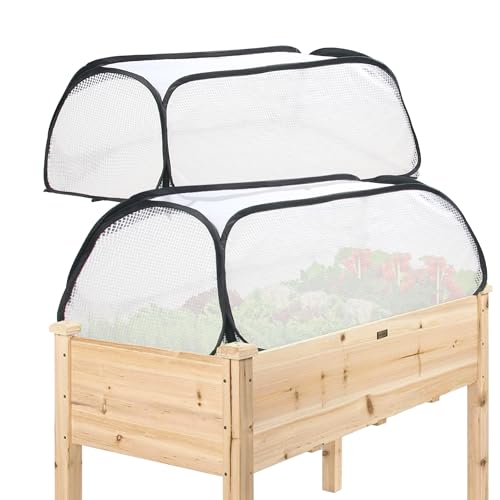
2 Pack Raised Bed Garden Covers,45"x22"x16" Pop Up Greenhouse Plant Row Cover with Breathable Mesh & PE Sides, Plant Protectors for Insects, Birds & Animals, Accelerates Seedling Growth for Vegetables
- Accelerates Growth & Extends Season: Boosts seedling growth by up to 25%
- Protection Against Pests & Weather: Blocks insects, birds, cold, and rain
- Breathable Mesh & PE Sides: Ensures airflow and shields from elements
As an affiliate, we earn on qualifying purchases.
As an affiliate, we earn on qualifying purchases.
Frequently Asked Questions
Can Row Covers Be Reused Season After Season?
Yes, you can reuse row covers season after season. To do so, follow proper recycling protocols by cleaning them thoroughly after each use to prevent disease and debris buildup. Store them in a cool, dry place using storage tips like folding or hanging to avoid damage. Regular inspections before reusing guarantee they stay in good condition, helping you extend their lifespan and protect your crops effectively year after year.
What Materials Are Best for Breathable Row Covers?
Opt for breathable fabrics like spunbonded polypropylene or lightweight cotton blends, which gently let air flow through. These materials help prevent overheating while providing protection. Look for UV resistant materials to enhance durability against sun exposure. By choosing these fabrics, you guarantee your plants stay cool and healthy under the cover, creating a comfortable environment without sacrificing protection. This smart choice keeps your garden thriving all season long.
Do Row Covers Attract Pests or Insects?
Row covers generally don’t attract pests or insects; instead, they act as effective insect barriers. By using pest prevention strategies, you keep unwanted bugs away from your plants. Make sure your covers fit snugly and are properly secured to prevent insects from sneaking underneath. Regularly inspect your covers for tears or gaps, and clean them as needed. This way, you maintain a pest-free environment without attracting or harboring insects.
How Do I Secure Row Covers Properly?
To secure row covers properly, you need to focus on cover tension and securing methods. Make sure the cover is taut but not overstretched to prevent sagging or overheating. Use stakes, clips, or weights along the edges, especially at corners and seams, to keep it firmly in place. Regularly check and adjust the tension as plants grow, maintaining a snug fit that allows airflow while protecting your crops effectively.
Are There Specific Plants That Benefit Most From Row Covers?
You’ll find that delicate seedlings, leafy greens, and early spring vegetables flourish most under row covers. These plants thrive within the gentle microclimate benefits, creating a protective embrace that nurtures their growth. By shielding them from frost and pests, you enhance plant growth and extend your growing season. The covers act as a cozy canopy, ensuring your plants develop strong roots and lush foliage, ready to greet the sun.
Conclusion
Think of your row covers as a gentle umbrella for your plants—protecting them from the harsh sun while still letting in the breeze. When used wisely, they’re like a cozy, breathable blanket that nurtures growth without trapping heat. By monitoring weather and adjusting covers as needed, you’re guiding your garden through the seasons like a skilled conductor. With care and attention, your plants will thrive, basking in the perfect balance of protection and airflow.