In dense plantings, good airflow is essential because it prevents moisture buildup, which can lead to mold, fungi, and bacterial diseases. It also helps deter pests like aphids and mites by making it harder for insects to settle and reproduce. Proper airflow keeps leaves dry, encourages healthier growth, and helps plants recover faster after watering or rain. You’ll discover simple tips to improve airflow and protect your garden as you explore further.
Key Takeaways
- Dense plantings restrict air movement, increasing humidity and creating conditions favorable for pests and diseases.
- Good airflow prevents moisture buildup on leaves, reducing fungal and bacterial infections.
- Proper spacing and pruning in dense plantings enhance ventilation, promoting healthier plant growth.
- Air circulation naturally deters pests, decreasing reliance on chemical controls.
- Maintaining airflow speeds up plant recovery from environmental stresses like rain or watering.

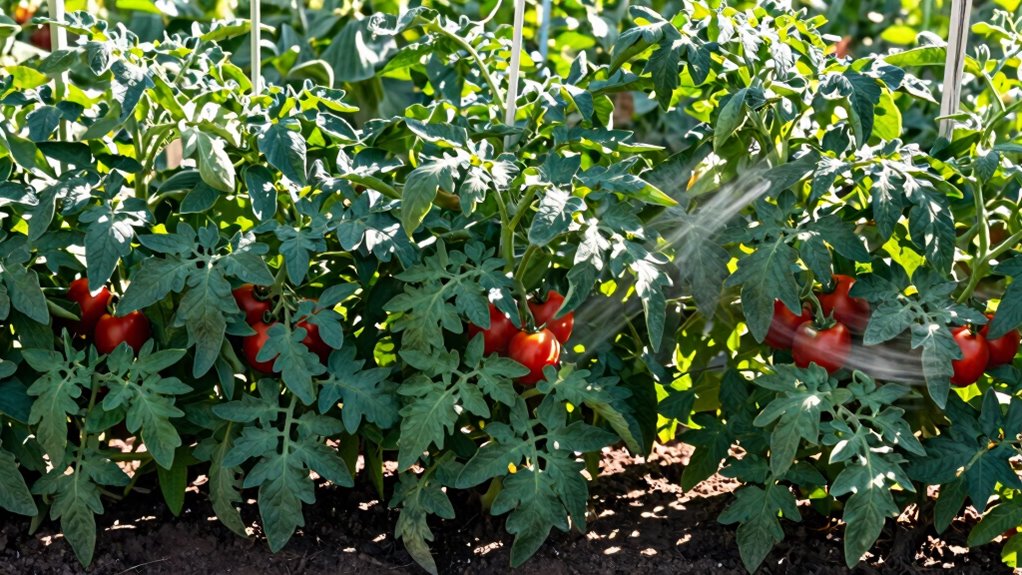
Dense plantings can boost productivity and create lush landscapes, but they also pose challenges for airflow. When plants are packed closely together, it’s easy for air to become stagnant, which can lead to serious issues for your garden’s health. Proper airflow is essential because it helps reduce humidity levels, control pests, and prevent diseases that thrive in damp, crowded conditions. If you neglect this, your plants become more vulnerable to infestations and illnesses that can quickly spread through dense foliage.
Good airflow acts as a natural defense against pests. Many insects prefer still, humid environments where they can hide and breed easily. When air moves freely through your garden, it discourages these pests from settling in and makes it harder for them to reproduce. This means fewer outbreaks of common pests like aphids, mites, and whiteflies, which often flourish in crowded, poorly ventilated areas. By ensuring your plants are spaced appropriately and pruning regularly, you promote better air circulation, making pest control more manageable and less reliant on chemical interventions.
Good airflow naturally reduces pests by discouraging humid, still environments where insects thrive.
Disease prevention is another critical reason why airflow matters so much. Fungi and bacteria love damp, stagnant conditions, which are common in dense plantings. Without sufficient airflow, moisture lingers on leaves and stems, creating the perfect environment for diseases such as powdery mildew, leaf spot, and blight. These issues can weaken your plants, stunt growth, and even kill them if left unchecked. When you encourage good airflow, you help keep foliage dry and reduce the overall humidity around your plants. This not only minimizes the chances of disease development but also helps plants recover faster after watering or heavy rain. Additionally, understanding the importance of proper spacing can significantly improve airflow and overall garden health. Creating an environment that promotes healthy air circulation is also essential for supporting plant resilience against various stresses. Regularly assessing your garden’s airflow helps you identify and address areas where circulation may be insufficient, ensuring your plants remain healthy and vigorous.
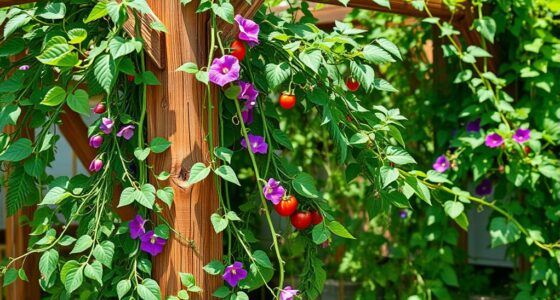
Maintaining airflow requires active effort. You should space your plants according to their growth habits, prune to remove overcrowded branches, and consider the placement of taller plants to avoid shading and airflow blockages. Incorporating techniques like staking or trellising can help keep plants upright and improve circulation. The importance of garden design can’t be overstated in optimizing airflow and overall plant health. The goal is to create an environment where air moves freely, helping your plants stay healthy and productive. Recognizing the benefits of good airflow can motivate you to implement these practices consistently for a thriving garden.
As an affiliate, we earn on qualifying purchases.
Frequently Asked Questions
How Can I Improve Airflow Without Thinning My Dense Planting?
To improve airflow without thinning your dense planting, try using strategic pruning techniques to open up the plant structure. Focus on removing unnecessary branches that block airflow, and prune to create pathways for air to circulate. Additionally, adjust crop spacing by gently loosening plants or staking them to encourage better air movement. These methods help reduce humidity and disease risk while maintaining your dense planting’s productivity.
What Signs Indicate Poor Airflow in Dense Plantings?
You notice poor airflow when you see stagnant air around your plants, increased humidity, and signs of disease or mold. Air circulation slows, leading to higher humidity levels that promote pests and plant rot. If leaves are damp and stay wet longer, it’s a clear sign your dense planting lacks proper airflow. Improving air circulation helps control humidity, reduces disease risk, and keeps your plants healthier overall.
Does Airflow Impact Pest Control in Dense Plantings?
Yes, airflow considerably impacts pest control in dense plantings. Good airflow helps create natural barriers, making it harder for pests to migrate easily from plant to plant. It also reduces humidity, discouraging pests and diseases. When airflow is limited, pests can settle and multiply more quickly, increasing the risk of infestations. Ensuring proper airflow helps you manage pest migration naturally, keeping your plants healthier and reducing the need for chemical controls.
Can Artificial Airflow Systems Benefit Dense Plantings?
Artificial ventilation can substantially benefit dense plantings by enhancing air circulation where natural airflow struggles. You’ll notice healthier plants, fewer pest issues, and reduced disease risk because consistent artificial airflow prevents moisture buildup and promotes gas exchange. When natural airflow is limited, installing artificial ventilation systems creates a steady breeze, mimicking natural conditions and improving overall plant health and productivity.
How Does Airflow Influence Disease Spread Among Plants?
Airflow considerably influences disease spread among plants by promoting better air circulation, which helps prevent the buildup of moisture and humidity. When you improve airflow, you reduce the chances of fungal and bacterial infections taking hold. Good air circulation allows pathogens to dry out quickly, making disease prevention easier. By ensuring proper airflow in dense plantings, you create an environment less conducive to disease, keeping your plants healthier and more resilient.
Conclusion
So, when you’re planting densely, never forget that airflow is your secret weapon. It’s the ultimate superhero, saving your plants from disease and keeping them healthy and happy. Without it, your garden could turn into a swamp of problems faster than you can say “blight.” By giving your plants the breeze they crave, you’re ensuring a thriving, vibrant garden that will outshine even the most lush, crowded jungles. Keep that airflow flowing, and watch your garden flourish!