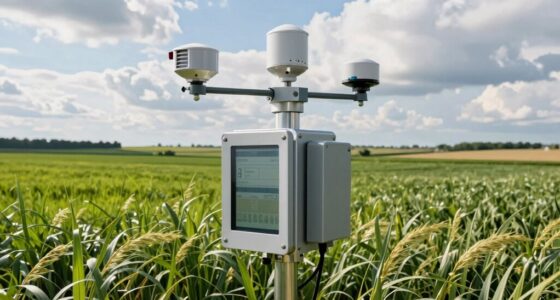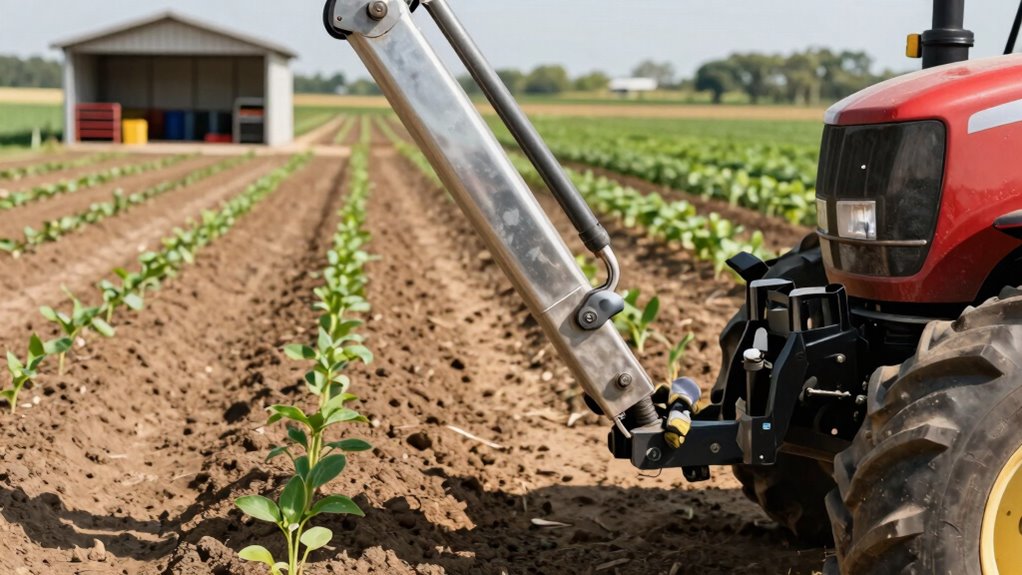
Small process improvements on farms add up quickly because consistent, minor changes boost productivity, soil health, and pest control over time. By adjusting crop rotations, planting schedules, or pest management methods, you can reduce input costs and increase yields steadily. These incremental steps create a compounding effect that improves overall farm resilience and sustainability. The more you refine your practices, the greater the benefits, and there’s always more to discover for even better results.

Get garden gear delivered free — and shop member deals
- Fast, free delivery on millions of items
- Access to Prime Big Deal Days deals on October 6–7
- Prime Video, Amazon Music and more included
Key Takeaways
- Small, consistent adjustments multiply over time, leading to significant improvements in productivity and profitability.
- Incremental changes in crop rotation and soil health practices enhance long-term farm resilience.
- Targeted pest management reduces chemical use and prevents resistance, improving crop health gradually.
- Combining small practices creates a compounding positive effect on soil quality and crop yields.
- Easy-to-implement tweaks are sustainable, reduce disruptions, and steadily optimize farm operations.

Have you ever wondered how small adjustments on your farm can lead to significant gains? It’s surprising how tiny changes, when applied consistently, can multiply over time, transforming your farm’s productivity and profitability. One of the simplest yet most effective strategies is refining your crop rotation schedule. By varying the types of crops you plant each season, you break pest and disease cycles that can otherwise devastate yields. For example, rotating legumes with grains not only improves soil health but also reduces the need for chemical inputs. These small shifts in your planting plan might seem minor at first, but over multiple seasons, they lead to healthier crops and higher yields, all while lowering your input costs.
Pest management is another area where small, deliberate tweaks can make a big difference. Instead of relying solely on reactive chemical treatments, you can adopt proactive practices such as monitoring pest levels closely and adjusting your interventions accordingly. Implementing integrated pest management (IPM) techniques—like introducing natural predators or planting pest-repellent crops—can dramatically reduce pest populations without harming beneficial insects or the environment. When you consistently apply these small, targeted actions, you not only protect your crops more effectively but also minimize the risk of pests developing resistance to pesticides. Sustainable practices like crop diversification and habitat enhancement support long-term pest control and farm resilience.
These incremental improvements often seem insignificant on their own. But when you combine them—like rotating crops to manage pests naturally and adopting smarter pest control tactics—you create a compounding effect. Each season, your soil becomes healthier, your pest problems become easier to control, and your crops thrive more robustly. Over time, this steady progression leads to fewer crop losses, reduced reliance on chemical inputs, and increased farm resilience. Incorporating biodiversity practices into your farm management can further enhance these benefits, creating a more sustainable ecosystem. Small adjustments also tend to be more manageable and less disruptive, making it easier to stay committed over the long haul. Additionally, understanding the importance of soil health can help you target these improvements more effectively, ensuring that every small effort contributes to a healthier farm ecosystem. Recognizing that these small, strategic shifts are grounded in agricultural science can motivate consistent implementation and long-term success. Moreover, staying informed about soil management techniques can help optimize the impact of your incremental efforts.
Frequently Asked Questions
How Do Small Improvements Impact Long-Term Farm Profitability?
Small improvements like optimizing crop rotation and water management boost your farm’s long-term profitability by increasing yields and reducing costs. When you consistently refine these processes, you improve soil health, conserve water, and prevent crop diseases. Over time, these small adjustments add up, leading to healthier crops and higher profits. You’ll see sustainable growth as your farm becomes more efficient, resilient, and profitable through continuous, incremental improvements.
What Tools Help Identify Effective Process Changes?
Think of tools like a magnifying glass guiding your focus. Technology integration and data analysis are essential in spotting effective process changes. Software tools such as farm management systems and analytics platforms help you track performance, identify inefficiencies, and test improvements. These tools act as your farm’s compass, providing clear insights that lead to smarter decisions, streamlining operations, and maximizing productivity over time.
How Can Farmers Prioritize Which Processes to Improve First?
You should prioritize processes like crop rotation and pest management first because they considerably impact yield and health. Start by analyzing which areas cause the most inefficiency or crop loss, then focus on small improvements there. Implementing better pest control or adjusting crop cycles can lead to quick gains. Regularly review results, and as you see progress, expand your efforts to other processes, creating a cycle of continuous improvement.
What Challenges Do Farmers Face When Implementing Small Changes?
You might face labor challenges and equipment adjustments when implementing small changes, which can slow progress. Staff may resist new routines, or you might lack enough labor to manage the adjustments smoothly. Equipment tweaks could require extra time or training, causing temporary disruptions. Staying patient, communicating clearly, and planning carefully help overcome these hurdles. Small, gradual changes often make these challenges manageable, leading to long-term benefits on your farm.
How Do Small Improvements Affect Farm Employee Morale?
Small improvements boost your farm employees’ morale by increasing employee motivation and team engagement. When workers see their suggestions lead to positive changes, they feel valued and more committed. This sense of ownership encourages collaboration and enthusiasm, creating a more productive environment. As morale rises, so does efficiency, making your farm run smoother. Ultimately, these small wins foster a motivated team that actively contributes to ongoing success.
Conclusion
By making small process improvements consistently, you’ll see big gains over time on your farm. These tiny tweaks can boost efficiency, reduce waste, and improve overall productivity. Remember, “little strokes fell great oaks,” so don’t underestimate the power of small changes. Keep refining your methods, stay patient, and watch how those small efforts accumulate into massive success. Sometimes, the smallest step forward is the one that changes everything.
Fall yard work Picks
leaf blowers
As an affiliate, we earn on qualifying purchases.