Growing fodder crops for livestock can be highly efficient with hydroponic systems. These setups let you produce fresh, nutritious feed year-round in small spaces, reducing dependency on weather and external sources. Implement pest management by regularly monitoring for mold, insects, and disease, and maintain a clean, ventilated environment. Combining hydroponics with good pest controls guarantees consistent, high-quality fodder, boosting farm productivity and sustainability. Continue exploring to discover key tips for successful cultivation and pest management strategies.

Get garden gear delivered free with Prime
- Fast, free delivery on millions of items
- Prime Video, Amazon Music and more included
- Member-only deals all year
Key Takeaways
- Select suitable fodder crops that grow quickly and are nutritious for livestock.
- Utilize hydroponic systems to grow fodder indoors, conserving space and ensuring year-round availability.
- Maintain proper hygiene and airflow to prevent pests, mold, and fungal growth during cultivation.
- Implement integrated pest management strategies to protect fodder crops from insects and diseases.
- Combine efficient watering, nutrient delivery, and pest control to produce high-quality, sustainable fodder for livestock.
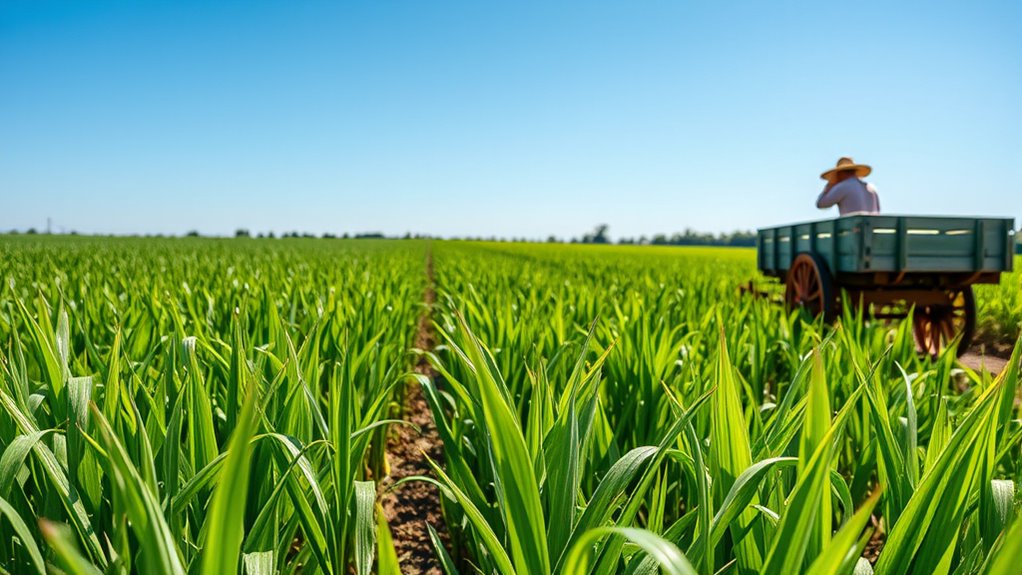
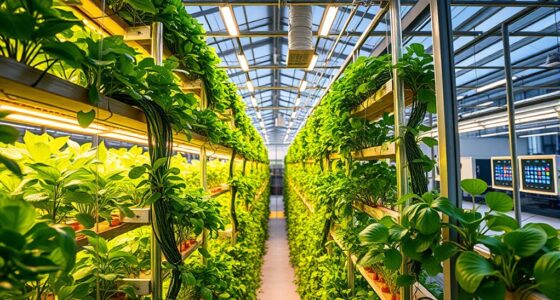
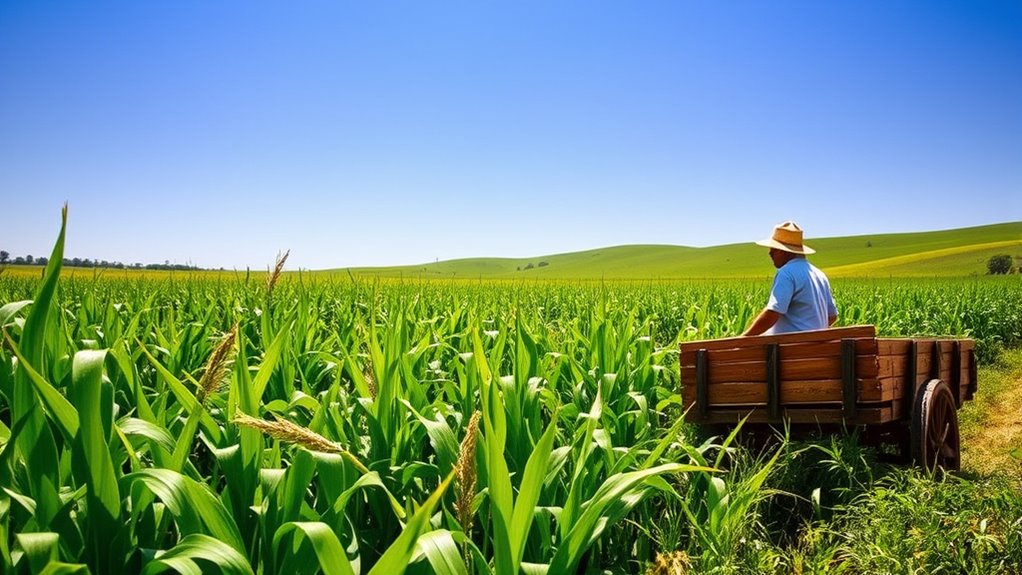
Growing fodder crops is an effective way to guarantee a steady supply of nutritious feed for your livestock. Whether you’re operating on a small farm or managing a larger operation, cultivating high-quality fodder ensures your animals stay healthy and productive. One efficient method to consider is using hydroponic systems. These soilless setups allow you to grow fodder indoors or in confined spaces, which means you’re less dependent on weather conditions and can produce fresh feed year-round. Hydroponic systems also help conserve water and maximize space, making them ideal for limited land areas. By carefully managing nutrient delivery through these systems, you can optimize growth rates and yield high-quality sprouted grains or grasses that are rich in digestible nutrients.
Growing fodder with hydroponics ensures year-round, nutritious feed while conserving water and space.
While hydroponic systems offer numerous advantages, pest management remains a vital aspect of successful fodder cultivation. Even in controlled environments, pests like fungi, mold, or insects can threaten your crops. Regular monitoring is essential. Look out for signs of mold or unusual growth patterns, which could indicate pest presence or environmental issues. Implementing integrated pest management (IPM) strategies helps you keep pest populations under control without relying heavily on chemical pesticides. This might include maintaining proper hygiene, ensuring good airflow, and using biological controls when necessary. Keeping your growing environment clean and well-ventilated reduces the risk of pest infestations and promotes healthy crop development. Additionally, understanding the impact of environmental conditions on pest proliferation can help you adapt your strategies more effectively. Regular crop inspections further ensure early detection and swift action against any pest issues. Incorporating pest-resistant seed varieties can also significantly reduce the likelihood of infestations from the outset. Moreover, selecting resistant seed varieties aligns with sustainable farming practices by reducing the need for chemical interventions. When pests are detected, act swiftly to contain and eliminate them using safe, targeted methods. This proactive approach minimizes crop loss and ensures your fodder remains nutritious and safe for your animals. Growing fodder crops with hydroponic systems paired with diligent pest management can markedly increase your farm’s productivity. You’ll enjoy a consistent supply of fresh, high-quality feed that reduces dependence on external sources and mitigates supply chain disruptions. Plus, these methods promote sustainable practices, conserving water and land while maintaining healthy crops. As you implement these techniques, you’ll find that your livestock benefits from fresher, more nutritious feed, which can translate into better growth rates and overall health. By paying attention to both innovative growing methods and pest management, you set yourself up for a more efficient, resilient fodder production system that supports your farm’s long-term success.
hydroponic fodder system for livestock
As an affiliate, we earn on qualifying purchases.
As an affiliate, we earn on qualifying purchases.
Frequently Asked Questions
What Are the Most Drought-Tolerant Fodder Crops?
When choosing fodder crops, you want to focus on drought-resistant varieties that can withstand dry conditions. These crops, like sorghum, millets, and certain legumes, are naturally more resilient to drought. Additionally, using water-conserving techniques such as drip irrigation or mulching helps maximize water efficiency. This way, you guarantee a reliable fodder supply even during prolonged dry spells, keeping your livestock fed without overusing water resources.
How Can I Extend the Shelf Life of Fresh Fodder?
Ever notice how a single breeze can spoil your fresh fodder? To extend its shelf life, you should explore effective storage techniques like airtight containers or cool, dry places. Drying methods, such as sun-drying or using a dehydrator, can also help preserve your fodder longer. Combining these approaches guarantees your fresh fodder stays nutritious and ready for feed, even during off-seasons or unexpected delays.
Which Crops Are Best for Organic Fodder Production?
When choosing crops for organic fodder production, you should focus on ones that meet organic certification standards, like alfalfa, clover, and oats. These crops are naturally resilient and can thrive without synthetic inputs. Incorporate crop rotation to maintain soil health and prevent pests. By selecting suitable organic crops and practicing crop rotation, you’ll guarantee sustainable, high-quality fodder for your livestock.
How Do I Prevent Pest Infestations in Fodder Crops?
To prevent pest infestations, you should focus on natural pest control methods and crop rotation. Regularly inspect your crops for signs of pests and introduce beneficial insects like ladybugs or predatory beetles to keep pest populations in check. Practice crop rotation to disrupt pest life cycles and reduce their buildup in the soil. These strategies help maintain healthy, pest-resistant crops without relying on chemical pesticides.
What Are the Cost-Effective Irrigation Methods for Fodder Cultivation?
Your quest for cost-effective irrigation methods is a game-changer! Drip irrigation is your best bet—it’s super efficient, saves water, and cuts costs dramatically. Furrow watering works well for larger plots, offering an affordable, straightforward solution. Both methods help you use water wisely, ensuring your fodder crops thrive without draining your budget. Choose drip for precision or furrow for simplicity; either way, you’ll boost your yields smartly and economically.
Conclusion
Growing fodder crops is a smart way to guarantee your livestock always have fresh, nutritious feed. Did you know that cultivating fodder can increase milk production by up to 20%? By investing in good crop management, you not only boost your farm’s productivity but also promote sustainable farming practices. So, start planning your fodder crops today and enjoy healthier animals and better yields tomorrow!
Fall yard work Picks
leaf blowers
As an affiliate, we earn on qualifying purchases.