
TL;DR
Six well-known garden plants are no longer thriving during intense heat waves, prompting gardeners to consider heat-tolerant alternatives. Experts warn that climate change is impacting plant resilience, and adjustments are needed.
Six traditional garden plants, long favored by gardeners for their beauty and ease of growth, are increasingly failing to survive during recent intense heat waves, according to horticultural experts. This development highlights the growing impact of climate change on plant resilience and garden planning.
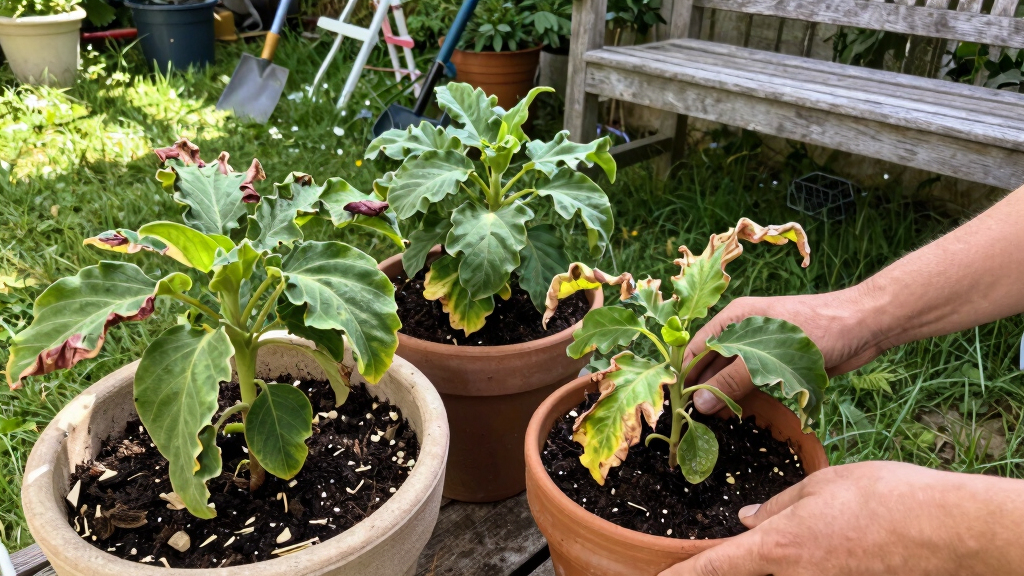
Horticulturists from several botanical research centers have observed that six classic plants — including lavender, hydrangeas, and certain roses — are showing signs of stress, such as wilting, leaf scorch, and reduced flowering, during recent heat waves across multiple regions. These plants, historically valued for their hardiness, are now struggling to withstand elevated temperatures and prolonged drought conditions.
Experts attribute this decline to the rising frequency and severity of heat waves linked to climate change. Dr. Emily Carter, a plant scientist at the National Botanical Institute, stated, “Many of these traditional garden species are simply not adapted to the increasingly extreme summer conditions we are experiencing now.” The decline has prompted a reevaluation of planting choices, with horticulturists recommending heat-tolerant alternatives like succulents, native grasses, and drought-resistant shrubs.
Why Garden Resilience Matters in a Warming Climate
The decline of these classic plants underscores the broader implications of climate change for horticulture and landscape design. Gardens serve not only aesthetic purposes but also ecological functions, such as supporting pollinators and reducing urban heat. As traditional plants become less reliable, gardeners and landscapers must adapt by choosing species better suited to hotter, drier conditions, thereby promoting sustainability and resilience in urban and rural environments.

Dry Climate Gardening: Growing beautiful, sustainable gardens in low-water conditions
As an affiliate, we earn on qualifying purchases.
As an affiliate, we earn on qualifying purchases.
Recent Heat Waves Accelerate Changes in Plant Suitability
Over the past few years, climate scientists have documented an increase in the frequency and intensity of heat waves globally. In 2024, several regions experienced record-breaking temperatures during summer months, directly impacting plant health. Historically resilient species like lavender, hydrangeas, and roses are now showing signs of stress during these periods, prompting horticultural experts to reconsider traditional planting palettes.
This shift aligns with broader research indicating that climate change is altering the viability of many plant species, especially those adapted to temperate or cooler climates. Gardeners are noticing that plants once considered hardy are now more vulnerable to heat stress, which can lead to decreased flowering, increased pest susceptibility, and even plant death.
“Many of these traditional garden species are simply not adapted to the increasingly extreme summer conditions we are experiencing now.”
— Dr. Emily Carter
Unknown Extent of Long-Term Impact on Classic Plants
It is still unclear how widespread and permanent the decline of these six classic plants will be across different regions. Researchers are continuing to monitor plant health over multiple seasons to determine whether these species can adapt or if they will become permanently unsuitable for traditional gardens.
Further studies are needed to understand whether breeding programs or genetic modifications could enhance heat tolerance in these species, or if they will need to be entirely replaced in most landscapes.
Guidelines and Research for Future Plant Selection
Horticultural experts and researchers are expected to develop new guidelines for plant selection based on climate resilience. Garden centers may begin to prioritize native and drought-resistant species, and ongoing research may identify new cultivars better suited for future heat conditions.
In the coming months, more regional studies will clarify which species are most vulnerable and which can adapt, guiding gardeners and landscapers in making sustainable choices.
Key Questions
Which six classic plants are struggling during heat waves?
While the specific plants vary by region, commonly affected species include lavender, hydrangeas, roses, peonies, boxwoods, and certain ornamental grasses, according to recent horticultural reports.
Are there heat-resistant alternatives recommended for traditional garden plants?
Yes, experts suggest using drought-tolerant species such as succulents, native grasses, drought-resistant shrubs, and certain native perennials that can better withstand high temperatures and dry conditions.
Will these classic plants recover if the climate stabilizes?
It is uncertain. Some plants may adapt over time, especially with selective breeding, but many may become permanently less viable in traditional gardens if extreme heat persists or increases.
How can gardeners protect their plants during heat waves?
Strategies include mulching to retain soil moisture, providing shade during peak heat hours, watering deeply and less frequently, and choosing more resilient plant varieties.
What is the long-term outlook for gardening in a changing climate?
Gardening practices are likely to shift toward more sustainable, climate-resilient species, with increased emphasis on native plants and xeriscaping to reduce water use and improve plant survival during heat extremes.
Source: rss