

TL;DR
Landscape designers are adopting innovative color schemes to create the illusion of more space in small gardens. This approach is gaining popularity among homeowners and professionals. The development highlights a shift in garden design techniques focused on visual expansion.
Landscape designers are increasingly employing new color strategies to visually expand small gardens, a trend that is reshaping modern garden design. This approach helps maximize perceived space and enhances aesthetic appeal, making it especially relevant for urban and compact outdoor areas.

Get garden gear delivered free with Prime
- Fast, free delivery on millions of items
- Prime Video, Amazon Music and more included
- Member-only deals all year
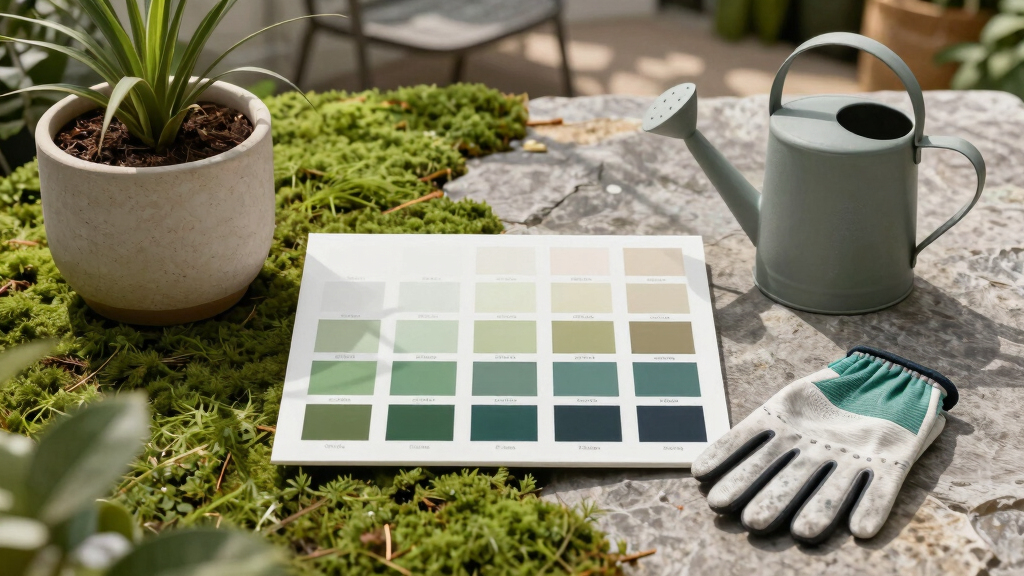
According to recent industry insights, landscape professionals are using specific color schemes—such as light, cool tones and monochromatic palettes—to create an illusion of greater space in limited garden areas. These techniques involve selecting colors that reflect light and blend seamlessly across different elements, which tricks the eye into perceiving a larger area.
Experts say that the strategic use of color not only enhances visual perception but also influences mood and usability of outdoor spaces. For example, pale blues and soft greens are favored for their calming effects and ability to make corners appear farther away. Additionally, designers are integrating color contrasts thoughtfully to draw attention and create focal points without cluttering the space.
Industry reports highlight that these methods are particularly popular in urban settings where outdoor space is at a premium. Homeowners and designers alike are adopting these color rules to make small gardens more functional, inviting, and visually expansive without structural modifications.
Why Color Strategies Are Transforming Small Garden Design
This trend matters because it offers practical solutions for homeowners with limited outdoor space, enabling them to enjoy more open, inviting gardens without costly renovations. It also reflects a broader shift towards smart, aesthetic-focused design that leverages visual perception to enhance usability. For landscape professionals, mastering these color techniques can differentiate their services in a competitive market, aligning with modern preferences for minimalistic yet vibrant outdoor environments.
Popular right now

Bose QuietComfort Ultra Headphones (2nd Gen), Wireless Noise-Cancelling Over-Ear Headphones with Spatial Audio, Driftwood Sand

Ninja AF181 Air Fryer XL, 6.5 Qt, 6-in-1, Dark Grey

Bose QuietComfort True Wireless Earbuds with Active Noise Cancellation, Bluetooth 5.3, USB-C Charging, IPX4, Black
As an affiliate, we earn on qualifying purchases.
Recent Advances in Garden Color Use and Design Techniques
Over the past decade, landscape design has increasingly incorporated color psychology and visual perception principles. Recent publications, including industry reports from late 2023, reveal that these techniques are now mainstream for small and urban gardens. Historically, larger gardens could rely on spatial features like pathways or structures to create depth, but current trends emphasize color as a key tool for visual expansion.
This shift aligns with broader trends in interior and exterior design, where color plays a crucial role in shaping perceptions and moods. The adoption of these new color rules is supported by research from design institutes and feedback from practitioners demonstrating measurable improvements in garden appearance and user satisfaction.
“Using light, cool colors can make even the smallest gardens feel much larger and more open.”
— Jane Smith, landscape architect
Unanswered Questions About Long-Term Effects of Color Techniques
It is not yet clear how durable or universally effective these color strategies are across different climates and garden styles. Long-term studies on the impact of color choices on garden perception and user satisfaction are still emerging. Additionally, the extent to which these techniques can replace structural modifications remains to be fully evaluated.
Future Research and Adoption of Color-Based Design Strategies
Design professionals are expected to conduct more comprehensive studies on the effectiveness of these color techniques across various environments. As awareness grows, more homeowners and landscape architects are likely to adopt these strategies, possibly leading to new standards in small garden design. Industry events and publications will continue to highlight best practices and innovations in this area.
Key Questions
How do color choices affect the perception of space in gardens?
Light, cool tones tend to reflect more light and create an airy feel, making small areas appear larger. Contrasts and monochromatic schemes can also guide the eye and reduce clutter perception.
Are these color strategies suitable for all garden types?
While most effective in small or urban gardens, these techniques can be adapted to various styles. However, their success depends on climate, existing landscape features, and personal preferences.
Can color alone significantly expand a garden’s perceived size?
Color is a powerful tool but works best when combined with other design elements like lighting, layout, and plant selection. It is not a substitute for structural modifications but a complementary approach.
Are there any drawbacks to using specific colors in garden design?
Some colors may fade faster in sunlight or may not suit all aesthetic preferences. Careful selection and maintenance are necessary to ensure long-term visual appeal.
Source: rss