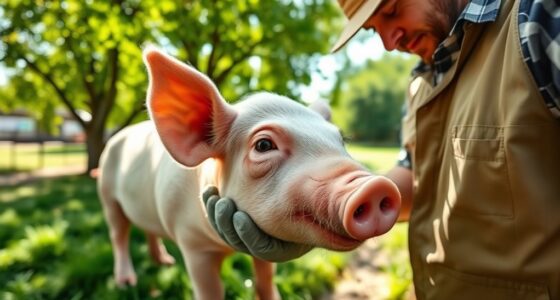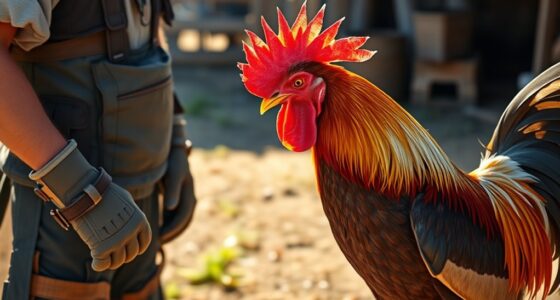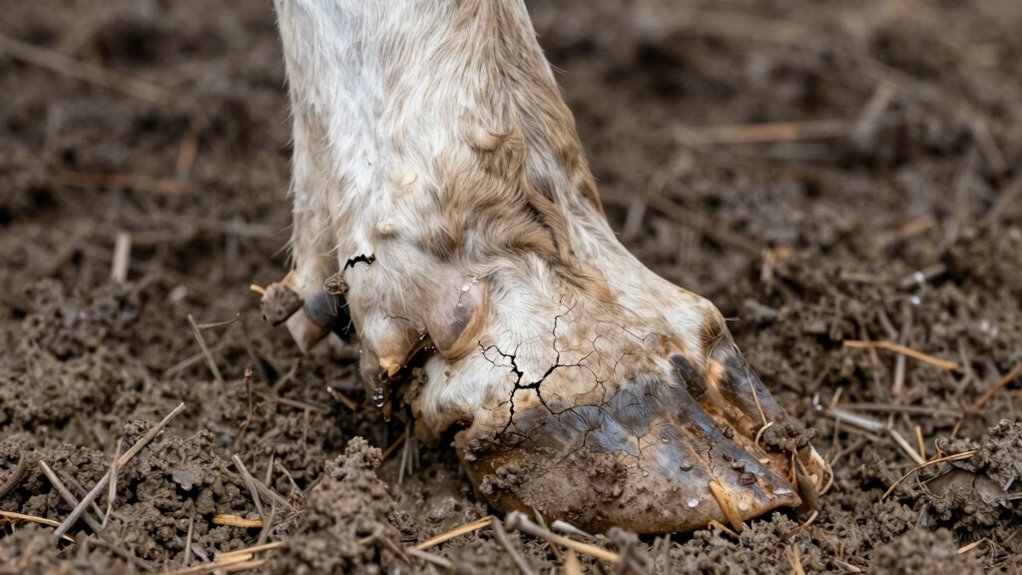

Proper foot care is essential because it keeps your livestock healthy, comfortable, and productive. Neglecting it can lead to infections, lameness, and decreased performance, which increase costs and reduce overall herd resilience. Regular trimming, sanitation, and inspection prevent problems before they become serious. By paying more attention to hoof health, you guarantee your animals move confidently and stay healthier longer. Keep going to discover simple ways to improve your hoof care routine and protect your herd.

Get garden gear delivered free with Prime
- Fast, free delivery on millions of items
- Prime Video, Amazon Music and more included
- Member-only deals all year
Key Takeaways
- Proper foot care prevents infections like foot rot, reducing veterinary costs and herd losses.
- Regular hoof maintenance ensures animals remain comfortable, active, and productive.
- Overgrown or misshapen hooves increase disease risk and impair movement.
- Early detection of hoof issues promotes quicker treatment and prevents severe health problems.
- Prioritizing hoof care enhances overall livestock health, productivity, and long-term resilience.
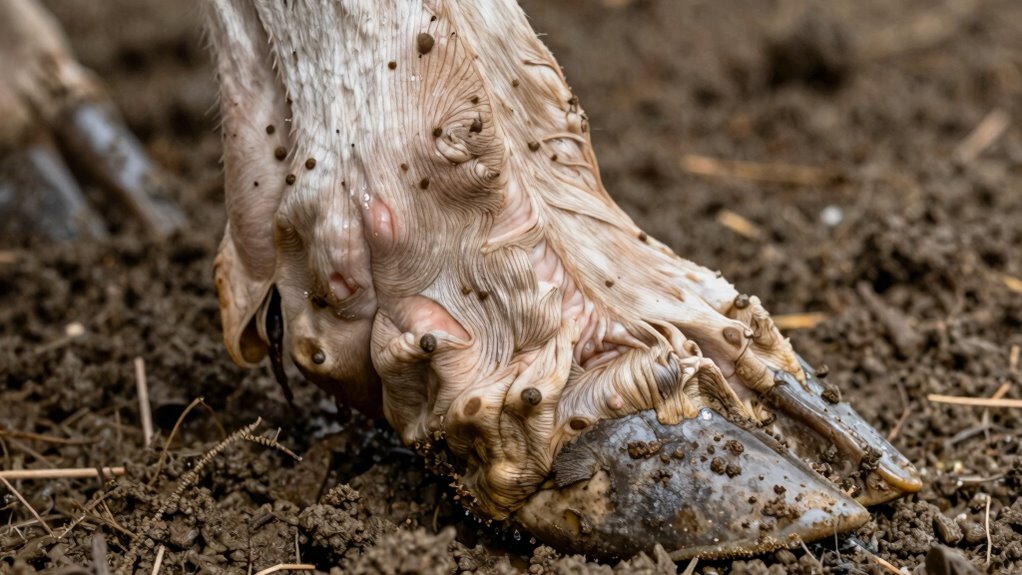
Have you ever considered how essential proper foot care is for your livestock’s health and productivity? Many farmers overlook the importance of regular hoof maintenance, but neglecting it can lead to serious health issues that affect your animals’ well-being and your bottom line. When you prioritize hoof trimming, you’re not just maintaining neat, even hooves—you’re actively preventing disease and ensuring your livestock can move comfortably and confidently. Proper hoof trimming removes excess growth, balances uneven hooves, and reduces pressure points that could cause pain or lameness. By doing this regularly, you prevent the development of cracks, infections, and other conditions that can compromise your animals’ mobility.
Regular hoof trimming prevents disease, improves mobility, and promotes overall livestock health and productivity.
Disease prevention is a key reason to pay close attention to hoof care. Unsanitary conditions, combined with overgrown or misshapen hooves, create the perfect environment for bacterial and fungal infections, such as foot rot or digital dermatitis. These diseases are not only painful but can also spread rapidly among your herd, leading to decreased productivity, increased veterinary costs, and even culling of affected animals. Proper hoof trimming helps remove areas where bacteria and fungi can thrive, reducing the risk of infection and promoting healthier hooves overall. It’s a simple yet effective way to minimize disease outbreaks and keep your livestock healthier for longer periods. Additionally, maintaining biodiversity in your farm environment can help reduce the prevalence of certain pathogens that cause hoof diseases, as diverse environments often support a healthier microbial balance.
Moreover, good hoof health directly impacts your animals’ ability to graze, walk, and perform their daily routines. When hooves are overgrown or misshapen, animals experience discomfort, which can lead to reduced feed intake and lower milk or meat production. Lame animals are less active, less willing to move, and more prone to further injuries. Regular hoof inspections and trimming allow you to catch problems early, before they escalate into more serious issues. A proactive and consistent hoof care routine ensures that problems are addressed promptly, minimizing long-term damage. Developing a comprehensive hoof health plan tailored to your herd can further enhance the effectiveness of your maintenance efforts. A proactive and consistent hoof care routine ensures that problems are addressed promptly, minimizing long-term damage. An understanding of hoof anatomy is crucial for effective maintenance and ensuring the safety of both the animals and the handlers.
You should also recognize that hoof care isn’t a one-time task; it’s an ongoing process that requires consistent attention. Establishing a routine for hoof trimming, along with good sanitation practices, ensures that you maintain optimal hoof health. The more vigilant you are, the better you can spot early signs of trouble and address them swiftly. Ultimately, proper foot care isn’t just about keeping hooves looking good—it’s about safeguarding your livestock’s overall health, comfort, and productivity. By giving hoof trimming and disease prevention the attention they deserve, you’re investing in a healthier, more resilient herd.
hoof trimming tools for livestock
As an affiliate, we earn on qualifying purchases.
As an affiliate, we earn on qualifying purchases.
Frequently Asked Questions
How Often Should Hoof Trimming Be Performed on Livestock?
You should perform hoof trimming every six to twelve months, depending on your livestock’s needs. Use proper hoof trimming techniques to avoid injury and guarantee healthy growth. Regular trimming frequency helps prevent issues like lameness and hoof overgrowth. Keep an eye on your animals’ hooves, and adjust your schedule if you notice signs of discomfort or abnormal wear. Consistent care promotes healthier, happier livestock.
What Are Common Signs of Hoof Disease in Livestock?
Some might think hoof infections are rare, but they’re common signs of hoof disease. Watch for laminitis symptoms like lameness, swelling, or warmth in the hoof. Other signs include foul odor, cracks, or abnormal wear. If you notice any of these, act quickly. Early detection helps prevent worsening issues and guarantees your livestock stays healthy. Regular hoof inspections are essential to catch problems before they escalate.
Can Nutrition Influence Hoof Health?
Yes, nutrition influences hoof health considerably. Nutritional deficiencies, like lacking biotin, zinc, or selenium, can weaken hooves and increase disease risk. Feed supplementation guarantees your livestock gets essential nutrients for strong, resilient hooves. Proper diet supports tissue repair and maintains hoof integrity, reducing problems like cracks or infections. By focusing on balanced nutrition, you help prevent hoof issues and promote healthier, more productive animals.
Are There Natural Remedies for Hoof Problems?
Yes, there are natural remedies for hoof problems. You can try herbal remedies like tea tree oil or calendula to soothe and disinfect affected areas. Home treatments such as soaking hooves in Epsom salt solutions can reduce inflammation and promote healing. Regular cleaning, proper trimming, and using natural antiseptics can help prevent issues. These approaches support hoof health naturally, reducing reliance on chemicals and encouraging quicker recovery.
How Does Climate Affect Hoof Condition?
Climate impact and environmental conditions directly influence hoof health. Wet, muddy, or humid environments soften hooves and promote bacterial growth, increasing the risk of infections and lameness. Conversely, dry, dusty conditions can lead to cracks and splits. You should regularly inspect and adapt hoof care routines based on the climate, ensuring proper drainage, ventilation, and hygiene, to maintain healthy hooves and prevent issues caused by environmental stressors.
Conclusion
Just as the wise shepherd tends to his flock with care, so must you give attention to your livestock’s hooves. Neglect can lead to pain, lameness, and lost productivity—troubles that echo through your herd like a haunting refrain. By prioritizing foot health, you guarantee their steps remain steady and strong, harmonizing the rhythm of your farm’s success. Remember, a well-cared-for hoof is the foundation of a thriving, resilient herd.
Fall yard work Picks
leaf blowers
As an affiliate, we earn on qualifying purchases.