TL;DR
Many gardeners notice pepper plants dropping leaves in August. Experts confirm this is often due to environmental stress, pests, or disease. The article explains causes, significance, and next steps.
Many pepper plants are shedding their leaves in August, a phenomenon confirmed by horticultural experts as a common response to environmental stress, pests, or disease during late summer.
According to plant specialists, leaf drop in pepper plants at this time is often caused by high temperatures, inconsistent watering, or pest infestations such as aphids and spider mites. Disease factors, including bacterial or fungal infections, can also contribute to defoliation. These issues can weaken plants, reduce yields, and increase vulnerability to further stress.
Gardeners have reported seeing significant leaf loss, especially in areas experiencing heatwaves or irregular rainfall. Experts advise monitoring plants carefully, inspecting for pests, and maintaining consistent watering schedules to mitigate damage. It is not yet clear whether specific weather patterns or particular pest outbreaks are the primary drivers across different regions.
Impacts of Late-Summer Leaf Loss on Pepper Yields
This leaf drop can significantly affect pepper plant health and productivity. Reduced foliage impairs photosynthesis, which can lower fruit development and overall yields. For commercial growers, this can translate into economic losses, while home gardeners may see diminished harvests. Understanding the causes helps in implementing targeted interventions to protect crops during vulnerable periods.
As an affiliate, we earn on qualifying purchases.
Recent Trends in Pepper Plant Health During August
Over the past few weeks, horticultural reports indicate an uptick in late-summer leaf drop among pepper plants across several states, including regions with high temperatures and drought conditions. Historically, similar patterns have been linked to environmental stressors or pests becoming more active during late summer. Experts note that this phenomenon is not new but may be exacerbated by changing climate patterns.
Previous years’ data show that timely pest control, proper watering, and shade can reduce severity. However, this year’s unusual weather patterns seem to be intensifying the problem. It remains unclear whether specific regional factors or broader climate shifts are influencing the extent of defoliation.
“Leaf drop in late summer often results from heat stress and inconsistent watering, which weaken the plant’s defenses.”
— Dr. Susan Green, horticultural expert
Factors Influencing the Severity and Spread of Leaf Drop
It is not yet clear whether specific weather patterns or pest outbreaks are the main drivers across different regions. The relative impact of disease versus environmental stress remains under investigation, and regional differences are expected to influence outcomes.Recommended Actions and Monitoring for Gardeners
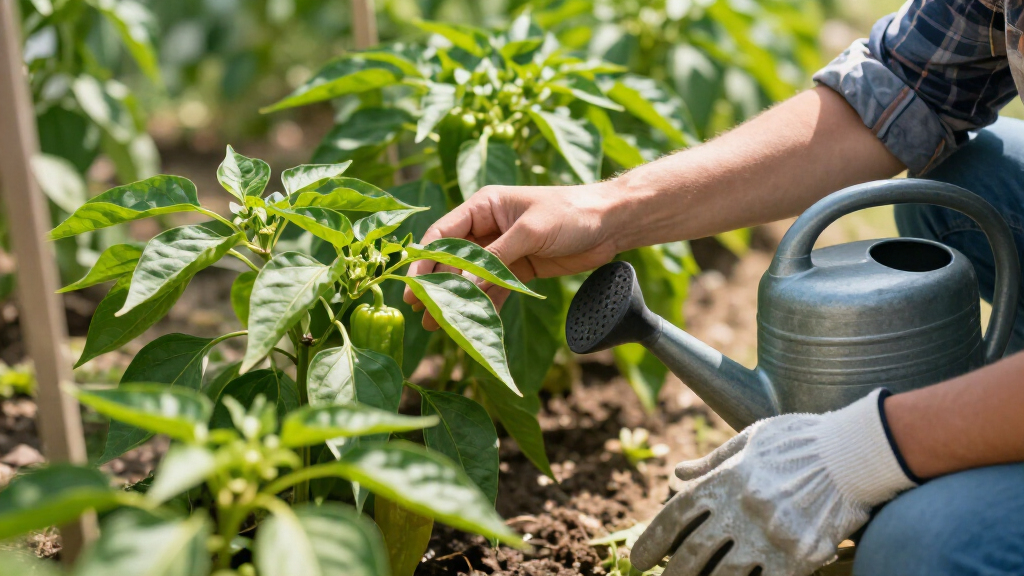
Experts advise gardeners to regularly inspect plants for pests, maintain consistent watering, and provide shade if possible. Ongoing research aims to identify regional risk factors and develop targeted management strategies. Monitoring weather conditions and pest activity will be crucial in preventing further damage.
As the season progresses, horticultural authorities will likely issue updated guidelines on pest control and plant care to mitigate late-summer defoliation.
Key Questions
What are the main causes of pepper leaf drop in August?
The primary confirmed causes include high temperatures, inconsistent watering, pest infestations such as aphids and spider mites, and certain diseases. Environmental stress weakens plants, making them more susceptible to pests and infections.
How can I prevent leaf drop in my pepper plants?
Maintain consistent watering, provide shade during peak heat, regularly inspect for pests, and apply appropriate organic or chemical controls if pests are found. Proper fertilization and good airflow also help keep plants healthy.
Is this leaf loss normal for late summer?
Some leaf drop is typical during late summer due to environmental stress, but excessive or sudden defoliation suggests underlying issues that need addressing. If the problem persists or worsens, consulting local horticultural experts is recommended.
Will my pepper plants recover after losing leaves?
Recovery depends on the cause and severity of damage. Healthy plants with manageable pest issues and proper care can often regrow leaves and produce fruit, but prolonged stress may reduce overall yield.
Source: rss