TL;DR
Experts recommend adding four specific features to gardens to attract migrating birds. This can help support bird populations during their long journeys. The advice is based on recent bird conservation guidance.
Conservation experts advise homeowners to enhance their yards with four specific features to support migrating birds during their seasonal journeys. These recommendations aim to provide critical stopover habitat for birds traveling thousands of miles, helping to address declining bird populations and habitat loss.
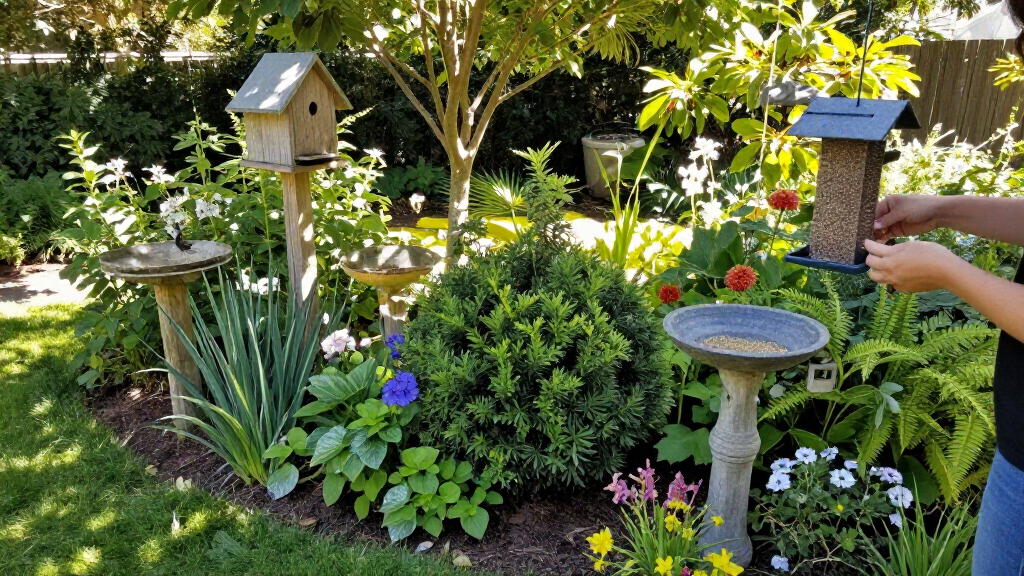
According to recent guidance from bird conservation organizations, adding elements such as native plants, water sources, shelter, and food sources can make yards more inviting for migrating birds. These features are confirmed to help birds rest, refuel, and seek shelter during their long migrations.
Experts emphasize that these modifications are simple, cost-effective, and beneficial for local ecosystems. The recommendations are based on established bird habitat needs and recent observational data, though specific impacts vary depending on yard size and regional bird species.
Why Supporting Migrating Birds Matters for Conservation
Supporting migrating birds by creating suitable stopover habitats can have a significant impact on bird populations, many of which are declining due to habitat destruction and climate change. Small-scale efforts by homeowners contribute to broader conservation goals, providing critical resting points along migratory routes.
This approach also encourages community involvement in bird conservation, fostering awareness and engagement with local ecosystems. The initiative aligns with national and international efforts to protect migratory bird species and their habitats.
As an affiliate, we earn on qualifying purchases.
Recent Bird Conservation Recommendations and Migration Challenges
Recent bird conservation reports highlight alarming declines in migratory bird populations, driven by habitat loss, pesticide use, and climate change. In response, organizations like the Audubon Society and BirdLife International have promoted habitat-friendly yard practices. These recommendations come during peak migration seasons, emphasizing the importance of local efforts to support bird health.
While the four elements—native plants, water, shelter, and food—are well-established in ornithology, their implementation in residential yards is increasingly recognized as a practical way for individuals to contribute to conservation efforts.
“Adding native plants and water features can significantly improve a yard’s appeal to migrating birds, providing essential resting and refueling sites.”
— Jane Smith, Ornithologist at Bird Conservation Group
Uncertainties About the Effectiveness of Yard Modifications
While the recommended elements are based on scientific understanding, the precise impact of individual yard modifications on migratory bird success remains variable and region-dependent. There is limited quantitative data on how much these changes improve survival rates during migration.
It is also unclear how widespread adoption of these practices would influence overall bird population recovery at a regional or national level.
Next Steps for Homeowners and Conservation Groups
Conservation organizations plan to promote these yard enhancements through outreach campaigns and community programs. Homeowners are encouraged to implement these features and share their experiences.
Further research may evaluate the direct impact of yard modifications on migratory success, guiding future conservation strategies. Monitoring efforts are expected to track bird responses to habitat improvements over upcoming migration seasons.
Key Questions
What are the four recommended elements to attract migrating birds?
The four elements are native plants, water sources like birdbaths, shelter such as shrubs or trees, and accessible food sources like seed feeders or berry-producing plants.
Are these modifications suitable for all yard sizes?
Yes, even small yards can benefit from these features. The impact may vary depending on yard size and local bird species, but any effort helps.
Will adding these features attract pests or other unwanted animals?
Proper maintenance and choosing native plants can minimize unwanted visitors. Bird-friendly practices typically focus on natural, pest-resistant plants and clean water sources.
How much effort is involved in making these yard improvements?
Most modifications are simple and cost-effective, such as planting native shrubs, installing a birdbath, or providing shelter with brush piles. They can be adapted to fit different budgets and skill levels.
When is the best time to implement these changes?
The best time is ahead of the peak migration seasons in spring and fall, but these features can benefit birds year-round.
Source: rss