
TL;DR
Hosta leaves turning brown can result from various issues, including pests, disease, or environmental stress. This article explains how to identify the cause and provides immediate solutions to save your plants.
Many gardeners are noticing their hosta leaves turning brown, raising concerns about plant health. Experts confirm that this discoloration can stem from multiple causes, including pests, disease, or environmental stress, and addressing it promptly is essential to prevent plant loss.
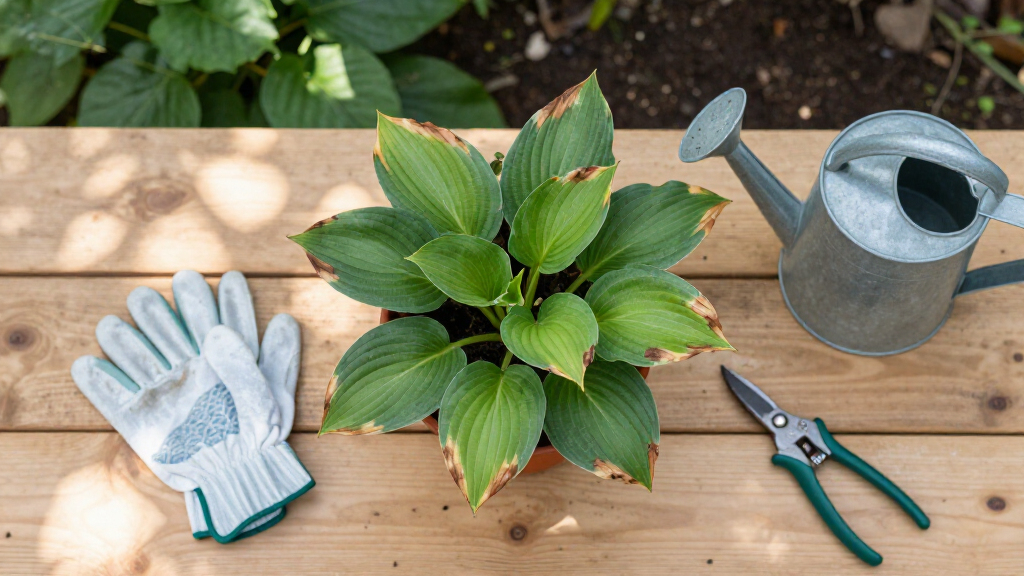
Confirmed reports indicate that browning leaves are a common issue affecting hosta plants during the growing season. The primary causes include water stress, pests like slugs and aphids, fungal infections such as leaf spot, and environmental factors like sun scorch or drought. Gardeners are advised to inspect their plants closely to determine the specific cause.
For instance, if browning is localized at the edges, it may suggest sun damage or dry soil, while widespread browning could indicate disease or pest infestation. Immediate steps include watering thoroughly, removing affected leaves, and applying appropriate treatments such as fungicides or pest control measures. Experts emphasize that early intervention can often save the plant from further damage.
Impact of Browning Leaves on Hosta Health
The browning of hosta leaves is more than an aesthetic issue; it can signal underlying health problems that, if left unaddressed, may lead to plant decline or death. Recognizing and treating the cause promptly helps maintain a healthy, vigorous hosta, which is valued for its foliage and landscape appeal. Additionally, understanding these issues can prevent future outbreaks and improve overall garden management.
As an affiliate, we earn on qualifying purchases.
Common Causes of Browning in Hostas
Hostas are shade-loving perennials that thrive under specific conditions. However, they are susceptible to several stressors. Watering issues — either overwatering or drought — can cause leaf browning. Pests such as slugs and aphids often feed on hosta foliage, leading to damage. Fungal diseases like leaf spot and rust also cause browning patches, especially in humid conditions. Environmental factors, including intense sun exposure or wind damage, can further stress plants, resulting in browning edges or spots.
Gardeners have reported increased cases of browning during hot, dry spells or in poorly drained soils. Recognizing the pattern of damage and the plant’s environment helps in diagnosing the problem accurately.
“Early detection and targeted treatment are key to saving hostas with browning leaves. Inspecting for pests, disease signs, and environmental stressors can guide effective action.”
— Dr. Susan Miller, Horticultural Expert
Unclear Causes and Variable Plant Responses
While many causes of browning are identifiable, some cases involve multiple factors or less common issues, making diagnosis challenging. It is not yet clear whether certain treatments are universally effective across all causes, and some plants may respond differently based on their health and environment. Further research is needed to refine treatment protocols for complex cases.
Next Steps for Gardeners and Researchers
Gardeners are advised to conduct thorough inspections of affected plants, adjusting watering routines, removing damaged leaves, and applying appropriate treatments based on the suspected cause. Researchers are exploring more precise diagnostic tools and environmentally friendly control options to better address browning issues. Continued observation and documentation will help improve treatment effectiveness over time.
Key Questions
How can I tell if my hosta’s browning is caused by pests or disease?
Inspect the affected leaves closely for signs of pests like slugs, aphids, or fungal growth such as spots or mold. Pests often leave visible damage or residue, while fungal infections may appear as distinct spots or discoloration with fuzzy or powdery textures. Consulting a local garden center or extension service can help with accurate diagnosis.
What immediate steps should I take if my hosta leaves start browning?
Remove the affected leaves to prevent spread, ensure proper watering—neither too much nor too little—and apply appropriate treatments such as fungicides for fungal issues or organic pest controls for pests. Providing adequate shade and avoiding environmental stress can also help recovery.
Can browning leaves be reversed or is removal the only option?
In many cases, early intervention can reverse browning, especially if caused by water stress or pests. However, if the damage is extensive or caused by persistent disease, removal of severely affected foliage may be necessary to protect the overall health of the plant.
Are there preventative measures to avoid browning in hostas?
Yes, proper site selection with partial shade, consistent watering, good soil drainage, and regular pest monitoring can prevent many causes of browning. Applying mulch and maintaining healthy plant vigor also reduce susceptibility to stress and disease.
Source: rss