
TL;DR
Prime for Young Adults — start your free trial
Fast free delivery, streaming and member deals for eligible 18–24 year olds.
Try it freeAs an affiliate, we earn on qualifying purchases.
A new gardening trend suggests using six common food scraps to enrich soil naturally. Experts confirm these scraps can enhance soil fertility, but full scientific validation remains ongoing. This approach offers an eco-friendly alternative for gardeners seeking sustainable practices.
Recent social media and gardening community discussions highlight a growing trend: using six common food scraps to enrich soil naturally. Experts confirm that scraps such as coffee grounds, banana peels, and vegetable scraps can offer benefits, but comprehensive scientific validation is still in progress. This trend matters because it presents a sustainable, low-cost method for gardeners to improve soil fertility and reduce waste.
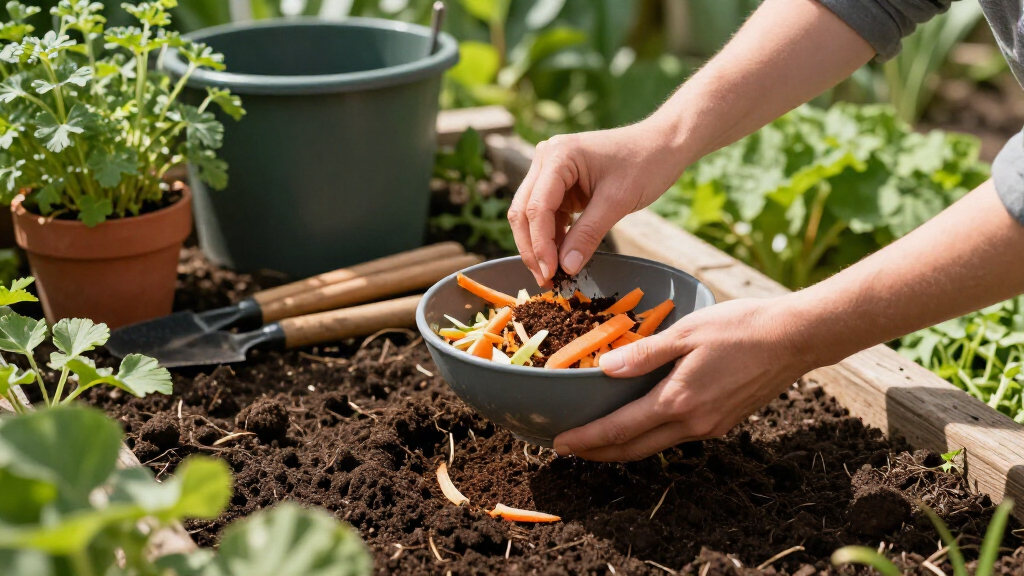
According to gardening trend reports, six specific food scraps are being promoted for soil enhancement: coffee grounds, banana peels, eggshells, vegetable peels, tea bags, and fruit scraps. These items are claimed to add nutrients, improve soil structure, and promote microbial activity. While anecdotal evidence and preliminary studies support some benefits, full scientific research is limited, and experts caution that results may vary depending on soil type and climate.
Proponents suggest that coffee grounds and banana peels can supply nitrogen and potassium, essential for plant growth. Eggshells are believed to add calcium, which can help prevent blossom-end rot in tomatoes. Vegetable peels and fruit scraps are considered organic matter that can enhance soil organic content when composted properly. However, some claims, such as the ability of tea bags to boost soil health, are based on user reports rather than peer-reviewed research.
Environmental advocates highlight that repurposing kitchen waste aligns with sustainable gardening practices by reducing landfill waste and decreasing reliance on chemical fertilizers. Many gardening influencers and online forums are sharing tips and success stories, fueling the trend’s popularity. Still, experts emphasize that proper composting and moderation are key, as some scraps may introduce pests or pathogens if not handled correctly.
Why Foodie Food Scraps Could Change Gardening Habits
This trend could influence how home gardeners and small-scale farmers approach soil management, favoring natural, waste-reducing methods over synthetic fertilizers. If validated through further research, using kitchen scraps could provide an accessible, eco-friendly way to boost soil fertility, especially in urban or resource-limited settings. It also encourages more sustainable waste practices, reducing organic waste in landfills and promoting circular gardening economies.
However, reliance on unverified claims might lead to inconsistent results or unintended issues like pest attraction or nutrient imbalances. Therefore, while promising, this approach should be adopted with caution and as part of a broader soil management plan.
organic coffee grounds for garden soil
As an affiliate, we earn on qualifying purchases.
As an affiliate, we earn on qualifying purchases.
Growing Interest in Sustainable Gardening Practices
The use of kitchen scraps in gardening is part of a broader movement toward sustainable, organic, and waste-reducing practices. This trend has gained momentum through social media platforms, gardening blogs, and community forums, where users share success stories and tips. The surge in interest coincides with increased environmental awareness and the desire for cost-effective gardening solutions.
Historically, composting has been the primary method for recycling organic waste into soil amendments. The current focus on specific food scraps as direct soil enhancers is a newer development, driven by anecdotal reports and preliminary studies suggesting potential benefits. While some scientific research supports the nutritional value of certain scraps like coffee grounds and eggshells, comprehensive, peer-reviewed studies are still emerging.
Experts note that the trend’s popularity may be amplified by social media influencers and gardening communities eager to share innovative, eco-friendly practices. Nonetheless, the scientific community continues to evaluate the effectiveness and safety of using these scraps directly in soil without composting, raising questions about best practices and long-term impacts.
Unverified Claims and Scientific Validation Pending
While anecdotal and preliminary studies suggest benefits, comprehensive scientific research confirming the effectiveness and safety of using these food scraps directly in soil is still underway. Some claims, particularly about the impact of tea bags and fruit scraps, are based on user reports rather than peer-reviewed evidence. It remains unclear how these practices perform across different soil types and climates, and whether they might introduce pests or pathogens if not managed properly.
Further Research and Practical Guidelines Expected
Scientists and horticulturists are expected to conduct controlled studies to evaluate the long-term impacts of these food scraps on soil health. Meanwhile, gardening organizations and environmental groups are likely to develop best practice guidelines to help practitioners adopt these methods safely and effectively. As the trend continues to grow, more detailed advice and scientific validation should become available in the coming months.
Key Questions
Can I use food scraps directly in my garden soil?
While some scraps like coffee grounds and eggshells can be used directly or added to compost, experts recommend proper composting to avoid pests or pathogens. Always handle scraps carefully and consider local soil conditions.
Which food scraps are most beneficial for soil health?
Commonly recommended scraps include coffee grounds, banana peels, eggshells, vegetable peels, and fruit scraps. These can provide nutrients like nitrogen, potassium, and calcium when used appropriately.
Are there risks associated with using kitchen scraps in soil?
Yes, improper use or handling can attract pests, introduce pathogens, or cause nutrient imbalances. Proper composting and moderation are advised to mitigate these risks.
How soon can I expect to see benefits from using food scraps?
Benefits depend on the type of scraps used, soil conditions, and gardening practices. Improvements in soil fertility may become noticeable over several weeks to months when integrated into regular composting or mulching routines.
Source: rss
NFL season / tailgating Picks
team gear
As an affiliate, we earn on qualifying purchases.