TL;DR

Get garden gear delivered free with Prime
- Fast, free delivery on millions of items
- Prime Video, Amazon Music and more included
- Member-only deals all year
Homes & Gardens reports that gardeners can make a brush pile from fallen branches, twigs and other woody debris to offer wildlife shelter and foraging habitat ahead of winter. The source describes a simple approach, but gives no measured evidence of how many animals a pile will attract or how much protection it provides.
Homes & Gardens has reported that gardeners can turn gathered branches, twigs and other woody debris into a brush pile, a loose shelter that may give birds, small mammals and insects places to hide and forage as colder weather approaches. The report presents the project as a quick way to reuse fall garden cuttings, while noting that a suitable quiet, sheltered location and open spaces within the pile are part of the design.
A brush pile is an informal heap of woody garden material, rather than a structure that needs a frame or a fixed shape. The report says cavities and tunnels between the branches can offer wildlife shelter from wind and frost. Insects using the material may also provide a source of food for birds. The source names birds, squirrels, chipmunks, overwintering insects and amphibians among the animals that may use this kind of habitat.
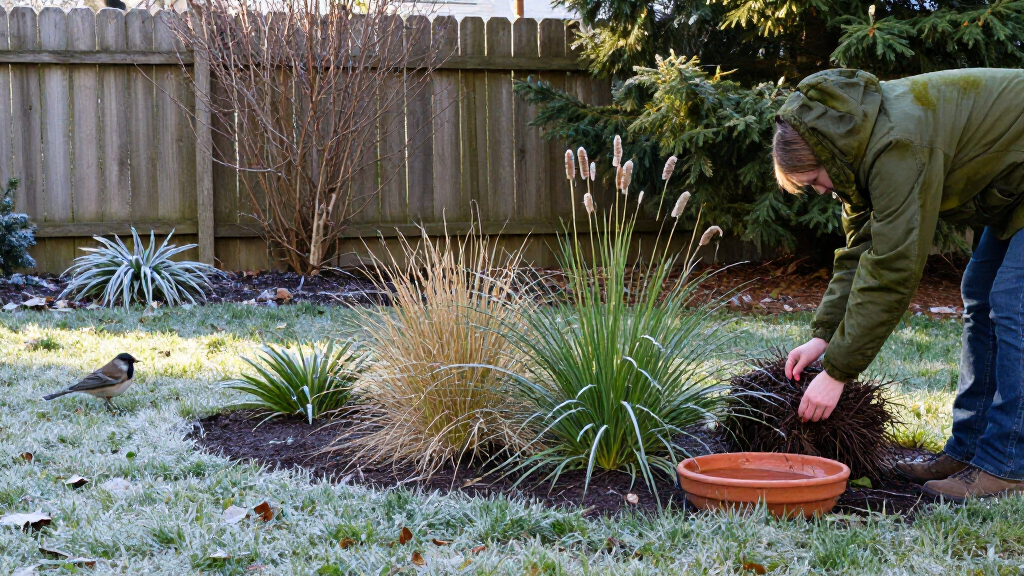
To make one, choose a quiet, sheltered spot, such as beneath a tree or beside a hedge that can act as a windbreak. Place larger branches at the bottom to lift some of the material from damp ground and leave passages beneath. Add smaller branches and twigs in crossed layers, keeping the heap loose enough to leave gaps and entrances rather than packing it tightly. Dry leaves can add cover, but the report advises retaining openings.
The article also recommends leaving nearby fallen leaves and plant seedheads in place rather than tidying the whole area. Those features can extend the habitat around the pile. Gardeners may use some cuttings for compost instead; the report does not suggest that all garden debris should go into the habitat.
A Second Use for Fall Cuttings
The idea matters to gardeners because it combines waste reduction with habitat creation: branches and twigs that might otherwise be removed can be left in a designated corner of the yard. The project also requires no purpose-built shelter, according to the report, making it an accessible option for people with suitable garden space and material on hand.
For wildlife, the potential benefit is a mix of cover and foraging opportunities during colder months. A brush pile is not a substitute for broader habitat or a guarantee that animals will move in. Its value depends on conditions at the site, including available food, shelter and disturbance. The source offers practical guidance, not measured findings on wildlife numbers or survival.
As an affiliate, we earn on qualifying purchases.
How the Pile Fits Winter Gardening
The Homes & Gardens report frames the project as a task to complete before frost arrives, giving wildlife time to encounter the shelter before the coldest conditions. It describes a brush pile as similar in purpose to a dead hedge, but less formal and not necessarily contained within a structure.
The recommendation sits alongside other garden practices mentioned in the report: retaining seedheads, leaving some fallen leaves and providing bird feeders. These are presented as additional ways to make a yard more useful to wildlife, not as requirements for building the pile. The source also points readers to guidance on winter wildlife feeding and native plants, but does not provide detailed species-specific instructions in the material supplied.
“A brush pile is a loose heap of cuttings, twigs, branches, and other woody garden debris.”
— Homes & Gardens report
What the Report Does Not Measure
The supplied report does not give field data, a recommended pile size or a minimum amount of material. It also does not quantify how much warmer or safer the shelter is than surrounding cover, or how often particular species use one. The wildlife listed are potential users, not a confirmed inventory of animals that will appear in any garden.
Results will depend on local conditions, including the surrounding habitat and whether animals can reach the site. The source does not provide detailed guidance on local wildlife regulations, fire risk or how to manage a pile if unwanted pests appear. Gardeners should follow applicable local advice and avoid disturbing wildlife once the habitat is in use.
Build Before Cold Weather
The immediate step in the report is to select a quiet site and arrange available branches before frosty days arrive. Keep the structure loose, retain entry gaps and avoid repeated disturbance. Gardeners can leave nearby seedheads and some fallen leaves to provide additional cover, while using other suitable material for compost.
The source identifies no formal follow-up study or later milestone. Whether a pile attracts wildlife will become apparent only over time, and the report provides no timetable for checking it. Any inspection should be limited and careful, particularly once animals may be sheltering inside.
Key Questions
What is a brush pile?
It is a loose heap of branches, twigs and woody garden debris that can create sheltered spaces and potential foraging habitat for wildlife.
Where should I put one?
The report recommends a quiet, sheltered location, such as under a tree or beside a hedge. A less disturbed area may be more suitable for wildlife.
How should I arrange the branches?
Put larger branches at the bottom, then cross smaller material over them. Keep the pile loose and open so it has cavities, routes through it and entrances.
Which animals might use a brush pile?
The report lists birds, squirrels, chipmunks, insects and amphibians as possible users. It does not guarantee that any particular species will use a specific pile.
Does a brush pile need to replace other winter wildlife measures?
No. The report describes it as one possible habitat feature and also mentions retaining fallen leaves and seedheads. It does not present the pile as a replacement for other suitable food or habitat.
Source: rss
Fall yard work Picks
leaf blowers
As an affiliate, we earn on qualifying purchases.