To effectively document farm improvements over time, use a mix of digital tools like farm management software or spreadsheets to record dates, methods, and results, along with visual photos to capture changes. Consistently update your notes on soil health, pest control, and crop practices to identify patterns and adjust strategies. Regular documentation helps you track land development and optimize practices for sustainable farming. Stick with these methods to discover deeper insights into your farm’s evolution.

Get garden gear delivered free with Prime
- Fast, free delivery on millions of items
- Prime Video, Amazon Music and more included
- Member-only deals all year
Key Takeaways
- Use consistent digital records, such as farm management software or spreadsheets, to track dates, methods, and results.
- Incorporate visual documentation like photos to capture physical changes and enhance written records.
- Regularly update records to identify trends and evaluate the effectiveness of farm practices over time.
- Document soil and pest management details, including amendments, crop rotations, and control methods.
- Analyze accumulated data to inform decisions, optimize practices, and support sustainable land development.

Keeping track of farm improvements over time is essential for managing your land effectively and making informed decisions. When you document changes, you gain a clear picture of what’s working and what needs adjustment. This is especially true when it comes to soil health and pest management. Healthy soil is the foundation of a productive farm, and tracking how your practices impact soil quality helps you optimize crop yields and sustainability. Similarly, keeping records of pest control measures allows you to evaluate their effectiveness and avoid unnecessary chemical use, protecting both your crops and the environment.
Tracking farm improvements helps optimize soil health and pest control for a more sustainable, productive farm.
To start, establish a consistent system for recording your farm improvements. You might use digital tools like farm management software or simple spreadsheets, but whatever method you choose, consistency is key. Record dates, methods, and results of any soil amendments or fertilization. Note changes in soil composition, moisture levels, or organic matter content, and observe how these modifications influence plant growth. For pest management, document the types of pests encountered, the methods used to control them, and the outcomes. This way, you’ll see patterns emerge, revealing which strategies are most effective for your farm’s specific conditions.
Regularly updating these records isn’t just about keeping a history; it’s about creating a feedback loop. When you add compost or cover crops, note the immediate and longer-term effects on soil health. If you introduce crop rotations or new pest control techniques, track their success over multiple seasons. Over time, you’ll notice trends that can inform your future decisions—like which soil amendments boost crop resilience or which pest management practices reduce chemical dependence. This ongoing documentation helps you refine your approach, saving money and reducing environmental impact. Additionally, understanding the importance of soil health can motivate more sustainable and natural practices on your farm. Recognizing how different practices influence soil quality reinforces the value of consistent monitoring. Incorporating soil science principles into your records can deepen your understanding of these dynamics.
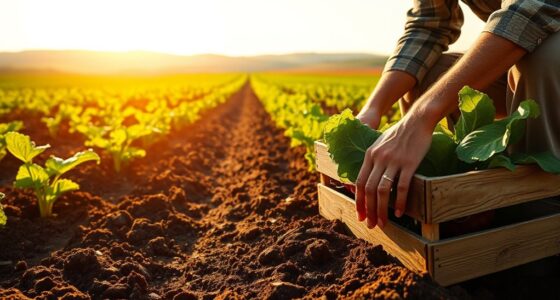
Another valuable aspect is visual documentation. Take photos of your fields before and after improvements, or when pest issues arise. Visuals complement your written records and can reveal subtle changes in soil or plant health that might not be immediately obvious. Visual documentation, combined with detailed notes, creates a comprehensive record that’s easy to review and analyze. Over the years, this documentation becomes a powerful tool for evaluating your land’s evolution, guiding you toward practices that promote soil vitality and effective pest control. As you develop a comprehensive record, consider how soil management practices can be optimized based on your observations. Incorporating visual records enhances your ability to identify trends and make informed adjustments.
As an affiliate, we earn on qualifying purchases.
Frequently Asked Questions
What Digital Tools Are Best for Farm Documentation?
You should use digital tools like farm management software or mobile apps that track crop rotation and soil health. These platforms help you easily record and analyze data over time, ensuring you maintain ideal soil conditions and crop schedules. With real-time updates and easy sharing options, you can monitor improvements, make informed decisions, and document your farm’s progress efficiently, ultimately boosting productivity and sustainability.
How Often Should I Update My Farm Improvement Records?
You should update your farm improvement records at least quarterly, especially after significant activities like crop rotation or soil health improvements. Regular updates help you track changes, identify trends, and plan future actions effectively. Incorporate details about soil amendments, crop cycles, and equipment upgrades. Staying consistent guarantees your records reflect current conditions, making it easier to optimize crop yields, maintain soil health, and adapt your farm management strategies over time.
Can Visual Records Replace Written Documentation?
Visual records can’t fully replace written documentation like handwritten logs, but they’re great for visual storytelling. Photos and videos capture changes over time and can complement your written logs, making it easier to see progress. Use both methods together: keep detailed handwritten logs for specifics and dates, and add visual records to provide context. This combined approach ensures an extensive, clear history of your farm improvements.
How Do I Organize Historical Farm Data Effectively?
To organize your historical farm data effectively, start by creating a dedicated digital or physical logbook. Record crop rotation schedules, soil health metrics, and other key practices annually. Use clear categories and timestamps to track changes over time. Incorporate photos and maps for visual context. Regularly update your records, and back them up. This approach helps you identify trends, improve practices, and make informed decisions for sustainable farming.
What Are Common Mistakes in Documenting Farm Progress?
A common mistake is neglecting to regularly update records, especially soil analysis results and equipment maintenance logs. You might focus only on harvest yields, overlooking how soil health changes or equipment upgrades impact progress. Failing to document these details consistently can lead to gaps in understanding your farm’s development. Make sure to track soil tests and maintenance activities diligently, ensuring thorough records that support informed decisions over time.
Conclusion
By documenting your farm improvements, you’re planting seeds for future growth, nurturing a legacy that blossoms with each passing season. Think of your records as a sturdy oak tree—its rings tell the story of your dedication and progress. Over time, these symbols of effort remind you of how far you’ve come, inspiring confidence and guiding your next steps. Keep recording, and watch your farm’s story flourish like a well-tended garden, vibrant and full of promise.
Halloween Picks
halloween
As an affiliate, we earn on qualifying purchases.