
TL;DR

Get garden gear delivered free with Prime
- Fast, free delivery on millions of items
- Prime Video, Amazon Music and more included
- Member-only deals all year
A Gardening Know How contributor describes a fall trench-composting routine that buries chopped kitchen scraps and a few optional additions in empty garden beds. The approach needs no compost bin, but it is presented as a personal soil-improvement method, not a tested formula; the source says scraps should be buried deeply and kept away from beds slated for immediate planting.
A Gardening Know How contributor has described a fall method for putting kitchen scraps to use without a compost bin: bury a modest, chopped mixture in an empty garden bed and let it break down over winter. The account presents the approach as a personal soil improver, not a scientifically tested six-ingredient formula, and advises covering food waste with soil to reduce the chance of attracting animals.
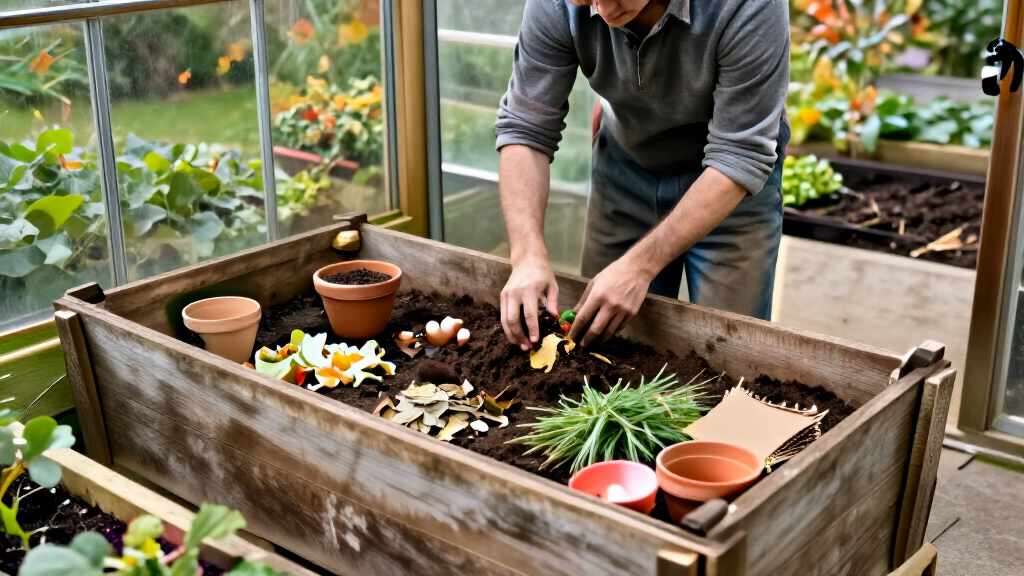
The contributor’s mix uses fruit and vegetable scraps, used coffee grounds, crushed eggshells, plain rolled oats, cinnamon and, when available, a splash of flat beer. The source says gardeners can leave out ingredients they do not have, but characterizes the combination as an informal recipe rather than a precise or essential formula. It recommends avoiding meat, fish, bones, dairy, and scraps coated in oil, sauce or dressing.
For each batch, the writer uses about one cup of coffee grounds, shells from a couple of eggs, roughly a quarter-cup of oats and about half a teaspoon of cinnamon. Flat beer is optional, at around half a cup; the contributor says they would not open a bottle specifically for the purpose because its effect is uncertain. Larger scraps are chopped into pieces about one inch long, and the coffee grounds are cooled before being mixed in.
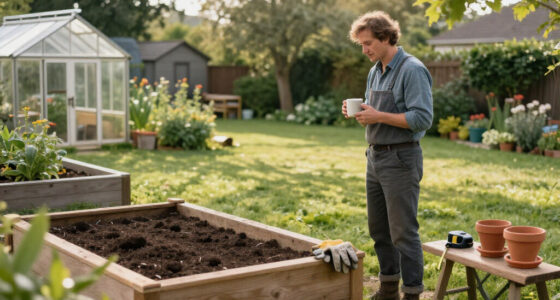
The method is to dig a trench about 12 to 18 inches deep in an empty bed, add the scraps, mix them with some soil and refill the trench. The contributor recommends at least six to eight inches of soil above the buried material. As a rough guide, the report suggests about one gallon of mixed scraps for a four-by-four-foot bed, spread along a short trench—not a single large deposit across the whole bed.
A Bin-Free Option for Empty Beds
The method offers gardeners a way to reuse some household food waste without maintaining a separate compost bin. Burying the material directly in an unused bed also puts it where the contributor intends it to break down, avoiding the need to move finished compost later. The report says the scraps are left in place over winter, ahead of spring planting.
That convenience comes with practical limits. The advice is specifically for empty beds, not areas where food waste could disturb established roots or where planting is imminent. The contributor stresses small batches, chopping scraps and covering them thoroughly. These are recommendations from the report’s author; the source does not provide a controlled comparison showing how quickly the mixture decomposes or how much it changes soil conditions.
The six-item list may sound like a fixed recipe, but the account’s own framing is more flexible: the scraps are the main component, while several other additions are optional. The writer particularly cautions against treating cinnamon, eggshells or beer as reliable solutions to garden problems. That distinction matters for readers deciding whether the method is a convenient way to handle scraps or a substitute for evidence-based soil amendments.
As an affiliate, we earn on qualifying purchases.
How the Fall Method Works
The report describes a routine repeated through fall: the contributor collects suitable scraps in a kitchen caddy, empties it into a shallow trench every few days, then uses another spot in the bed. The process continues until the ground freezes. The scraps are mixed with soil and buried, rather than left exposed on the surface.
The writer says small pieces are easier to mix into soil and may break down more readily. Coffee grounds are included in moderation, with the source noting that they need time to decompose before planting. Eggshells contain calcium but break down slowly, so the contributor does not describe them as a quick calcium treatment. Cinnamon is included in a small quantity, though the report says it should not be relied on to resolve an existing pest or fungal problem.
To balance the moist scraps, the contributor sometimes adds shredded leaves, which the report describes as a source of carbon, and a small amount of fresh grass clippings. These are optional additions mentioned in the source, not required parts of the six-ingredient list. The available source text ends while discussing grass clippings, so it does not provide further detail on their quantity or use.
““You don’t need every ingredient in my mix; simply leave out anything you don’t have.””
— Gardening Know How contributor
The Recipe’s Results Are Unmeasured
The report is a contributor’s account and does not cite trials or soil tests establishing that this exact mixture improves soil, or measuring the results over winter. It also gives no quantified outcome for decomposition time, nutrient levels or plant growth. The writer explicitly says the effect of beer is not known and cautions that coffee grounds and eggshells need time to break down.
It is also unclear how the method performs in different climates, soil types or beds with different drainage. The source gives a rough amount per bed but calls it a guide rather than a rule. Readers should not interpret the ingredient list as proof that oats stimulate roots, cinnamon acts as an effective soil fungicide, or eggshells control slugs; the report describes these as commonly discussed uses and says not to rely on them as remedies.
Use the Method Before Spring Planting
In the account, the next step is practical rather than a scheduled follow-up: keep adding suitable scraps in small batches through fall, bury them in unused sections of a bed, and stop when the ground freezes. The material is then left in place over winter. The report does not specify a date for planting or promise that the scraps will be fully decomposed by spring.
Gardeners following the approach should keep food waste covered, avoid digging near established plants and skip beds intended for immediate planting, as the source advises. The report does not announce further testing or a later update, so the actual results in any particular garden remain something growers would need to observe themselves.
Key Questions
Does this fall soil method require a compost bin?
No. The Gardening Know How contributor describes burying scraps directly in a garden-bed trench and letting them break down in place. A kitchen caddy is used for collection, but a compost bin is not required.
What ingredients does the contributor use?
The six listed additions are fruit and vegetable scraps, used coffee grounds, crushed eggshells, plain rolled oats, cinnamon and optional flat beer. The writer says the recipe is not strict and that ingredients can be left out.
How deep should the scraps be buried?
The report suggests digging a trench about 12 to 18 inches deep and covering the scraps with at least six to eight inches of soil. It advises mixing the waste with some soil and keeping it fully covered.
Can the mixture go into a bed that is already planted?
The contributor advises against digging near established plants because their roots could be disturbed. The method is intended for empty beds, not beds where planting is planned immediately.
Has the six-ingredient recipe been shown to improve soil?
The source presents a personal gardening method and does not report controlled tests, soil measurements or quantified plant-growth results. The contributor also says the effect of adding beer is unknown, so the recipe’s results are not established by the report.
Source: rss
Halloween Picks
halloween
As an affiliate, we earn on qualifying purchases.