TL;DR
Whether dahlias need to be lifted this fall depends mainly on local winter conditions. The gardening guidance cited by Country Living recommends digging and storing tubers in USDA Zones 7 and colder, while gardeners in Zones 8–10 may be able to leave them outdoors in well-drained soil under thick mulch.
Dahlia tubers should generally be dug up before winter in USDA Plant Hardiness Zones 7 and colder, where frozen ground can damage them, while gardeners in Zones 8 through 10 may be able to leave them in place if soil drains well and the plants receive a thick layer of mulch. The guidance, reported by Country Living, makes local climate and garden conditions the deciding factors for protecting next year’s plants.

Get garden gear delivered free with Prime
- Fast, free delivery on millions of items
- Prime Video, Amazon Music and more included
- Member-only deals all year
Dahlias are native to Mexico and Central America and are not winter-hardy where the ground freezes, according to the report. Tubers left in cold soil may split when they freeze; overly wet conditions can also cause them to rot. In warmer regions, leaving the clumps in the ground is an option, but it is not a guarantee of survival: the report identifies well-drained soil and thick mulch as important protections.
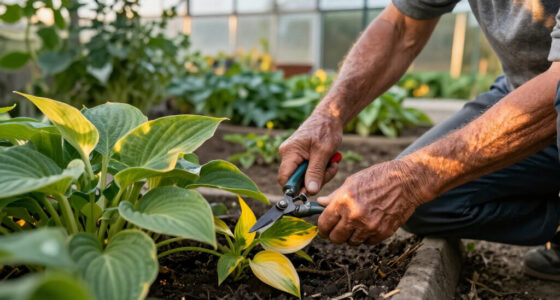
For gardeners who need to lift their plants, the recommended timing is after a light frost or two, once foliage has turned brown or yellow and the plant has started to go dormant. The tubers should be removed before the ground freezes. After frost has blackened the leaves, cut the stems about four to six inches above the soil. Waiting for the foliage to die back naturally allows the plant to transfer energy to the tubers, the report says.
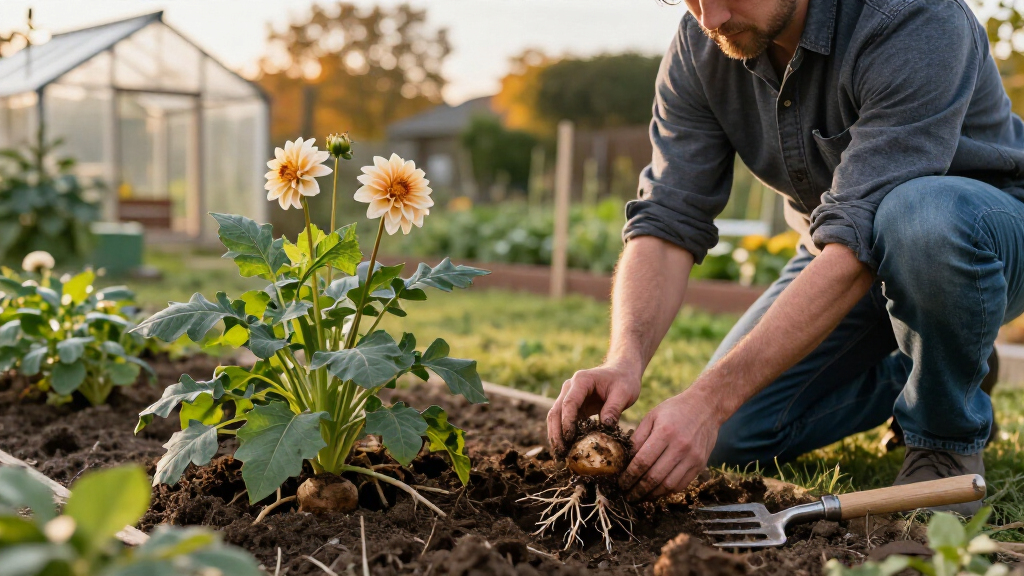
To lift a clump, gently loosen soil with a garden fork or spade about a foot from the stem, working around the plant to avoid piercing the tubers. After lifting it, remove excess soil and brush the tubers clean. Let them cure for several days to a week in a warm, well-ventilated place, away from direct sunlight and concrete, then pack them in a box, paper bag or crate with slightly damp peat moss, vermiculite or wood shavings. Label varieties and store them in a cool, dark, frost-free place at about 40° to 55°F.
How Winter Conditions Shape the Choice
The decision affects whether gardeners can expect the same dahlia clumps to return next season. Leaving tubers in freezing ground risks cold damage, while lifting them creates a storage task and requires care to prevent drying or rot. Gardeners in mild areas face a different calculation: suitable drainage and mulch may make outdoor overwintering possible, but the report does not present it as a certainty for every garden in those zones.
Local conditions matter alongside a zone number. Soil that stays wet can be a problem even where winter temperatures are relatively mild, while a garden’s exposure and drainage may differ from nearby sites. Country Living advises people who are unsure to ask their local cooperative extension for guidance. Lifting and dividing clumps every few years may also help prevent overcrowding and encourage better blooms, according to the report.
Popular right now

Bose QuietComfort True Wireless Earbuds with Active Noise Cancellation, Bluetooth 5.3, USB-C Charging, IPX4, Black

De'Longhi Classic Signature Espresso Machine with Adjustable Milk Frother

De'Longhi Magnifica Duo Fully Automatic Espresso Machine with Hot and Cold Milk Frother
As an affiliate, we earn on qualifying purchases.
From First Frost to Spring Replanting
The advice follows the plant’s seasonal cycle rather than a single calendar date. Gardeners are told to wait until foliage has changed color or frost has blackened it, then lift the tubers in time to beat a ground freeze. That means the right date varies by location and weather; the source gives no universal fall deadline.
Stored tubers need occasional checks through winter. If they begin to shrivel, the report recommends misting them lightly; tubers that rot should be removed to protect the rest. In spring, dahlias can be replanted once the danger of frost has passed. Gardeners may divide the clumps before planting, provided each division has an eye, or growing point.
““In colder regions, yes: the tubers can freeze if left in the ground.””
— Country Living report
Local Soil and Frost Risks
The zone guidance is broad, and the source does not establish whether a particular garden’s tubers will survive outdoors. Drainage, mulch, and the timing and severity of cold can affect the outcome, but no specific soil test, mulch depth or guaranteed survival rate is provided. The report also does not name a single date for lifting, since frost and ground-freeze timing vary from place to place.
Gardeners near the boundary between recommended approaches, or with persistently wet soil, may need advice tailored to their location. Country Living points readers to local cooperative extension services; the article does not provide location-specific recommendations or report new research comparing storage methods.
Prepare Tubers for Winter Storage
Gardeners in colder zones should watch for foliage dieback after light frost and plan to lift the clumps before the soil freezes. After curing and packing them, they should check stored tubers periodically, removing any that rot and lightly misting those that shrivel. Spring replanting should wait until frost danger has passed; divisions can be made then if each piece has an eye.
Those in warmer zones can assess whether their beds drain well and apply a thick mulch layer if leaving tubers outdoors. Anyone uncertain about local risk can contact a cooperative extension for advice suited to their area. The immediate next step is to match the garden’s conditions to the local winter outlook, rather than rely on a one-size-fits-all fall date.
Key Questions
Do all gardeners need to dig up dahlia tubers in fall?
No. The report generally recommends lifting them in USDA Zones 7 and colder, where ground freezes. In Zones 8–10, some gardeners leave them outdoors if the soil drains well and the bed is protected with thick mulch.
When should I dig up my dahlias?
Wait until after a light frost or two and until foliage has turned brown or yellow, or been blackened by frost. Dig the tubers before the ground freezes; the report gives no single date for every location.
How should lifted dahlia tubers be stored?
Let them cure in a warm, ventilated area for several days to a week, then pack them in a breathable container with slightly damp peat moss, vermiculite or wood shavings. Keep them cool, dark and frost-free at about 40° to 55°F, and check them during winter.
Can I leave dahlias in the ground in a warm climate?
It may be possible in Zones 8–10, according to the report, especially with well-drained soil and a thick mulch layer. Survival is not guaranteed for every garden; local conditions can differ, so a cooperative extension can offer area-specific guidance.
Source: rss