
Overstocking pens and pastures may boost short-term gains, but it secretly harms your operation long-term. You’ll face higher costs from sick animals, track maintenance, and land degradation. Overcrowding stresses animals, increasing disease risks and slowing growth. Overgrazed land loses productivity, forcing costly land expansion or reseeding. Managing health and land becomes tougher, leading to more expenses and less sustainability. If you keep overstocking, you could be overlooking hidden costs that threaten your future—learn more to protect your operation.

Get garden gear delivered free — and shop member deals
- Fast, free delivery on millions of items
- Access to Prime Big Deal Days deals on October 6–7
- Prime Video, Amazon Music and more included
Key Takeaways
- Overstocking leads to increased veterinary costs due to higher disease susceptibility and stress-related health issues.
- Overused land causes pasture degradation, erosion, and reduced long-term productivity, increasing land renovation costs.
- Crowded conditions hinder effective animal monitoring, delaying health interventions and raising treatment expenses.
- Higher labor and fencing costs arise from frequent pasture rotation and managing overstocked herds.
- Short-term gains from overstocking are offset by long-term financial losses and sustainability challenges.

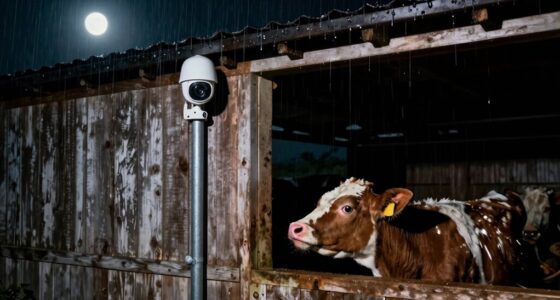
Overstocking pens and pastures might seem like a way to maximize your livestock numbers, but in reality, it often leads to hidden costs that can hurt your operation’s profitability and sustainability. When you cramp too many animals into limited space, you risk compromising their livestock health, which can lead to costly treatments, slower growth rates, and even higher mortality. Overcrowding stresses animals, making them more susceptible to diseases and parasites. This not only affects individual animals but can also spread health issues throughout your herd, forcing you to spend more on veterinary care and medications.
Overcrowding livestock harms health, increases costs, and reduces land productivity—prioritize quality and proper management for sustainability.
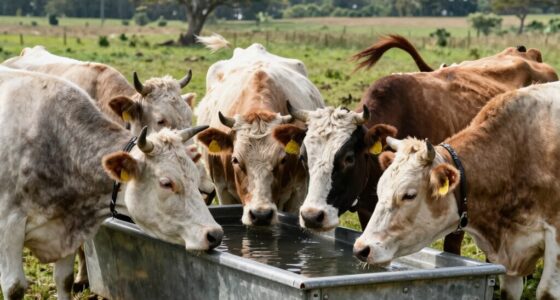
In terms of pasture management, overstocking can be equally damaging. When too many animals graze a limited area, the land becomes overused and degraded. Overgrazing strips away nutritious grasses and exposes soil, leading to erosion and loss of productivity. As pasture quality declines, you might find yourself needing to invest in costly reseeding or purchasing supplemental feed to keep your livestock healthy. The cycle of overstocking and poor pasture management can create a vicious loop where land becomes less productive, forcing you to expand into new pastures or buy additional feed, which raises expenses and reduces profit margins.
Furthermore, the increased pressure on pastures from overstocking often leads to uneven grazing patterns. Some areas get overgrazed, while others are underused, making it harder to maintain a balanced, sustainable pasture system. This imbalance can cause long-term damage to your land and reduce the carrying capacity of your pasture over time. You might even have to rotate animals more frequently, which demands more labor, fencing, and management effort—adding to your operational costs. Proper grazing management techniques are essential to prevent this imbalance and ensure land longevity.
Overstocking also hampers your ability to monitor and manage livestock effectively. When animals are packed tightly together, it becomes more difficult to spot health issues early or identify animals that need special attention. This delay can worsen health problems, resulting in more severe illnesses and higher treatment costs. Plus, crowded conditions increase stress levels, which can negatively impact reproduction, milk production, and overall performance. Additionally, proper ventilation and space are essential for maintaining healthy livestock environments, which are compromised in overstocked situations. Adequate space also allows for easier observation and timely intervention when health concerns arise.
Ultimately, the hidden costs of overstocking outweigh any short-term gains. Better pasture management and maintaining appropriate stocking densities can improve livestock health, reduce veterinary expenses, and preserve land productivity. By focusing on quality over quantity, you create a sustainable operation that’s more profitable in the long run. It’s about working smarter, not just adding more animals, and recognizing that healthy animals and healthy land are your best investments.
livestock veterinary care supplies
As an affiliate, we earn on qualifying purchases.
As an affiliate, we earn on qualifying purchases.
Frequently Asked Questions
How Can Overstocking Be Prevented Effectively?
To prevent overstocking effectively, you should monitor your stocking density regularly and adjust livestock numbers accordingly. Implement pasture rotation to give grazed areas time to recover, reducing overgrazing and maintaining healthy pastures. Keep a detailed record of pasture conditions and animal growth rates, which helps you make informed decisions. By balancing stocking density and practicing pasture rotation, you guarantee sustainable land use and avoid the costs associated with overstocking.
What Signs Indicate Overstocking in Pens and Pastures?
Did you know that overstocking can reduce pasture productivity by up to 50%? Signs of overstocking include trampled or muddy areas, poor forage regrowth, and increased animal stress. You can spot these issues by observing stocking density and monitoring grazing management closely. If animals crowd together or graze unevenly, it’s a clear sign your pens and pastures are overstocked, and adjustments are needed to maintain healthy, productive land.
Are There Specific Breeds More Affected by Overstocking?
Certain breeds are more affected by overstocking due to their breed susceptibility and genetic resilience. For example, high-maintenance breeds may struggle with limited space, leading to health issues. You’ll find that breeds with lower genetic resilience, like some dairy or exotic breeds, are more vulnerable to stress and disease when overstocked. To prevent problems, consider breed characteristics and resilience levels when managing your pens and pastures.
How Does Overstocking Impact Animal Behavior and Stress Levels?
Overstocking increases competition, leading to heightened stress and altered animal behavior. You’ll notice animals engaging in more frequent social hierarchy struggles and territorial disputes, which can cause injuries and reduce overall well-being. Overcrowding makes it harder for animals to establish dominance or find safe spaces, escalating tension. This stress can weaken their immune systems, decrease productivity, and negatively impact their health and longevity.
What Are the Long-Term Environmental Consequences of Overstocking?
You might notice a sudden decline in plant diversity, hinting at long-term environmental damage. Overstocking causes habitat degradation and accelerates soil erosion, leading to barren landscapes over time. As vegetation struggles to recover, ecosystems become less resilient, affecting wildlife and water quality. This cycle of degradation not only harms the land but also diminishes its ability to support future grazing, creating lasting environmental consequences you can’t easily reverse.
Conclusion
Overstocking pens and pastures might seem like a way to maximize your land, but it often leads to hidden costs like health issues and decreased productivity. By overestimating what your land can handle, you risk more than just space—you risk your animals’ well-being and your bottom line. Isn’t protecting your investment worth more than short-term gains? Carefully manage your stock to guarantee sustainable growth and long-term success. After all, quality over quantity always pays off.
Fall Picks
fall essentials
As an affiliate, we earn on qualifying purchases.