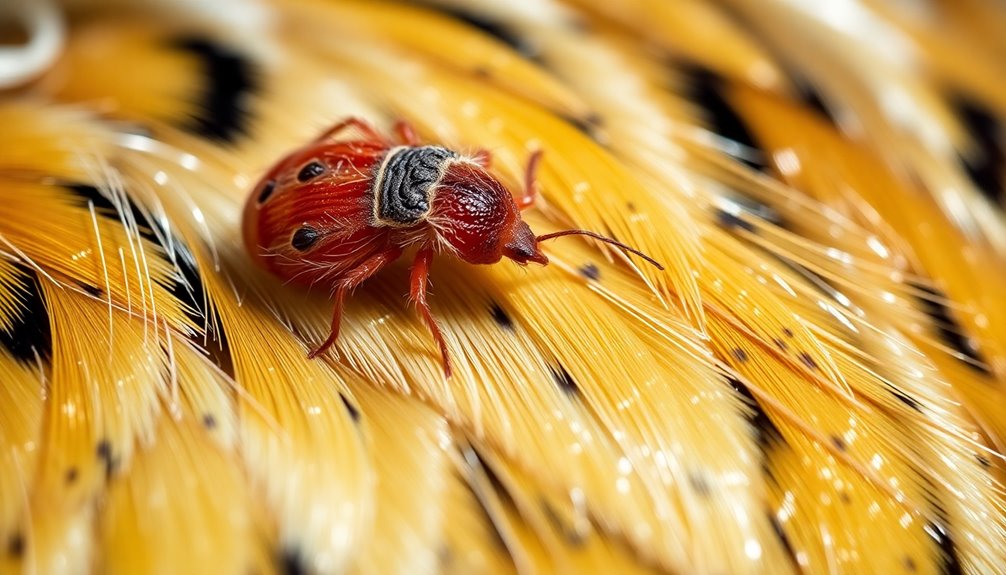
Starting fly control early is your best strategy because it prevents populations from exploding during warmer seasons when flies are most active. By acting before you see visible flies, you disrupt their life cycle and eliminate breeding sites, making future infestations much easier to manage. Early efforts also reduce the need for harsh chemicals and save you time and money. Keep exploring to discover how understanding seasonal trends can help you stay ahead of fly problems all year round.
Key Takeaways
- Early control prevents fly populations from reaching unmanageable levels during peak seasons.
- Initiating measures before adult flies appear disrupts the breeding cycle effectively.
- Proactive sanitation reduces breeding sites, decreasing the need for chemical treatments later.
- Timing interventions with seasonal trends enhances control efficiency and long-term results.
- Starting early minimizes infestation risks and overall control costs.
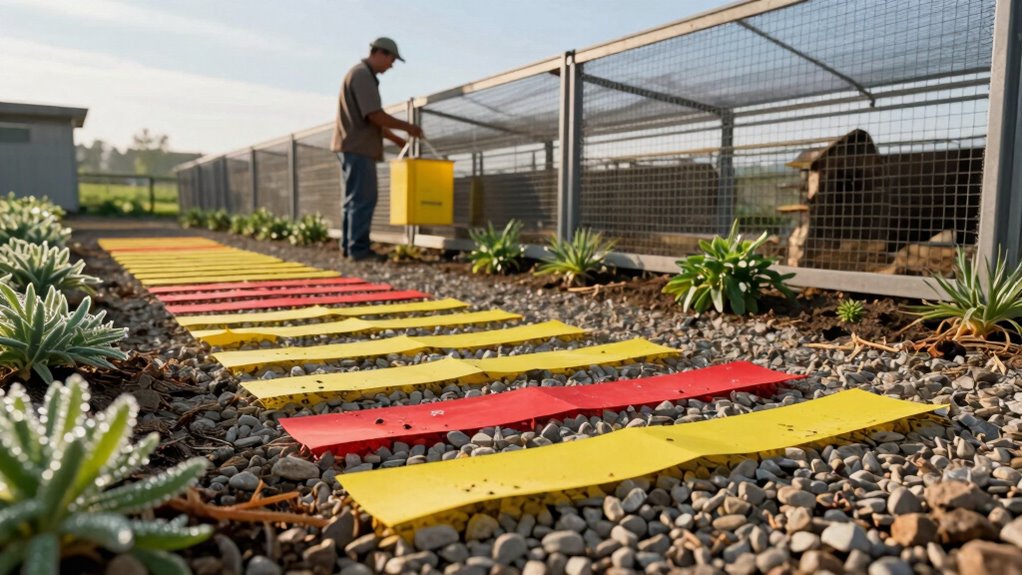
Seasonal trends play a significant role in fly activity. Flies tend to become more active during warmer months, especially in spring and summer. During these seasons, the fly life cycle speeds up due to higher temperatures, leading to more frequent breeding and quicker population growth. By starting fly control measures early in the season, you can establish a barrier against these seasonal trends. You minimize the risk of a population explosion when conditions are most favorable for flies.
Prevention is always better than cure. When you implement fly control early, you break the cycle before it becomes unmanageable. Regular sanitation, such as removing food scraps, draining standing water, and cleaning up organic waste, reduces breeding sites. Combining these practices with targeted traps or insecticides at the right time significantly diminishes the chances of a large infestation. Early action means fewer flies are around to reproduce, reducing the need for harsher chemical treatments later.
Early fly control and sanitation prevent large infestations and reduce reliance on harsh chemicals.
Furthermore, early fly control helps you stay ahead of the seasonal trends. As temperatures rise, fly populations naturally increase. If you wait until you see adult flies buzzing around, it’s already too late—you’re fighting a losing battle. Starting preventative measures before peak season hits ensures you stay in control. This proactive approach saves you money, time, and frustration, and it keeps your environment cleaner and healthier. Additionally, understanding the fly life cycle can help you target your efforts more effectively. Recognizing the stages of the fly development process allows for more precise timing of control methods.
Understanding the fly life cycle and the impact of seasonal trends underscores why early control works best. The key is to be vigilant and act before flies become a visible problem. When you do, you’re not just reacting to an infestation—you’re preventing one altogether. That way, you maintain a fly-free environment with less effort and fewer chemicals, making your space safer and more comfortable year-round. Properly timing your interventions based on seasonal trends can greatly enhance their effectiveness.
As an affiliate, we earn on qualifying purchases.
Frequently Asked Questions
How Early Should I Begin Fly Control Measures Each Season?
You should begin fly control measures as early as spring, before flies become a problem. Place fly traps around problem areas and maintain good sanitation practices to prevent breeding. Starting early helps break the fly lifecycle and keeps populations manageable. Regularly check and replace traps, and keep trash and food waste sealed. This proactive approach guarantees you’re not overwhelmed later in the season, making control more effective.
Are There Specific Signs Indicating It’s Time to Start Fly Control?
You should start fly control as soon as you notice signs of fly breeding, like increased fly activity around your property or visible larvae in damp, organic matter. Early pest prevention helps prevent a larger infestation later. Keep an eye out for swarms or buzzing near trash and manure, which are clear indicators it’s time to act. Addressing these signs promptly guarantees effective fly management and reduces the need for harsher treatments later.
Can Early Fly Control Prevent Serious Infestations Later?
Imagine a tiny fly buzzing near your food, signaling its secret pest habitat. Starting fly control early interrupts their flight patterns and disrupts breeding before they multiply. By targeting fly behavior and their preferred habitat early, you prevent a full-blown infestation later. This proactive approach keeps your space cleaner, safer, and less attractive to pests, saving you time, effort, and potential damage caused by serious infestations.
What Products Are Safest for Early Fly Control?
You should opt for natural repellents and organic traps for safe early fly control. These products are non-toxic and environmentally friendly, making them ideal for homes or around food. Natural repellents like essential oils can deter flies, while organic traps attract and trap them without harmful chemicals. Using these early in the season helps prevent larger infestations later, protecting your space and family while ensuring safety.
How Long Does It Take to See Results From Early Intervention?
You’ll typically see results from early fly intervention within a few days to a week. During this time, your efforts disrupt the fly lifecycle, preventing eggs from hatching and reducing adult populations. The effectiveness of attractants plays a vital role, as they lure flies more effectively early on. Consistent application of fly control products guarantees sustained disruption, leading to noticeable decline in flies and better long-term control.
Conclusion
By starting fly control early, you set the stage for a pest-free environment, much like planting seeds before the storm arrives. When you act proactively, you prevent a small problem from blossoming into a full-blown infestation. Think of it as locking the barn door before the horse escapes—your swift action keeps your space safe and comfortable. Don’t wait for the flies to take over; begin early and enjoy peace of mind all season long.