
To spot early signs of parasite trouble in small ruminants, watch for subtle behavioral changes like lethargy, reduced grazing, or isolation from the herd. Keep an eye on physical signs such as weight loss, dull coats, pale mucous membranes, or bloated abdomens. Monitoring fecal pellets and performing fecal egg counts can help detect parasite buildup early. Staying vigilant now can prevent serious health issues later—keep going to uncover more ways to protect your animals.

Get garden gear delivered free with Prime
- Fast, free delivery on millions of items
- Prime Video, Amazon Music and more included
- Member-only deals all year
Key Takeaways
- Observe for subtle behavioral changes like lethargy and decreased interest in grazing.
- Monitor for weight loss and poor coat condition despite adequate feeding.
- Check for increased fecal pellets, diarrhea, and abdominal bloating.
- Conduct regular fecal examinations and egg counts to detect rising parasite loads.
- Detect early signs of anemia, such as pale mucous membranes, for prompt intervention.
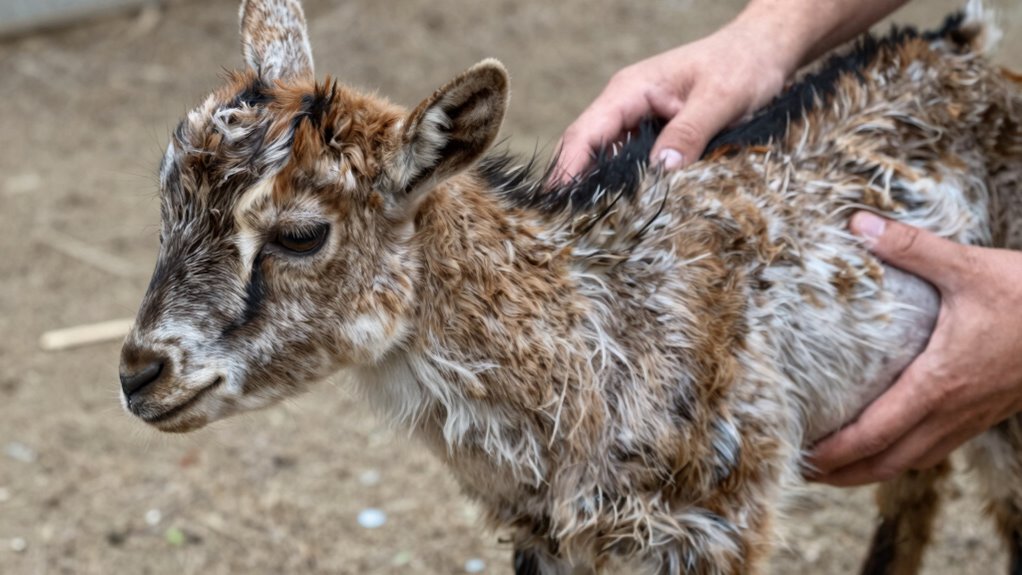
Early detection of parasite problems in small ruminants is essential for maintaining their health and productivity. Parasites can silently undermine your animals’ well-being, leading to serious issues if not caught early. One of the first signs you might notice involves subtle behavioral changes. Your goats or sheep may become less active, seem more lethargic, or isolate themselves from the herd. They might show less interest in grazing or appear to avoid certain areas, which could be a response to discomfort or weakness caused by parasites. These behavioral shifts often happen gradually, so staying attentive to even minor changes can help you catch problems before they escalate. Regular health monitoring and observation are key to catching these early signs.
Early behavioral changes in goats and sheep can signal parasitic issues before they worsen.
Another key indicator to watch for is nutritional deficiencies, which often result from parasitic infestations. Parasites such as gastrointestinal worms can interfere with nutrient absorption, leading to weight loss, poor coat condition, and a dull appearance. You might observe your animals losing weight despite having access to good-quality feed or showing signs of anemia, like pale mucous membranes. These nutritional deficiencies can be mistaken for other health issues, but when paired with behavioral changes, they strongly suggest a parasitic problem. Regularly checking your animals’ body condition and coat health provides valuable clues about their internal health status. Being aware of parasite reproductive cycles can also help in scheduling effective treatments before infestations become severe. Additionally, a sudden increase in parasite load can cause a drop in productivity, such as reduced milk yield or slower growth rates. Recognizing the importance of early intervention can greatly improve treatment success and animal recovery.
Physical signs are also an important aspect to monitor, including an increased number of fecal pellets, diarrhea, or a bloated abdomen. Fecal examinations can confirm the presence of parasite eggs and help determine the severity of infestation. Additionally, noticing a rough or patchy coat, especially during the colder months, can be an early warning sign. Small ruminants often hide discomfort, so changes in behavior and appearance might be the only visible clues until the infection becomes more severe. Monitoring fecal egg counts can provide a more precise assessment of parasite burden. Early intervention is critical because parasites reproduce rapidly, and untreated infestations can cause anemia, weakness, or even death.
small ruminant fecal egg count kit
As an affiliate, we earn on qualifying purchases.
As an affiliate, we earn on qualifying purchases.
Frequently Asked Questions
What Are the Most Common Parasites Affecting Small Ruminants?
You should watch for common parasites like gastrointestinal worms, liver flukes, and coccidia that affect small ruminants. Fungal infections can also occur, often exacerbated by parasitic stress, while nutritional deficiencies from parasite damage weaken their immune systems. Regular deworming and pasture management help prevent these issues, ensuring your animals stay healthy. Keep an eye out for signs of anemia, diarrhea, or weight loss to catch problems early.
How Often Should I Perform Parasite Testing on My Animals?
You should perform parasite testing seasonally, ideally every 3 to 4 months, to stay ahead of infestations. Use diagnostic methods like fecal egg counts to accurately identify parasite loads. During high-risk periods, such as spring and fall, increase testing frequency. Regular testing helps you catch early signs of parasite trouble, allowing timely treatment and minimizing health risks for your small ruminants.
Are There Natural Remedies for Parasite Control?
Did you know that nearly 60% of small ruminant owners explore natural remedies? You can try herbal dewormers as part of your alternative treatments, which some believe help reduce parasite loads without chemicals. While they may not replace traditional dewormers entirely, incorporating herbs like garlic or wormwood can support your animals’ health. Always consult your vet before relying solely on natural remedies to guarantee your sheep or goats stay healthy.
Can Parasites Cause Long-Term Health Issues in Small Ruminants?
Yes, parasites can cause long-term health issues in small ruminants. They can weaken your animals’ immune systems and lead to anemia, weight loss, or poor growth. Factors like genetic resistance vary among animals, making some more vulnerable. Environmental factors, such as grazing conditions and sanitation, also influence parasite burdens. Regular monitoring and integrated parasite management help minimize long-term health problems, ensuring your small ruminants stay healthier and more productive.
How Does Parasite Infestation Affect Milk and Meat Quality?
A stitch in time saves nine, and that’s true for parasite infestation affecting your small ruminants’ milk and meat quality. Parasite resistance can lead to contamination, risking milk safety and meat purity. If you ignore early signs, parasites may compromise nutrient content and cause contamination, affecting your product’s marketability. Regular monitoring and treatment are key to maintaining high-quality, safe milk and meat, protecting both your animals and your reputation.
Conclusion
By staying alert to early signs like weight loss, diarrhea, and poor coat condition, you can catch parasite issues before they worsen. Regular check-ups and fecal tests are your best tools for prevention. Did you know that untreated parasitic infections can reduce small ruminant productivity by up to 30%? Taking proactive steps now not only keeps your animals healthy but also saves you money in the long run. Stay vigilant and safeguard your flock’s health today.
Fall yard work Picks
leaf blowers
As an affiliate, we earn on qualifying purchases.