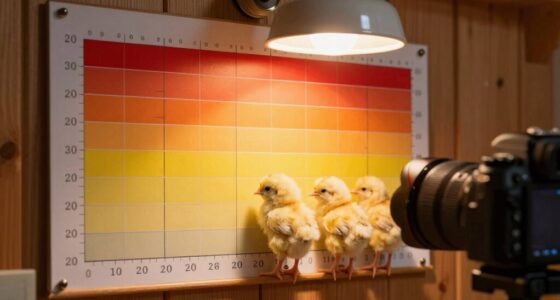
To raise healthy chickens, start by choosing the right breed for your purpose, whether it's eggs, meat, or companionship. Set up a spacious coop with proper ventilation and bedding. Provide a balanced diet with plenty of fresh water, limiting treats to 10%. Regularly clean the coop, encourage natural behaviors like dust bathing, and monitor their health. A well-cared-for flock will thrive and keep you happy too. Learn more about specific care routines and flock maintenance.

Get garden gear delivered free — and shop member deals
- Fast, free delivery on millions of items
- Access to Prime Big Deal Days deals on October 6–7
- Prime Video, Amazon Music and more included
Key Takeaways
- Determine your flock's purpose (eggs, meat, or companionship) and choose an appropriate size of 3 to 6 chickens.
- Provide a well-structured coop with 2-3 square feet indoor and 8-10 square feet outdoor space per chicken.
- Feed a balanced diet with 16-18 grams of protein daily and ensure fresh water is always available.
- Regularly clean the coop and maintain proper ventilation to promote a healthy living environment.
- Monitor chicken health through regular inspections and consult a vet when necessary to ensure well-being.
backyard chicken coop with ventilation
As an affiliate, we earn on qualifying purchases.
As an affiliate, we earn on qualifying purchases.
Getting Started With Backyard Chickens

If you're considering raising backyard chickens, the first step is to determine your purpose. Are you looking for fresh eggs, meat, or companionship? Knowing this will help you choose the right breed and plan for chicken care.
For a steady egg supply, aim for a flock size of 3 to 6 chickens, as adult hens lay about two eggs every three days on average. Make sure you're ready for daily care, which includes providing fresh water and feeding them regularly, much like pet ownership.
Check local ordinances for space requirements and flock size restrictions. Finally, prepare a secure chicken coop with adequate space—at least 3 square feet per chicken indoors and 8-10 square feet outside—for their well-being.
Setting Up the Chicken Coop and Daily Care

To guarantee your chickens thrive, setting up a well-designed coop and establishing a daily care routine is essential.
Your chicken coop should provide at least 2-3 square feet of indoor space and 8-10 square feet of outdoor space per chicken, securing comfort and safety from predators. Use bedding materials like pine shavings for absorbency and easy cleaning.
For daily care, let your chickens out each morning, provide fresh food and clean water, and collect eggs 1-2 times a day. Incorporate dust bathing areas and perches to support their natural behaviors.
Don't forget to lock them in at night! Regularly refill feeders and clean waterers to promote overall flock health and secure a happy, healthy chicken environment.
Feeding, Watering, and Health of Chickens
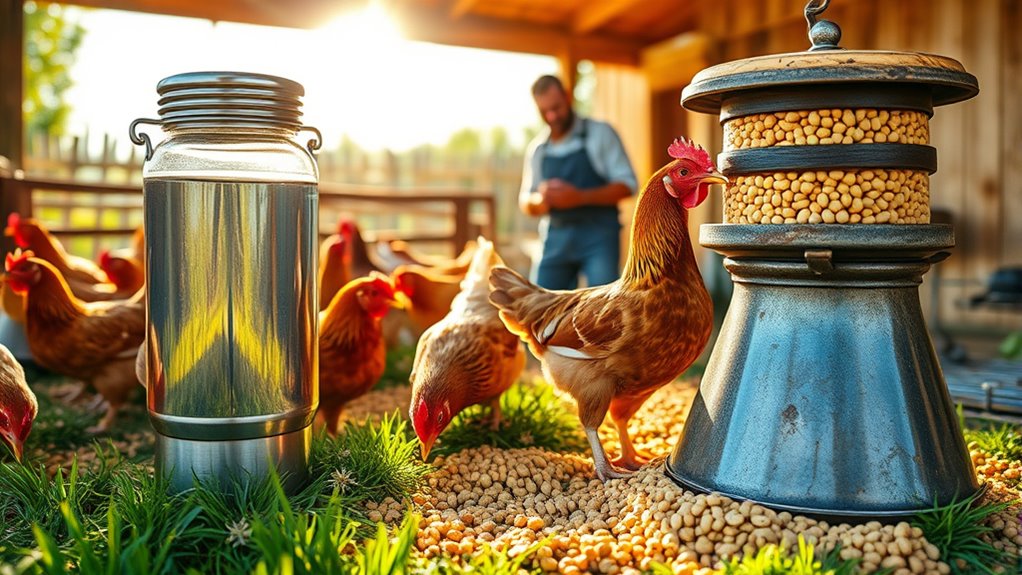
Providing proper nutrition and hydration is key to keeping your chickens healthy and productive. A balanced diet is essential, especially for layer hens, who need 16 to 18 grams of protein daily.
Make sure they've access to fresh water at all times, with at least one liter per chicken, especially during hot weather.
- Use stable, clean containers for feeding and watering.
- Supplement their diet with kitchen scraps, but limit treats to 10%.
- Add apple cider vinegar to their water to boost gut health.
Proper feeding and watering practices, along with managing chicken manure, play a vital role in their overall health and productivity.
Keep your flock thriving by prioritizing their essential nutrients!
Choosing and Caring for Chickens

Choosing the right chickens for your backyard can make all the difference in your success as a poultry keeper.
Opt for chicken breeds that suit your climate and egg production needs, like Rhode Island Reds for reliable layers or Cuckoo Marans for unique egg colors. Always choose chicks from reputable sources to guarantee healthy stock.
Choose chicken breeds that match your climate and egg needs, like Rhode Island Reds or Cuckoo Marans, for a healthy flock.
Aim for a flock size of 3 to 6 birds for a steady supply of eggs, as adult hens typically lay about two eggs every three days.
Feed your chickens a balanced diet tailored to their age and purpose, using formulated feeds.
Regularly monitor health by inspecting feathers and behavior, and don't hesitate to seek vet care when necessary to maintain a thriving flock.
Maintaining a Healthy Flock and Natural Behaviors
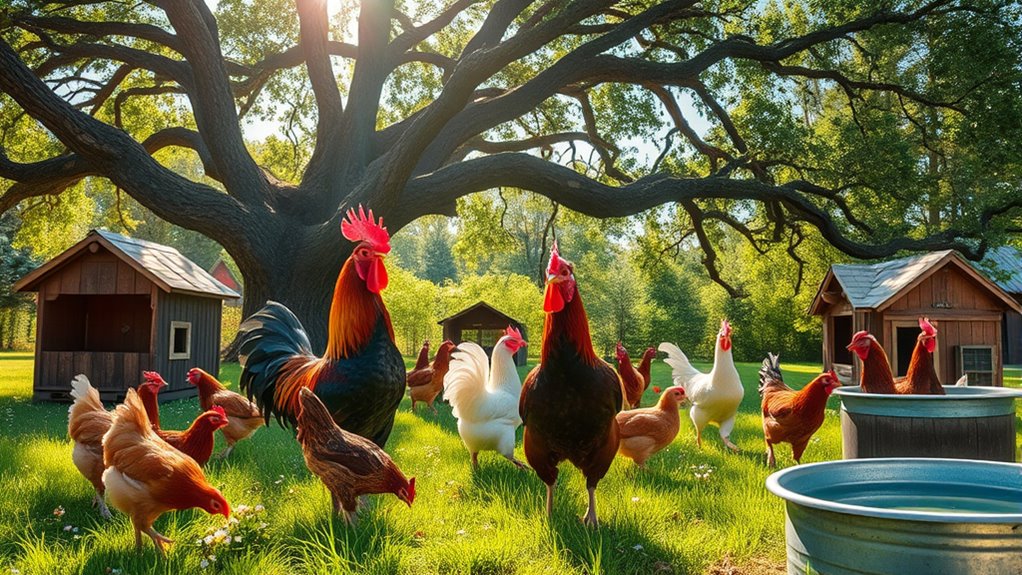
Maintaining a healthy flock goes beyond just feeding and watering your chickens; it involves creating an environment that supports their natural behaviors. To achieve this, focus on:
- Regular cleaning of the coop for a hygienic living space
- Providing adequate ventilation to prevent respiratory issues
- Offering opportunities for free ranging and dust bathing
Ensure your chickens receive a balanced diet with plenty of protein and fresh water for peak health.
Encourage social interactions, as chickens thrive in flocks and display natural behaviors that enhance their mental well-being.
Conduct routine health checks to monitor feathers, combs, and overall behavior.
Incorporate environmental enrichment, like perches, to promote happiness and reduce stress, ultimately leading to a thriving, healthy flock.
Frequently Asked Questions
How to Start Raising Chickens for the First Time?
If you're thinking about starting to raise chickens, first, decide your purpose—are you looking for eggs, meat, or just companionship?
Begin with 3 to 6 hens to guarantee a steady supply of eggs. You'll need a secure coop with ample space and proper nutrition, so invest in quality feed and clean water.
Finally, make sure you understand your local regulations regarding chicken keeping to avoid any issues down the line.
What Is the 90/10 Rule for Chickens?
The 90/10 rule for chickens balances their diet perfectly.
You'll want 90% of their food to be high-quality, nutritionally balanced feed, while just 10% can be treats or kitchen scraps.
This guarantees your chickens get essential nutrients without the risk of obesity or poor egg production.
By sticking to this ratio, you promote healthier, happier birds and enjoy better egg quality.
Treats are fun, but keep them in moderation!
How Many Chickens Should a Beginner Start With?
If you're just starting out, you should begin with 3 to 6 chickens.
This manageable flock size gives you a steady supply of eggs while allowing you to gain confidence in chicken care.
Adult hens typically lay about two eggs every three days, so this number is sufficient for personal use.
Plus, keeping a small flock helps you learn the ropes without feeling overwhelmed by responsibilities.
How Do You Raise Healthy Backyard Chickens?
To raise healthy backyard chickens, start by providing a balanced diet tailored to their age, mixing formulated feeds with occasional treats.
Create a secure coop with enough space and proper ventilation, and guarantee they've fresh water available at all times.
Regular health checks are essential, so monitor for common issues.
Encourage natural behaviors by allowing dust bathing and roosting, which helps reduce stress and promotes overall well-being.
Conclusion
By bringing your backyard chickens into a cozy coop and catering to their care, you create a cheerful community of clucking companions. With the right feed and fresh water, you'll foster a flourishing flock that thrives in a healthy habitat. Selecting specific breeds and supporting their natural behaviors guarantees a successful setup. Embrace the joy of raising these delightful birds, and you'll reap the rewarding benefits of fresh eggs and fond feathered friendships.
Halloween Picks
halloween
As an affiliate, we earn on qualifying purchases.