
Failing to rotate animals properly can lead to soil compaction, which reduces pore space and hampers root growth. This causes water runoff, erosion, and poor pasture recovery, ultimately shrinking forage quality and limiting your animals’ gains. Overgrazing stays unchecked without rest periods, damaging soil structure and reducing its ability to retain water. By avoiding these common mistakes, you’ll improve pasture health and animal productivity—keep going to discover how to implement better grazing practices effectively.

Get garden gear delivered free with Prime
- Fast, free delivery on millions of items
- Prime Video, Amazon Music and more included
- Member-only deals all year
Key Takeaways
- Overlooking adequate rest periods can lead to soil compaction, reducing root growth and water infiltration.
- Failing to rotate frequently causes overgrazing, which damages pasture structure and diminishes forage quality.
- Ignoring slopes and landscape features increases runoff, soil erosion, and nutrient loss.
- Using insufficient or improper grazing techniques can compact soil and hinder pasture recovery.
- Neglecting soil health practices decreases porosity and water retention, impairing pasture resilience and animal gains.
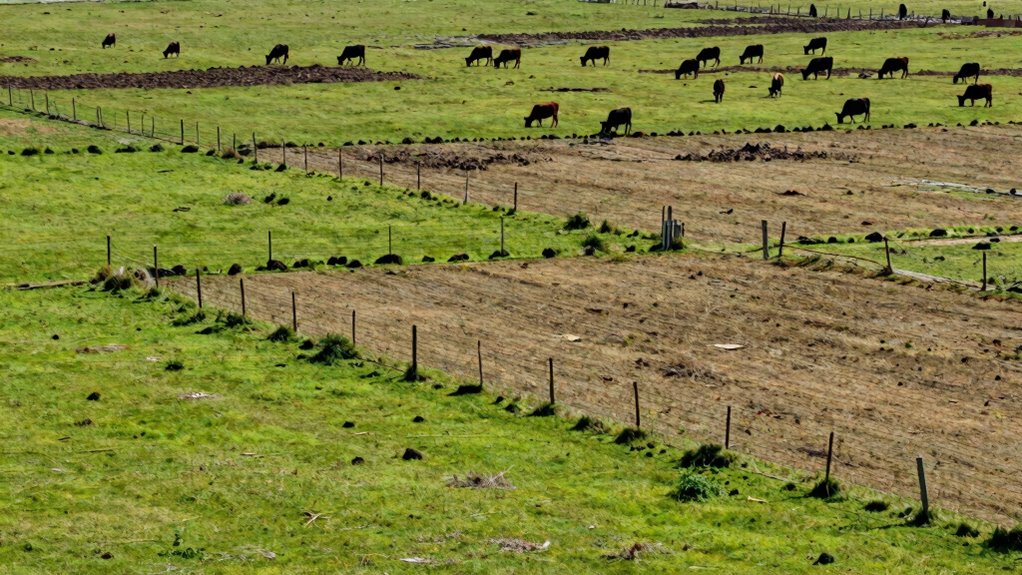
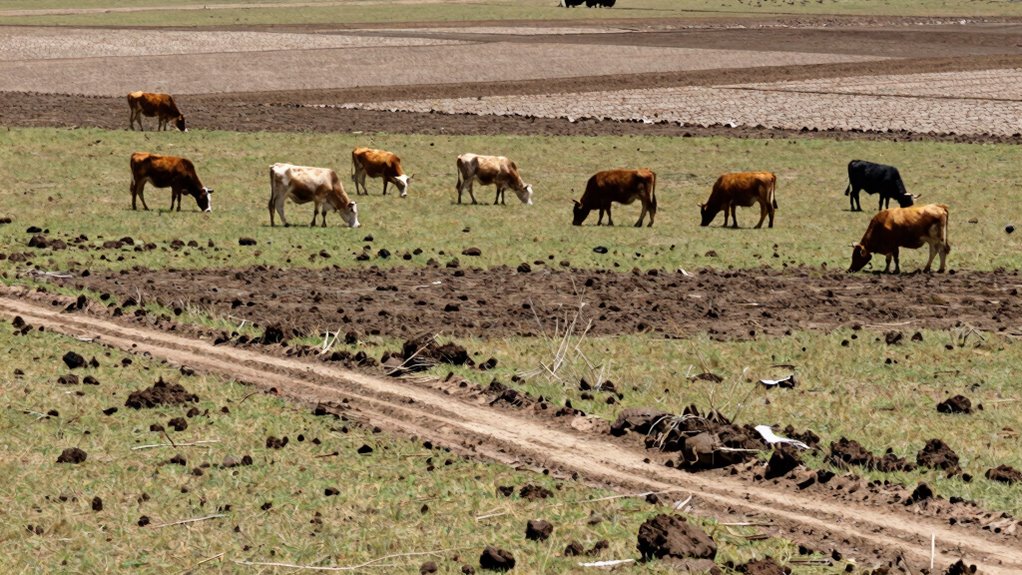
Rotational grazing can boost your pasture health and livestock productivity, but only if you avoid common mistakes. One of the biggest errors you might make is neglecting soil compaction. When animals are confined to small areas for too long, their hooves press down on the soil repeatedly, reducing pore space. This compression makes it harder for roots to grow and for water to infiltrate the ground. As a result, your pasture becomes less resilient, and plants struggle to recover between grazing periods. Over time, this leads to bare patches and a decline in forage quality, which directly impacts your livestock’s nutrition and growth.
Soil compaction from overgrazing reduces root growth, water infiltration, and pasture resilience, harming forage quality and livestock health.
Another mistake that can undermine your efforts is ignoring water runoff issues. When you overgraze a paddock or don’t plan your grazing rotation carefully, rainwater can flow quickly across the surface rather than soaking into the soil. This runoff carries away valuable topsoil and nutrients, leaving behind a less fertile ground. Excessive runoff also causes erosion, which further damages the pasture’s structure and reduces its capacity to support healthy plant growth. Not managing water runoff means you’re fundamentally flushing away the very resources that sustain your pasture, leading to poorer forage and increased costs for soil amendments or reseeding.
To avoid these pitfalls, you need to be mindful of how your grazing patterns affect soil health. Rotate animals frequently enough to prevent overgrazing in any one area, giving the pasture time to recover. This helps reduce soil compression because animals aren’t staying in one spot for too long, and it allows the soil structure to maintain its porosity. Implementing strategic rest periods also encourages deeper root systems, making plants more drought- and compaction-resistant. Additionally, understanding soil compaction and how it impacts plant growth can help you develop more effective grazing plans. Recognizing the importance of soil health and its connection to soil structure can lead to better management practices that enhance pasture resilience. Incorporating soil aeration techniques can further improve pore space and promote healthier root development.
Addressing water runoff involves designing your paddock layout with gentle slopes, installing water diversion features, or creating buffer zones with vegetation that can trap excess water. These measures slow down runoff, allowing more water to infiltrate into the soil rather than washing away nutrients and topsoil. Incorporating proper grazing techniques can also help minimize soil disturbance and runoff. Furthermore, paying attention to soil porosity and its role in water infiltration can improve your pasture’s overall health. Additionally, maintaining healthy, dense forage cover acts as a natural barrier, reducing runoff velocity and promoting better water retention.
As an affiliate, we earn on qualifying purchases.
Frequently Asked Questions
How Can I Identify if My Pasture Is Overgrazed?
You can tell if your pasture is overgrazed by looking for signs like soil compaction and invasive species, which thrive when plants are weakened. If the grass is patchy, short, or struggling to recover, it’s a sign of overgrazing. You may also notice areas with bare soil or erosion, indicating the pasture isn’t healthy. Regularly assess plant height and cover to prevent further damage and promote healthy regrowth.
What Are the Signs of Poor Animal Health Due to Grazing?
If your animals seem unusually lethargic or lose weight despite good feed, it’s a gentle sign something’s amiss. You might notice dull coats, poor appetite, or frequent grazing but still appearing unwell. These issues often stem from nutrient deficiency or parasite infestation, which grazing mismanagement can exacerbate. Regular health checks and pasture assessments help catch these signs early, ensuring your animals stay healthy and thriving under your care.
How Often Should I Rotate My Livestock?
You should rotate your livestock every 1 to 3 days, depending on pasture growth and grazing intensity. Maintain proper grazing frequency to prevent overgrazing and allow rest periods for the pasture to recover. Rest periods typically last 30 to 60 days, giving plants time to regrow and stay healthy. Adjust your rotation schedule based on forage availability, weather, and animal needs to optimize pasture health and animal gains.
What Equipment Is Best for Managing Rotational Grazing?
Imagine you’re a modern cowboy, and the best grazing equipment you can use includes durable pasture fencing like electric or woven wire to keep animals contained. Portable grazing panels and wire reels make moving livestock easy, ensuring efficient rotation. Choose high-quality grazing equipment that’s weather-resistant for longevity. Proper pasture fencing is essential for controlling grazing areas, preventing overgrazing, and maximizing pasture and animal health.
How Can I Improve Pasture Recovery After Grazing?
To improve pasture recovery after grazing, focus on soil aeration to boost root growth and water absorption. You should also consider nutrient supplementation, especially nitrogen, phosphorus, and potassium, to replenish depleted soils. Avoid overgrazing and give plants time to regrow. Regularly monitor pasture health, apply amendments as needed, and rotate grazing schedules strategically. This approach promotes stronger plants, faster recovery, and better overall pasture productivity.
Conclusion
If you’re not careful, rotational grazing can become a stumbling block rather than a stepping stone. Avoid these common errors to keep your pasture thriving and your animals healthy. Think of grazing management like tending a delicate garden—each mistake is like a weed that chokes out growth. Stay vigilant, learn from missteps, and you’ll cultivate a lush, productive pasture that supports your herd for years to come. Your pasture’s success depends on your steady hand.
Fall yard work Picks
leaf blowers
As an affiliate, we earn on qualifying purchases.