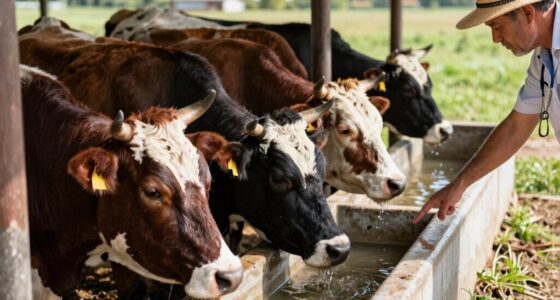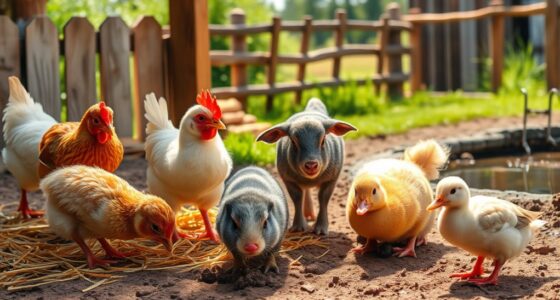

Improving lighting in your kidding pens creates a calmer environment and helps you spot health issues quickly. Bright, flicker-free LEDs mimic natural light, supporting animal well-being and reducing stress. Organizing traffic flow with clear pathways and signage keeps animals and handlers safe and minimizes chaos. Better lighting guides animals along their routes, while organized space reduces accidents and makes chores easier. Keep exploring to discover how these changes can make your kidding season smoother and more humane.

Get garden gear delivered free with Prime
- Fast, free delivery on millions of items
- Prime Video, Amazon Music and more included
- Member-only deals all year
Key Takeaways
- Proper, flicker-free LED lighting improves animal visibility and reduces stress during routine checks.
- Clear pathways and designated zones prevent accidents and streamline movement in the kidding pen.
- Bright, evenly distributed light enhances early detection of health or behavioral issues.
- Organized traffic flow minimizes chaos and injuries for animals and handlers.
- Integrating lighting with layout promotes a safer, more efficient, and humane environment.
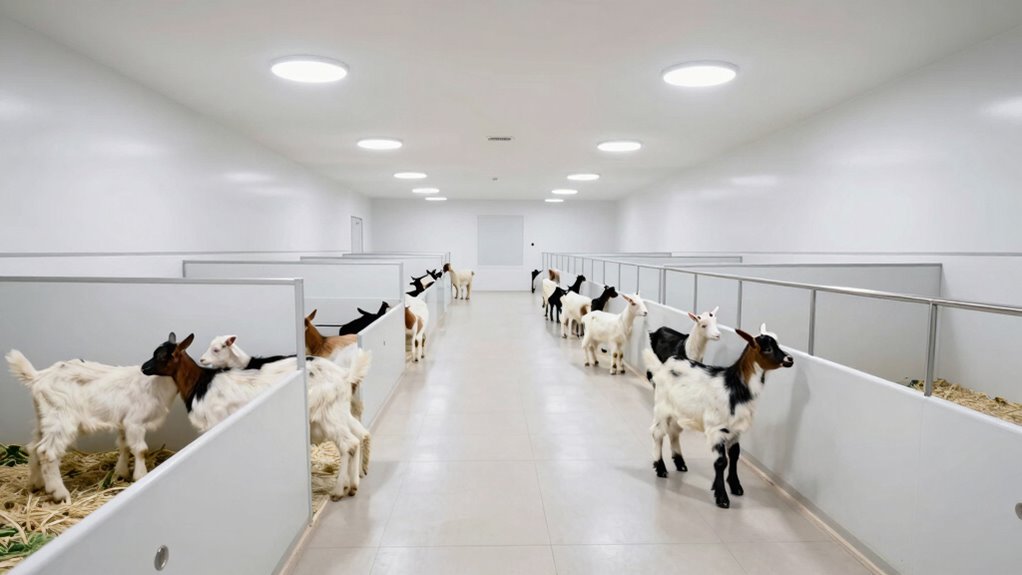
Improving lighting and traffic flow in kidding pens is vital for guaranteeing the safety and well-being of both the animals and the handlers. When you pay attention to how lighting affects animal behavior, you create a calmer environment that reduces stress for the kids and the does. Proper lighting helps you observe any signs of distress or health issues more quickly, allowing for prompt intervention. Advances in lighting technology now offer options like LED fixtures that provide consistent, flicker-free illumination, mimicking natural light patterns. This not only benefits the animals by creating a more natural environment but also enhances your ability to monitor their behavior without disturbance. Bright, well-distributed light minimizes shadows and dark corners, which can cause animals to feel insecure or become hesitant, especially during critical moments like kidding or handling.
Effective traffic flow in your kidding area plays a vital role in preventing accidents and promoting smooth movement. When pathways are clear and logically arranged, you reduce stress for the animals and make your job easier. Animals tend to react negatively when they feel trapped or confused, and poor traffic flow can lead to injuries for both the kids and the handlers. By organizing the space to allow for one-way traffic and designated zones for feeding, milking, and cleaning, you help animals move naturally and comfortably. This is especially important during busy times, like kidding season, when quick, safe movement is essential. Clear signage and barriers can guide animals and people alike, minimizing chaos and lowering the risk of mishaps.
You should also consider the interaction between lighting and traffic flow. Good lighting can guide animals along designated routes, making navigation easier for them. For example, well-lit pathways encourage movement in the right direction and reduce hesitation. During cleaning or routine checks, proper lighting ensures you can see clearly, reducing the chance of accidental injury or missed signs of illness. Additionally, adequate illumination can help you identify subtle issues or changes in animal behavior early on. Properly integrating lighting and layout ensures that your kidding environment is both safe and efficient, promoting better overall animal health and handler safety. When both lighting and traffic are optimized, you create a safer, more efficient environment that benefits everyone involved. Guaranteeing these factors work together means fewer accidents, less stress, and healthier, happier animals. Small adjustments in lighting technology and layout can make a significant difference in animal behavior and handling, creating a more humane and effective operation. As an added benefit, well-designed layouts can improve overall cleanliness and reduce the spread of disease by facilitating easier cleaning routines.
flicker-free LED lighting for livestock pens
As an affiliate, we earn on qualifying purchases.
As an affiliate, we earn on qualifying purchases.
Frequently Asked Questions
How Does Lighting Affect Kid Pen Safety?
Lighting plays a vital role in kid pen safety by ensuring clear visibility, preventing accidents, and allowing staff to monitor children effectively. You should follow lighting regulations to maintain proper illumination levels and conduct regular safety inspections to identify any lighting issues. Good lighting reduces hazards, discourages unsafe behavior, and helps you respond quickly to emergencies, creating a safer environment where kids can play and learn confidently.
What Are the Best Materials for Easy Cleanup?
If you want messes to vanish faster than a magician’s hat trick, opt for materials like laminated plywood or sealed concrete—these are practically impervious to spills and stains. They make toy organization a breeze and fit perfectly into your cleaning schedules. Using smooth, non-porous surfaces keeps cleanup swift and simple, so your kid pen stays tidy and safe, with minimal effort. Your kids will love the clean space, and you’ll love the easy maintenance!
How Often Should Traffic Flow Be Reassessed?
You should reassess traffic flow regularly, ideally every three to six months, to guarantee safety and efficiency. Conduct traffic pattern analysis during these inspections to identify any congestion or hazards. Incorporate safety inspection frequency into your schedule to catch potential issues early. Consistent evaluations help maintain a smooth, safe environment, allowing you to adapt as needs change and prevent accidents or bottlenecks in your kidding pens.
What Are Common Lighting Issues in Kid Pens?
You might notice flickering lights or uneven illumination in kid pens—common lighting issues that can cause discomfort or safety concerns. Poor lighting design often leads to shadows and glare, making it harder for kids to see clearly. Focusing on energy efficiency, you can upgrade to LED fixtures that provide consistent light, reduce glare, and save energy. Proper lighting enhances safety, comfort, and overall experience in the pens, making a noticeable difference.
How Can Signage Improve Traffic Management?
Signage can greatly improve traffic management by enhancing color visibility and strategic placement. You should use bright, contrasting colors to make signs easily noticeable, especially in busy areas. Place signs at key points where traffic flow changes or congestion occurs, guiding visitors smoothly through the space. Proper signage placement ensures everyone understands directions quickly, reducing confusion and accidents, ultimately creating a safer, more organized environment for kids and staff alike.
Conclusion
Just as a lighthouse guides ships safely through treacherous waters, better lighting and cleaner traffic flow in kidding pens steer your operations toward success. When you prioritize these improvements, you create a safer, more efficient environment that benefits both animals and workers. Remember, neglecting these details can lead to chaos, much like a ship lost in fog. By shining a light on these issues now, you guarantee smoother sailing ahead for your farm’s future.
Fall yard work Picks
leaf blowers
As an affiliate, we earn on qualifying purchases.