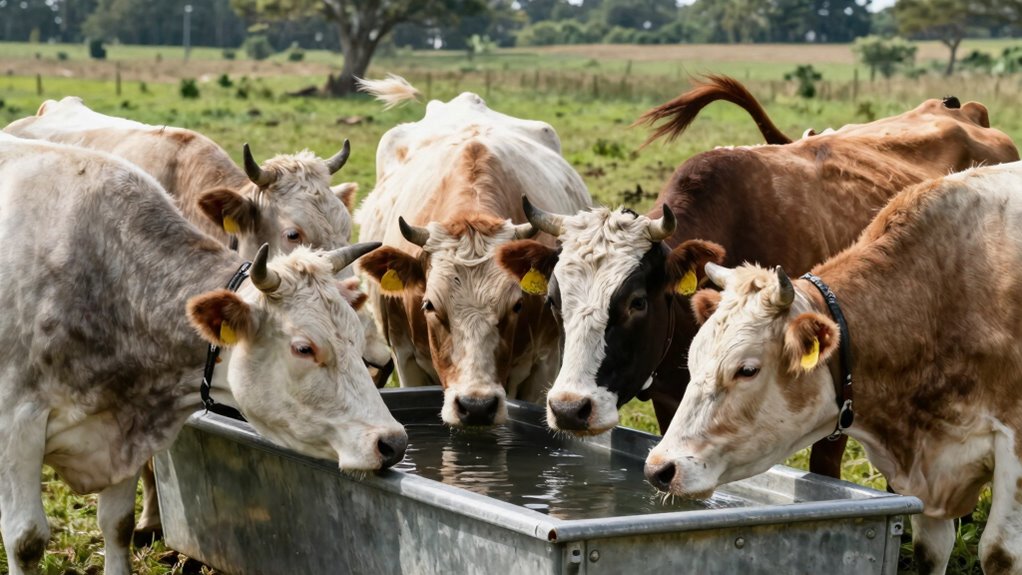

Proper placement of water troughs influences how animals access water, affecting their movement and social interactions. If troughs are placed near feeding areas or shade, animals change their natural grazing patterns and may compete more, increasing stress. Well-positioned troughs reduce dominance disputes, promote herd cohesion, and encourage natural behavior. Conversely, poor placement can lead to agitation, injuries, and higher stress levels. Keep in mind how environmental factors play a role—if you want to understand more, there’s always more to uncover.

Get garden gear delivered free with Prime
- Fast, free delivery on millions of items
- Prime Video, Amazon Music and more included
- Member-only deals all year
Key Takeaways
- Strategic placement influences access, reducing competition and dominance disputes among animals.
- Proper positioning encourages natural movement and grazing patterns, promoting herd health.
- Consistent and accessible water sources lower stress and anxiety in animals.
- Environmental factors like wind and terrain affect water access, impacting animal comfort.
- Spacing water troughs minimizes agitation, injuries, and promotes resource sharing within the herd.
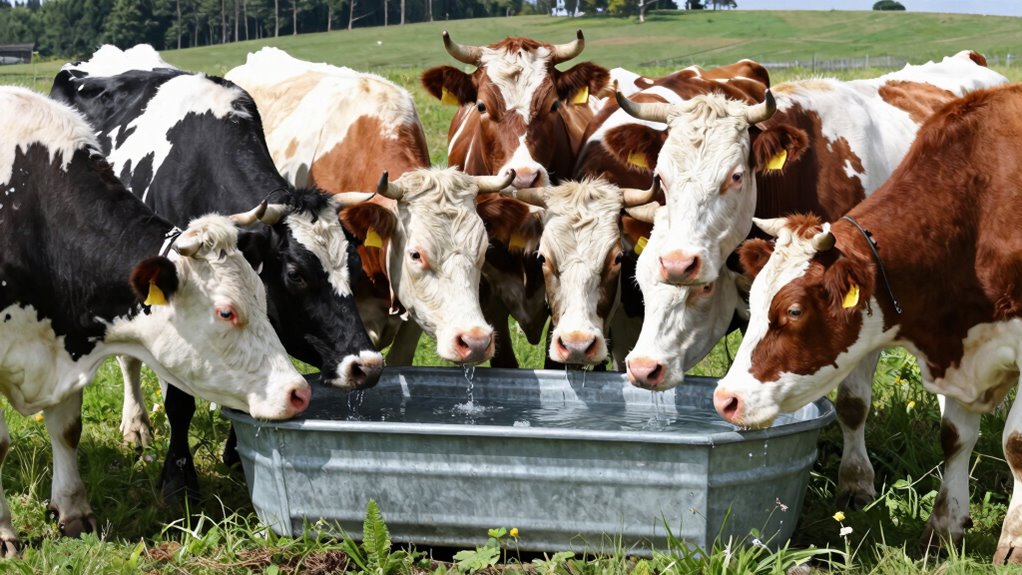
Water source hierarchy within the herd is also shaped by trough placement. Certain animals, often the more dominant ones, will control access to the most desirable water sources if they’re located in prime spots. When water troughs are positioned in areas that favor these dominant animals, it can reinforce their status, while others may be pushed to less desirable locations. This hierarchy influences how animals share resources, and if water sources are poorly placed, it can escalate tensions, making it harder for the herd to function smoothly. On the other hand, evenly distributed water troughs help minimize dominance disputes, encouraging more harmonious social interactions.
You might notice that when troughs are placed near feeding areas or shade, animals tend to prioritize those spots, which can alter their natural movement patterns. Proper placement encourages animals to move naturally across the pasture, promoting healthier grazing behavior and better distribution of manure and grazing pressure. If water sources are clustered too close together, animals might compete more fiercely, resulting in increased agitation and potentially injurious encounters. Spacing water troughs adequately across the farm or ranch helps to diffuse competition, supporting a calmer herd environment. Additionally, understanding the water source hierarchy within the herd can assist in designing placement strategies that reduce competition and stress. Recognizing the importance of animal behavior patterns can further enhance water management practices.
Furthermore, aligning water trough placement with natural animal movement patterns can help reduce overall stress levels and improve herd cohesion. The location of water troughs influences how animals establish routines. When troughs are accessible and reliably located, animals develop predictable drinking patterns, reducing stress and encouraging hydration. If their water sources are inconsistent or hard to reach, animals may become anxious, alter their grazing habits, or spend more energy seeking water, which can negatively impact their overall health and productivity. Proper placement also takes into account environmental factors such as wind, weather, and terrain, which can influence animal comfort and access. Additionally, considering behavior-driven design in water source placement can further optimize herd management strategies. In the end, thoughtful water trough placement isn’t just about convenience—it’s a crucial tool for managing animal behavior and maintaining a healthy, productive herd.
water trough placement for livestock
As an affiliate, we earn on qualifying purchases.
As an affiliate, we earn on qualifying purchases.
Frequently Asked Questions
How Does Water Temperature Affect Animal Drinking Habits?
Water temperature greatly influences your animals’ drinking habits. When water is cool and comfortable, they’re more likely to drink regularly, staying hydrated and healthy. Hot or very cold water can discourage drinking, leading animals to drink less or seek alternative sources. You should monitor water temperature to guarantee it remains moderate, encouraging consistent drinking habits and preventing dehydration. Proper water temperature helps maintain your animals’ well-being and overall performance.
Do Animals Prefer Water Troughs Near Shelter or Open Areas?
Animals generally prefer water troughs near shelter rather than in open areas. You’ll notice they seek shelter proximity to stay safe from predators and harsh weather, making open area placements less attractive. This behavior is natural because shelter provides comfort and security, influencing their drinking habits. So, if you want animals to drink more, placing troughs near shelter is the way to go, as it aligns with their instinctual preferences.
How Often Should Water Troughs Be Cleaned for Optimal Behavior?
You should clean water troughs at least once a week to guarantee ideal behavior. Regular cleaning maintains water quality, preventing algae buildup and bacteria growth that can discourage animals from drinking. Keep trough accessibility high by removing debris and ensuring the water is fresh and easily reachable. This consistency encourages animals to drink more, reduces stress, and promotes healthier, more active behavior around their water sources.
Can Water Trough Placement Influence Social Interactions Among Animals?
Yes, water trough placement can influence social interactions among animals. When you position the trough strategically, it can either reduce or heighten social hierarchy tensions, affecting herd dynamics. For example, placing it in a neutral, accessible spot encourages equal access, minimizing conflicts. Conversely, a poorly located trough might cause competition, elevating stress and disrupting social harmony within the herd. Proper placement promotes smoother interactions and overall well-being.
What Are Signs of Stress Related to Water Source Locations?
Like Icarus risking flight too close to the sun, you’ll notice behavioral signs and hydration cues signaling stress from water source locations. Animals may become restless, vocal, or exhibit decreased feeding and grazing. They might also show avoidance, crowding, or agitation near the trough. These signs indicate discomfort, prompting you to reevaluate placement, ensuring water sources promote calm, natural behavior and meet their hydration needs effectively.
Conclusion
So, next time you move that water trough, remember—you’re not just changing where animals drink; you’re unknowingly rewriting their day. It’s ironic how a simple shift can stir such chaos or calm, revealing just how much they rely on familiarity. You might think you’re helping, but often, you’re just testing their patience and instincts. In the end, it’s your placement that truly shapes their behavior — more than you ever realized.
Fall yard work Picks
leaf blowers
As an affiliate, we earn on qualifying purchases.