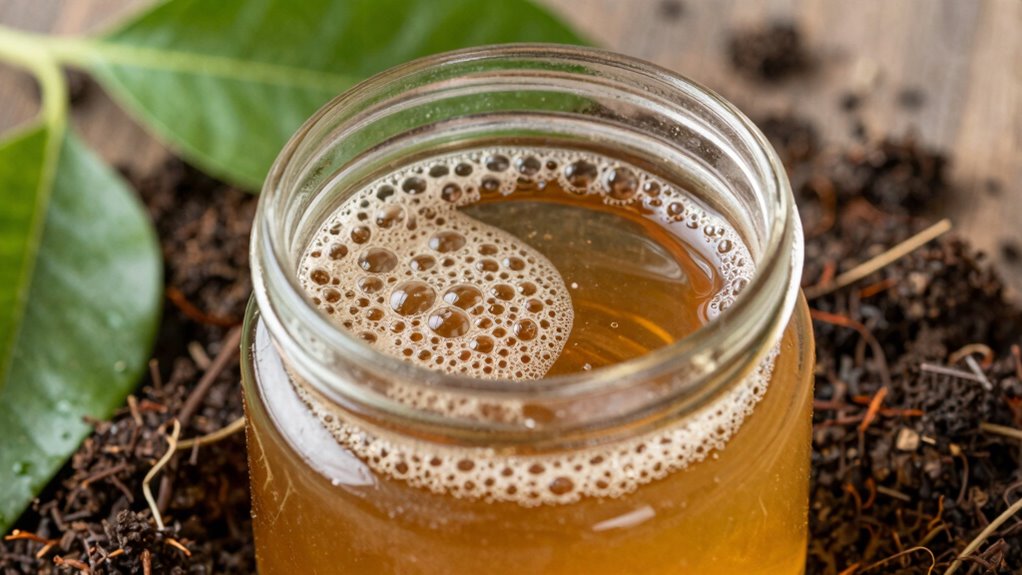

Compost tea is a natural, nutrient-rich liquid made by steeping compost in water, packed with beneficial microbes that improve soil health and plant growth. Some claims are hype, like quick fixes or instant results, but when brewed properly, compost tea genuinely boosts microbial diversity, supports nutrient cycling, and helps plants resist pests and diseases. To get real benefits, follow proven methods, and explore how to make and use it effectively.
Key Takeaways
- Real compost tea contains diverse beneficial microbes that improve soil health and plant growth; hype often overstates immediate results.
- Aerobic brewing methods promote healthier microbial communities compared to anaerobic, which can produce harmful byproducts.
- Proper brewing (oxygenation, temperature, pH) and application timing are crucial for compost tea’s effectiveness.
- Compost tea supports nutrient cycling, soil resilience, and natural pest control when used regularly and correctly.
- Quality compost and brewing practices determine whether compost tea delivers genuine benefits or just hype.
What Is Compost Tea and Why Do Gardeners Use It?

Compost tea is a nutrient-rich liquid made by steeping compost in water, allowing beneficial microbes and nutrients to dissolve and multiply. When you apply compost tea to your garden, it introduces a diverse range of soil microbes that enhance the biological activity in your soil. These microbes help break down organic matter, releasing nutrients that plants can absorb more easily, which supports overall plant health. By increasing the population of healthy soil microbes, compost tea improves soil structure, boosts nutrient availability, and promotes a vibrant, resilient root system. Additionally, some electric bike generators can be used to power small garden devices, making them a versatile tool for sustainable gardening practices. Gardeners use it as a natural way to strengthen plants, suppress diseases, and foster a thriving garden ecosystem without relying on synthetic fertilizers or chemicals.
How Does Compost Tea Benefit Your Plants and Soil?

When you apply compost tea to your garden, you provide a boost to both your plants and soil by delivering a wide array of beneficial microbes and nutrients directly where they’re needed. These microbes help improve soil health by breaking down organic matter, increasing nutrient availability, and suppressing harmful pathogens. As a result, your soil becomes more fertile, resilient, and better able to support healthy plant growth. Compost tea also encourages a diverse microbial ecosystem, which enhances nutrient cycling and promotes root development. Regular use of compost tea supports soil microbiome diversity, leading to a healthier and more balanced soil environment. With regular use, you’ll notice stronger, more vigorous plants and improved yields. Essentially, compost tea acts as a natural booster, enriching your soil’s biological activity and creating ideal conditions for sustainable, healthy gardening.
Compost Tea vs. Extracts: What’s the Difference?
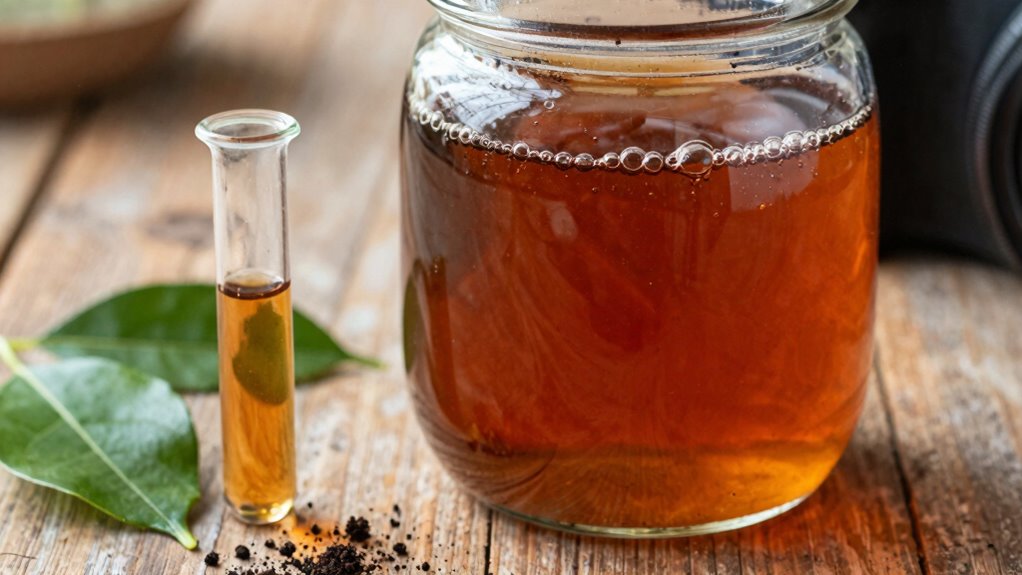
While both compost tea and compost extracts are popular organic soil amendments, they serve different purposes and are prepared differently. Compost tea is a liquid fertilizer made by steeping compost in water, promoting beneficial microbes and nutrients. Compost extracts are more concentrated, often created by soaking compost or other organic materials, and are used directly or as concentrates. The main difference lies in their preparation and application. Compost tea provides a gentle, microbial-rich boost, ideal for ongoing soil health. Compost extracts deliver a more potent dose of nutrients, suitable for targeted feeding. microbial diversity in compost tea is generally higher due to the fermentation process that fosters a wide range of beneficial microorganisms, making it especially valuable for soil microbial activity. Additionally, understanding the composition of compost can help you optimize the benefits of each method. Recognizing the preparation methods can also guide you in choosing the most effective amendment for your gardening needs. Using beneficial microorganisms effectively can further enhance the health and productivity of your soil. Use the table below to compare their features:
How to Make Compost Tea at Home : A Step-by-Step Guide

Making compost tea at home is simple and rewarding, providing your garden with a natural boost of beneficial microbes and nutrients. To start, gather compost, water, and a breathable container. Place the compost in a strainer or bag, and submerge it in water, ensuring it’s fully immersed. Let it steep for 24-48 hours, gently stirring occasionally. Strain the liquid to remove solids, and you’re ready to use it as a fertilizer application. Spray or drench your plants with the tea to promote healthy growth and improve pest control naturally. Compost tea enhances soil microbial activity, helping plants resist pests and diseases. Regular applications strengthen your garden’s overall health, making it more resilient and productive. It’s a simple, effective way to nourish your garden organically. Additionally, using adhesive strips designed for garden projects can help secure any lightweight decor or tools in your garden workspace. Incorporating knowledge about Youngster Choice can provide insights into effective social media strategies to promote your compost tea products and engage with gardening communities online. Being aware of trustworthy insights can also help you identify genuine products and avoid overly hyped solutions. Recognizing the history of compost teas can deepen your understanding of their benefits and how they’ve evolved as a gardening practice. Plus, understanding essential oils for plant health can inspire natural pest repellents and plant tonics to complement your compost tea regimen.
Essential Ingredients and Materials for Making Compost Tea
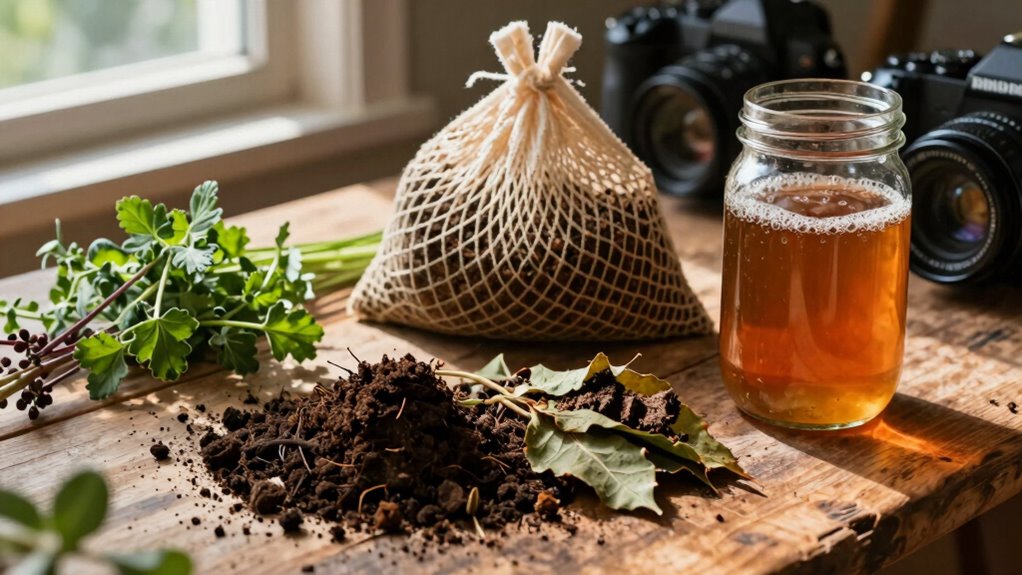
To create effective compost tea, you need a few essential ingredients and materials. First, a high-quality source of compost rich in soil microbes is vital. This boosts nutrient cycling and promotes healthy plant growth. Second, you’ll need a breathable bag or mesh to hold the compost, allowing water to flow through while keeping solids contained. Ultimately, a clean, aerated container or bucket is essential for mixing and brewing your tea, ensuring oxygen reaches the microbes. Additional tools like a stirring stick or aerator can improve oxygenation and microbial activity, which is crucial for microbial proliferation. These ingredients and materials work together to foster a thriving microbial community, which helps break down organic matter and enhances soil health. Using the right brewing techniques can significantly improve the effectiveness of your compost tea. Properly prepared compost tea can markedly improve nutrient cycling in your garden and is supported by microbial diversity research to boost soil vitality. A thorough understanding of soil microbiology can help you optimize your compost tea brewing process for better results.
Types of Compost Tea and Which One Fits Your Garden
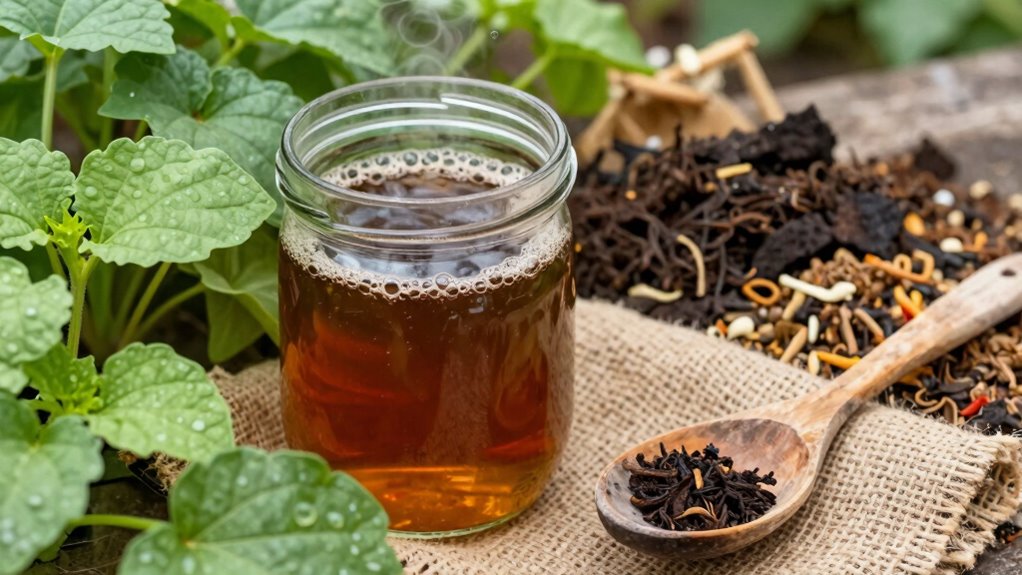
Choosing the right type of compost tea depends on your garden’s needs, as factors like aerobic versus anaerobic brewing, strength, and duration affect its benefits. You’ll also want to take into account whether organic or synthetic sources align best with your gardening approach. Understanding these differences helps you select the most effective compost tea for your plants. Incorporating compost tea can also support soil health and promote a thriving, biodiverse garden ecosystem. Additionally, understanding the brewing process can help ensure you produce a high-quality compost tea tailored to your garden’s specific requirements. Recognizing the science behind compost tea can further enhance your ability to optimize its benefits for plant growth and soil vitality, especially when considering microbial activity and how it influences plant health.
By grasping the benefits of microbial diversity, gardeners can better appreciate how compost tea contributes to overall plant resilience and soil vitality.
Aerobic vs. Anaerobic
Understanding the difference between aerobic and anaerobic compost teas is essential for selecting the right type for your garden. Aerobic teas are made with oxygen, promoting active microbial activity that boosts soil health. They’re typically brewed quickly and kept oxygen-rich, encouraging beneficial bacteria and fungi. Aerobic teas often smell fresh and earthy. Anaerobic teas, on the other hand, are brewed without oxygen, leading to different microbial communities that can sometimes produce undesirable byproducts. These teas can sometimes harbor pathogens if not prepared properly, making the proper brewing techniques crucial. Anaerobic teas can have a sour or rotten odor. Soil health benefits depend on the microbial diversity present. Utilizing proper brewing techniques ensures the effectiveness of aerobic compost teas and minimizes potential issues. Choosing the right type depends on your garden’s needs. Aerobic teas generally support healthier soil microbial activity, fostering robust plant growth.
Brew Strength and Duration
The strength and duration of your brew directly influence the quality and effectiveness of your compost tea. A stronger brew typically involves a higher concentration of nutrients and beneficial microbes, but overdoing it can harm plants or promote unwanted bacteria. The pH levels of your tea are also vital; keeping it between 6.0 and 7.0 ensures microbial activity stays ideal. Brewing temperature affects microbial growth too—aim for 55-70°F (13-21°C)—to maximize microbial diversity and activity. Longer brewing times can extract more nutrients, but over-brewing can lead to nutrient degradation or an imbalance of microbes. Adjust your brew strength and duration based on your garden’s needs, ensuring the tea remains balanced, well-aerated, and within the right pH and temperature ranges for best results. Additionally, monitoring microbial diversity during fermentation helps maintain a healthy and effective compost tea.
Organic vs. Synthetic Sources
Deciding between organic and synthetic sources for your compost tea depends on your garden’s goals and preferences. Organic options typically include compost, manure, or plant-based extracts, promoting soil health and fostering natural plant nutrition. Synthetic sources often involve chemical fertilizers or additives that provide quick nutrient boosts but may not support long-term soil vitality.
- Organic teas enhance microbial diversity, improving soil structure and resilience.
- Synthetic teas deliver immediate nutrients but might compromise soil health over time.
- Your choice impacts plant nutrition, balancing immediate needs versus sustainable growth.
Ultimately, organic compost tea supports a thriving ecosystem in your soil, leading to healthier plants and better long-term results, while synthetic options may suit specific short-term needs but require cautious use.
How to Use Compost Tea for Best Results

To get the best results from compost tea, apply it directly to your plants or soil when they need a boost. Use a sprayer or watering can to guarantee even coverage on foliage and soil surfaces. For pest management, foliar applications can help strengthen plants and reduce pest issues naturally. Before applying, conduct soil testing to determine nutrient deficiencies and adjust your compost tea recipe if needed. Regular applications, about every one to two weeks, support overall plant health and soil vitality. Avoid over-fertilizing, which can lead to imbalances. Keep in mind that compost tea is a supplement, not a replacement for proper soil management. Proper timing and consistent use will maximize its benefits and promote a thriving, healthy garden.
Common Myths About Compost Tea and What Science Says

Many beliefs about compost tea aren’t backed by science, so it’s important to distinguish myth from fact. Scientific research clarifies what practices are truly effective and which claims are exaggerated. Understanding these findings helps you make better decisions to optimize your compost tea use.
Myths vs. Evidence
Despite common beliefs, not all claims about compost tea are backed by scientific evidence. Many myths persist, but science shows that while compost tea can support soil enrichment, it’s not a magic solution for pest control or plant health. Some popular ideas include:
- Compost tea as a guaranteed method to eliminate pests completely
- That it provides instant, dramatic boosts to plant growth
- The belief that all compost teas contain beneficial microorganisms in sufficient quantities
In reality, compost tea can improve soil health when used properly, but it’s not a cure-all. Its primary value lies in fostering a healthy soil ecosystem rather than immediate pest eradication. Understanding what’s scientifically supported helps you make smarter, more effective gardening choices.
Scientific Findings Unveiled
Scientific research clarifies which claims about compost tea are valid and which are myths. Studies show that compost tea can boost soil microbes, supporting the natural nutrient cycling process. When you apply high-quality compost tea, it introduces beneficial microorganisms that help break down organic matter, releasing nutrients for plants. However, not all claims about rapid plant growth or disease suppression are fully backed by science. While compost tea can improve soil health over time, it’s not a miracle cure. The key is understanding that its benefits depend on proper brewing methods and application timing. Science confirms that compost tea can enhance soil microbial diversity, fostering a healthier, more resilient garden ecosystem—if used correctly. Avoid myths, and rely on proven practices to see real results.
Effective Practices Identified
Understanding what practices truly make compost tea effective is essential, especially since many common myths can lead gardeners astray. Scientific research highlights key practices that enhance compost tea application and support organic gardening techniques. To maximize benefits, focus on:
- Using high-quality compost and proper brewing methods to ensure beneficial microbes thrive.
- Applying compost tea at the right times and concentrations, such as during active plant growth stages.
- Avoiding overuse, which can lead to nutrient imbalances or pathogen buildup.
Troubleshooting: Fixing Common Compost Tea Problems

When your compost tea develops issues, identifying the problem quickly can save you time and improve your results. If your tea isn’t bubbling or smells off, soil compaction might be the culprit, reducing aeration and beneficial microbes. To fix this, loosen the soil surface or avoid over-application, which can lead to compaction. If pests still persist after spraying compost tea, check for contamination or improper brewing methods that may have introduced unwanted organisms. Guarantee your tea is well-aerated and brewed with clean materials. Also, avoid using it as a sole pest control method; combine it with integrated pest management practices for better results. Troubleshooting these common problems helps maximize compost tea’s benefits, supporting healthier plants and soils.
Easy Tips for Incorporating Compost Tea Into Your Gardening Routine
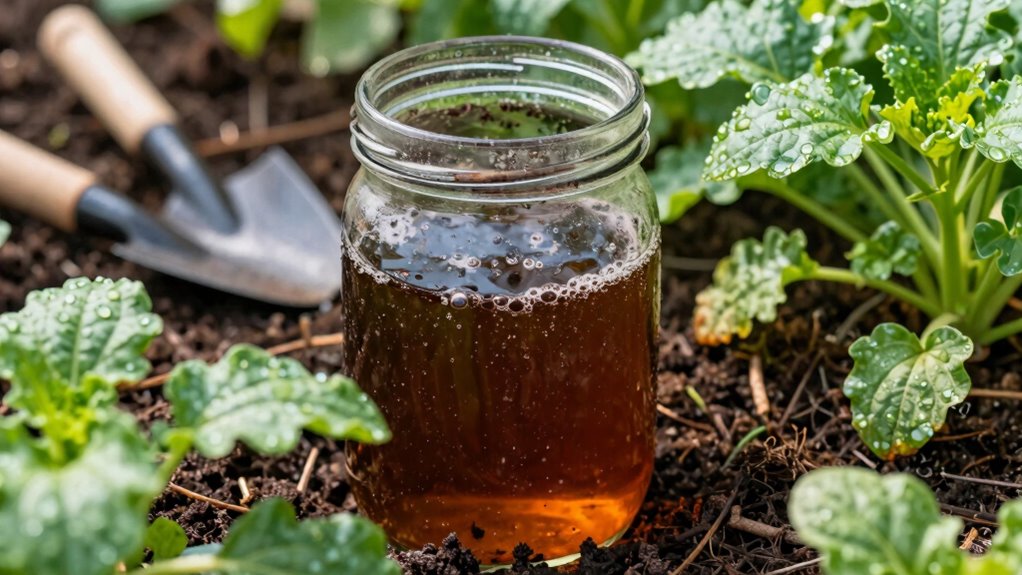
Incorporating compost tea into your gardening routine is simple and can substantially boost plant health. Regular use provides essential nutrients, promotes pest control, and encourages vigorous growth. To get started, consider these easy tips:
- Use watering tips to apply compost tea directly to the soil or as a foliar spray, ensuring even coverage.
- Apply early in the morning or late afternoon to maximize absorption and avoid rapid evaporation.
- Incorporate compost tea as part of your pest control strategy by spraying on leaves to deter insects naturally.
Consistency is key—regular applications help maintain healthy, resilient plants. Remember, compost tea isn’t a magic fix, but it’s a powerful tool when integrated thoughtfully into your routine.
Frequently Asked Questions
Can Compost Tea Replace Chemical Fertilizers Entirely?
Compost tea can’t fully replace chemical fertilizers, but it can substantially boost soil enrichment and support plant health. It supplies beneficial microbes that improve nutrient uptake and help with pest control naturally. While compost tea enhances soil and reduces the need for chemicals, for ideal growth, you should combine it with other organic practices and fertilizers. This integrated approach ensures your plants stay healthy and resilient without relying solely on compost tea.
How Long Does Compost Tea Last Before It Loses Effectiveness?
Think of compost tea like fresh-baked bread; it’s best enjoyed quickly. Usually, its shelf life is about 24 to 48 hours if stored properly in a cool, dark place, or in a sealed container in the fridge. To keep it effective, use it promptly, and avoid storing it for extended periods, as nutrients and beneficial microbes diminish over time. Always prioritize freshness for the healthiest plants.
Is It Safe to Use Compost Tea on Edible Crops?
Yes, it’s safe to use compost tea on edible crops if you follow proper food safety practices. Make sure to brew the tea under sanitary conditions, avoid using contaminated materials, and apply it at appropriate times to minimize pathogen risks. Always wash your produce thoroughly before eating and consider testing your compost tea if you’re unsure about its safety. Proper handling guarantees your crops stay healthy and safe to consume.
What Are the Environmental Impacts of Commercial Compost Tea Production?
Commercial compost tea production can impact the environment by raising pollution concerns if not managed sustainably. You should advocate for sustainable practices like proper waste management and eco-friendly ingredients to minimize runoff and emissions. By choosing producers committed to environmentally responsible methods, you help reduce pollution concerns and support greener alternatives. Your awareness and demand for sustainable practices can drive positive change and lessen the environmental footprint of compost tea production.
How Often Should I Apply Compost Tea for Optimal Plant Health?
You should apply compost tea about once a week to support healthy plant growth. Keep an eye on your plants’ response; if they thrive, maintain this schedule. If you notice signs of overwatering or nutrient excess, reduce application frequency. Consistent use helps improve soil health and boosts plant vigor. Adjust the frequency based on your plants’ needs, environmental conditions, and observed responses to maximize benefits.
Conclusion
Think of compost tea as a nourishing elixir for your garden’s health, like giving your plants a invigorating drink to keep them thriving. When you understand what’s real and skip the hype, you’re like a gardener tending a well-tended forest—each sip building stronger roots and richer soil. Embrace the process, troubleshoot with patience, and watch your garden flourish as if it’s waking up to a new, vibrant day.