
Integrated pest management combines natural biological controls, like predators and parasites, with careful chemical use to keep pest levels in check. You can reduce reliance on broad-spectrum pesticides by introducing beneficial insects and practicing habitat manipulation. When pests become overwhelming, selective, less harmful chemicals can be used alongside other methods. This balanced approach promotes healthier ecosystems and sustainable pest control. To discover how to implement these strategies effectively, keep exploring reliable methods and practices.
Key Takeaways
- IPM combines biological, cultural, habitat, and chemical methods for sustainable pest control.
- Biological options include natural enemies like predators, parasites, and pathogens.
- Chemical options are used selectively and judiciously when biological control alone is insufficient.
- Proper pest management involves understanding pest life cycles and integrating multiple strategies.
- Combining natural and chemical methods helps reduce reliance on pesticides and promotes ecological balance.
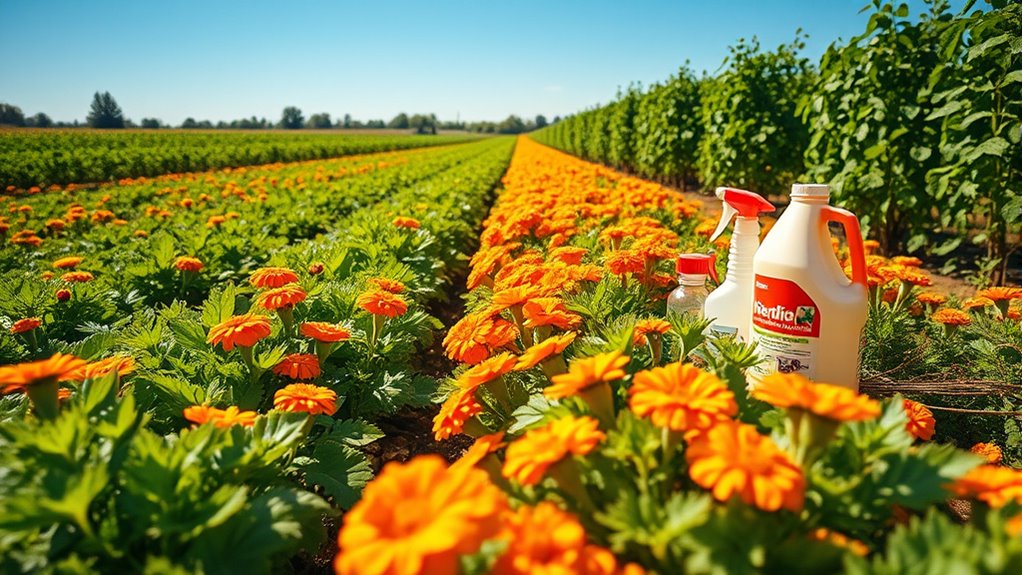
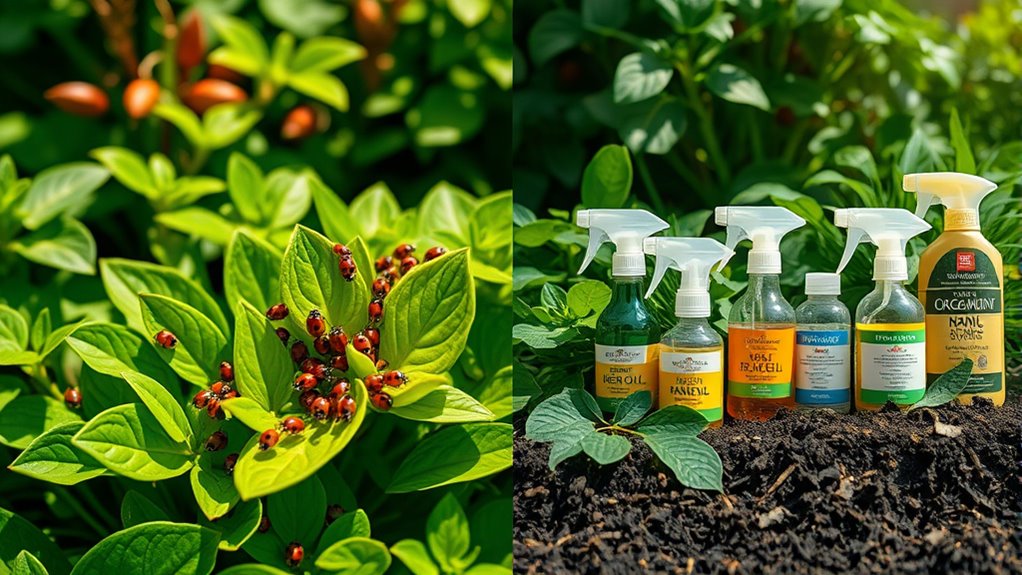
Have you ever wondered how farmers and gardeners control pests without relying solely on chemical pesticides? It’s a smart question because chemical pesticides, while effective, can cause environmental damage and harm beneficial insects. That’s where biological control comes into play, offering a natural alternative that targets pests without introducing harmful chemicals into the environment. Biological control involves using natural enemies—such as predators, parasites, or pathogens—to suppress pest populations. For example, releasing ladybugs to control aphids or introducing specific parasitic wasps to keep pest numbers in check are common strategies. These methods work with nature rather than against it, helping maintain a balanced ecosystem in your garden or farm.
Biological control uses natural enemies like ladybugs and parasitic wasps to manage pests sustainably and environmentally friendly.
Using biological control requires understanding pest life cycles and the natural enemies that can keep them in check. It’s a sustainable approach that reduces the need for chemical pesticides, which often have broad-spectrum effects, killing beneficial insects along with pests. By integrating biological control, you support a healthier environment, decrease chemical runoff, and promote soil and water quality. Plus, biological control methods tend to be more specific, targeting only the pests you want to manage, which minimizes collateral damage to beneficial insects like pollinators and other helpful organisms.
In addition, Vetted biological control options are available that have been tested for safety and effectiveness, helping you make informed decisions. However, biological control isn’t a silver bullet. Sometimes pest populations can grow quickly, especially if conditions favor their reproduction. In these cases, chemical pesticides might be necessary, but they should be used judiciously. When you do opt for chemical pesticides, it’s important to choose those that are less harmful and apply them in a targeted manner, ideally after biological controls have been tried or alongside them in an integrated approach. This combination ensures immediate relief from pests while maintaining long-term ecological balance.
The key to successful integrated pest management is understanding when and how to use each tool. Biological control offers a sustainable, environmentally friendly option, but it works best as part of a broader strategy that includes cultural practices, habitat manipulation, and, when needed, chemical pesticides. This integrated approach not only protects your crops or plants but also fosters a resilient ecosystem less dependent on chemicals. As you learn more about biological control and its role in integrated pest management, you’ll find that managing pests becomes a more balanced, effective process that benefits both your plants and the environment.
Frequently Asked Questions
How Do I Choose Between Natural and Chemical Pest Control Methods?
To choose between natural and chemical pest control methods, consider the environmental impact and safety considerations. Natural options are eco-friendly and safer for people and pets, making them ideal for sensitive areas. Chemical methods may be more effective for severe infestations but pose higher risks to the environment and health. Evaluate your specific situation, pest severity, and long-term effects to make an informed decision that balances effectiveness with safety.
Are There Any Legal Restrictions on Using Chemical Pesticides?
You should be aware that pesticide restrictions vary by location, so legal compliance is vital before use. Always check local, state, and federal regulations to guarantee you’re following the law. Some pesticides are banned or require specific licenses, and improper use can lead to fines or legal action. To stay compliant, read labels carefully, use approved products, and keep records of your pesticide applications.
How Effective Are Natural Pest Control Options Long-Term?
Natural pest control options can be effective long-term if you focus on building long-term sustainability and minimizing ecological impact. By promoting healthy soil, encouraging beneficial insects, and rotating crops, you create a balanced ecosystem that reduces pests naturally. While they may require more consistent effort initially, natural methods tend to be environmentally friendly and sustainable over time, helping you maintain a healthy garden without relying heavily on chemicals.
Can Integrated Pest Management Be Used Indoors?
Yes, you can use integrated pest management indoors. It combines natural methods with chemical restrictions, making it effective for indoor pest management. You’ll focus on physical barriers, sanitation, biological controls, and targeted, minimal chemical use. This approach reduces risks to your family and pets while addressing pests efficiently. Just verify you adapt strategies to your indoor environment and follow safety guidelines for any chemical applications.
What Are the Costs Associated With Natural Versus Chemical Options?
Imagine a garden teeming with life, where natural options like beneficial insects or organic sprays cost less upfront but may require more frequent application, affecting your time and effort. Chemical treatments often have higher initial costs but can be more effective quickly. The economic impact varies, with natural methods typically causing fewer environmental costs, while chemical options might lead to long-term expenses due to environmental damage and health risks.
Conclusion
By combining natural methods with chemical options, you create a balanced approach to pest control. You protect your crops, preserve your environment, and promote sustainability. You use prevention and intervention, monitoring and managing, patience and action. This integrated strategy empowers you to stay ahead of pests, reduce reliance on chemicals, and achieve healthier, more resilient gardens or farms. Embrace both natural and chemical tools, and take control of your pest management with confidence and care.