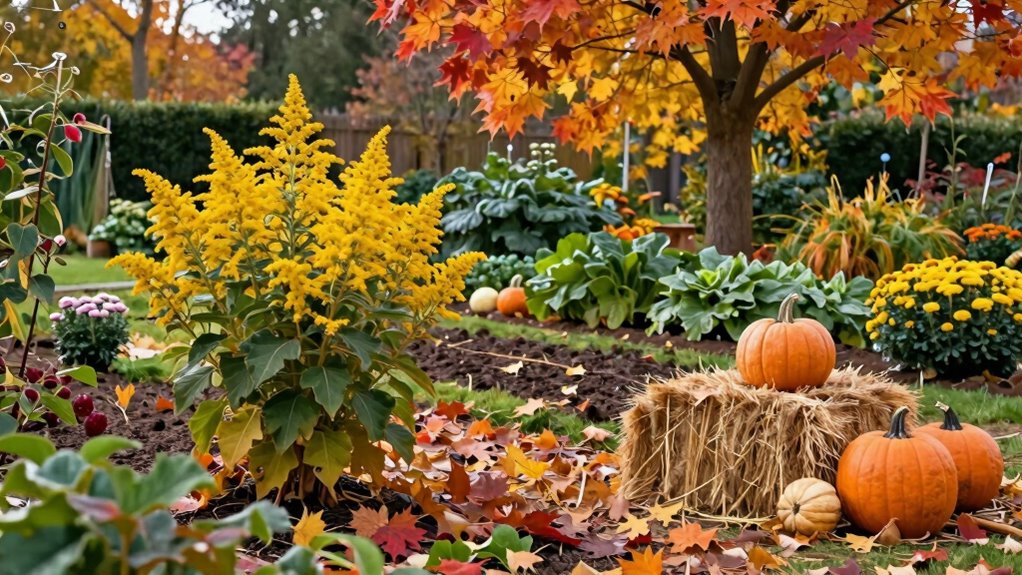

To plan a better fall garden before summer ends, start by testing your soil and amending it with compost or lime to boost nutrients. Choose crops like greens, root vegetables, and brassicas that thrive in cooler weather, and consider using cover crops to improve soil health. Plan your planting schedule, incorporate companion planting for pests and growth, and prepare tools and protection like row covers. Keep an eye on weather and plant health to adjust as needed—more strategies to guarantee a lush fall garden await you.

Get garden gear delivered free with Prime
- Fast, free delivery on millions of items
- Prime Video, Amazon Music and more included
- Member-only deals all year
Key Takeaways
- Conduct soil testing and amend with compost or lime to ensure optimal nutrient levels before fall planting.
- Select and start planting cool-season crops like greens and root vegetables early for a timely harvest.
- Plan companion planting combinations to improve pest control and maximize space efficiency.
- Incorporate cover crops to enhance soil health and prepare for next year’s planting cycle.
- Use row covers and indoor planting techniques to extend the growing season into late fall.

Fall is the perfect time to start planning a garden that thrives in cooler weather and extends your growing season. As summer winds down, you can take advantage of this period to prepare your soil and select plants that will flourish in the upcoming months. One of the most effective ways to maximize your fall garden’s success is through thoughtful companion planting. By pairing plants that support each other’s growth, you can naturally improve pest control, boost growth, and make efficient use of space. For example, planting carrots alongside onions can help repel pests, while beans can fix nitrogen in the soil, benefitting nearby crops. Planning these combinations ahead of time guarantees you create a harmonious garden that’s resilient and productive. Additionally, understanding companion planting benefits can help you design a more sustainable and healthy garden ecosystem.
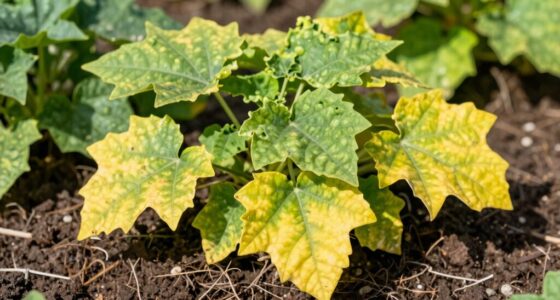
Before diving into planting, it’s essential to conduct soil testing. This step provides valuable insights into your soil’s nutrient levels, pH balance, and drainage capabilities. With this information, you can amend your soil appropriately, adding compost, lime, or other amendments to create ideal conditions for your fall crops. Soil testing saves you guesswork and helps you avoid common pitfalls like poor growth or disease susceptibility caused by nutrient deficiencies. It’s a simple yet vital step that sets the foundation for a successful fall garden. Once you know what your soil needs, you can plan your planting schedule, selecting crops suited to your soil’s current condition or those that might benefit from specific amendments. Incorporating soil health principles can further enhance your garden’s productivity over time. Using soil testing as part of your planning process allows for more targeted and effective adjustments, leading to healthier plants and better yields. Additionally, selecting appropriate crop varieties suited for fall growing conditions can increase your success rate and extend your harvest window.
Conduct soil testing first to optimize conditions and prevent poor growth or disease.
As you plan, consider the timing of your planting to make the most of the cooler weather. Many vegetables like leafy greens, root vegetables, and brassicas thrive in fall, and some can even be harvested well into winter with proper protection. Think about crop rotation to prevent soil depletion and reduce pest buildup. Incorporating cover crops like clover or rye during the off-season to improve soil health, prevent erosion, and add organic matter. This not only prepares your garden for next year but also enhances the overall productivity of your current planting season. Moreover, understanding the benefits of cover crops can help you choose the best plants to improve your soil’s structure and fertility.
Finally, stay flexible with your plans. Weather can be unpredictable, and some crops may need to be moved indoors or covered with row covers to extend their growing period. Regularly monitor your garden’s progress, adjusting your strategies based on plant health and weather conditions. By starting your planning early with a focus on companion planting and soil testing, you’ll set yourself up for a lush, abundant fall garden that extends your outdoor growing season and provides fresh, nutritious produce long after summer ends.
As an affiliate, we earn on qualifying purchases.
Frequently Asked Questions
What Are the Best Fall Crops for My Region?
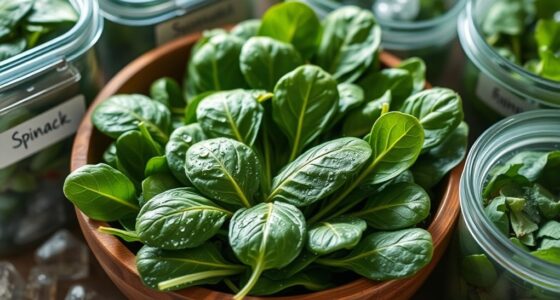
You should consider planting cool-season crops like lettuce, kale, spinach, radishes, and broccoli, which thrive in fall. To maximize your harvest, use companion planting—pairing crops like carrots with onions to deter pests. This also helps with pest management naturally. Choose plants suited for your region’s climate, and plan your garden layout to optimize space and pest control, ensuring a healthy, productive fall garden.
When Is the Ideal Planting Time for Fall Gardens?
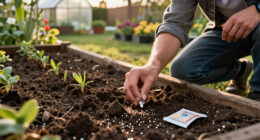
You should plant your fall garden about 6 to 8 weeks before your first expected frost date. This timing allows your crops to mature before cold weather hits. Use companion planting to improve pest control naturally, pairing plants that repel pests with your fall crops. By timing your planting right and incorporating companion planting, you give your garden the best chance for a healthy, pest-free harvest before winter arrives.
How Can I Extend My Growing Season Into Fall?
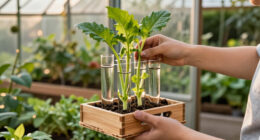
To extend your growing season into fall, you need to act early. Use season-extending techniques like row covers and cold frames to protect your plants from frost, maintaining vibrant garden aesthetics. Incorporate pest management strategies to keep pests at bay as temperatures drop. These efforts let you enjoy fresh produce longer, transforming your garden into a colorful, thriving space well into the cooler months.
What Soil Amendments Improve Fall Garden Yields?
To improve your fall garden yields, focus on compost enrichment and soil testing. Compost adds essential nutrients and organic matter, boosting soil fertility. Conduct soil testing first to identify nutrient deficiencies and pH imbalances. Based on results, amend your soil with the right fertilizers and organic materials. This proactive approach guarantees your soil remains healthy and productive, giving your fall crops the best chance to thrive and yield abundantly.
How Do I Protect Fall Plants From Early Frosts?
Imagine you’ve planted lettuce and spinach, but a sudden frost threatens your harvest. You can safeguard your fall plants by covering them with garden fleece or frost blankets overnight. These materials trap heat and insulate your plants, preventing frost damage. Be sure to secure the covers around the edges to keep cold air out. This simple step ensures your crops stay healthy and harvest-ready despite early frosts.
Conclusion
Planning your fall garden now means you’ll enjoy fresh produce even after summer fades. Did you know that planting certain vegetables in late summer can extend your growing season by up to six weeks? By choosing the right crops and preparing your soil early, you maximize your harvest and minimize last-minute stress. So, start planning today, and you’ll be rewarded with a bountiful, vibrant garden that lasts well into the cooler months.
Fall yard work Picks
leaf blowers
As an affiliate, we earn on qualifying purchases.