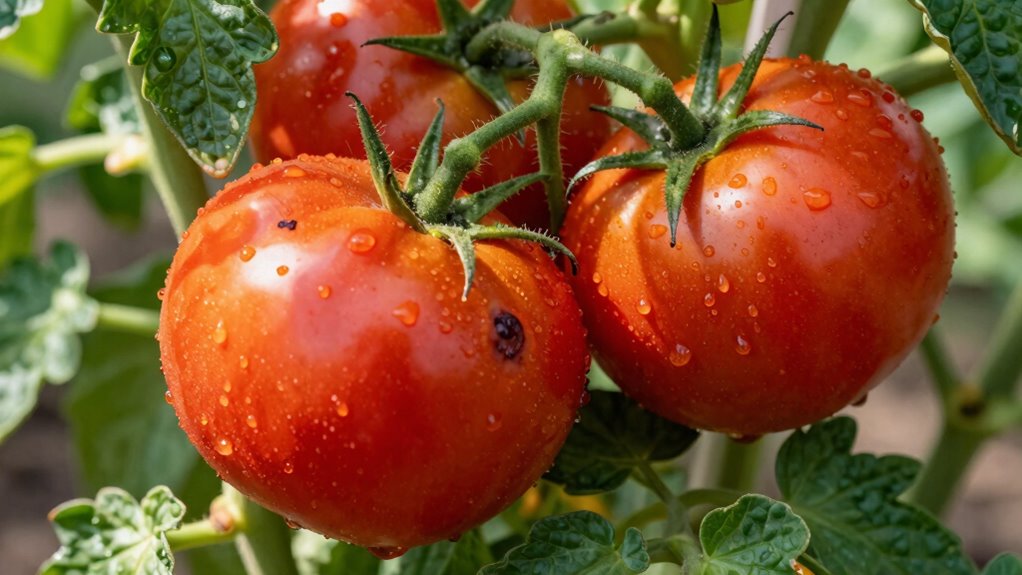

To prevent blossom-end rot without overreacting, focus on maintaining consistent soil moisture and perform regular soil tests to check nutrient levels, especially calcium. Use balanced fertilization and incorporate calcium-rich amendments as needed, avoiding excessive nitrogen. Keep the soil pH ideal for calcium absorption and mulch to regulate moisture. Monitoring your plants helps catch issues early and keeps stress levels low. Staying attentive to these practices can help you manage the problem effectively; discover more tips ahead.

Get garden gear delivered free with Prime
- Fast, free delivery on millions of items
- Prime Video, Amazon Music and more included
- Member-only deals all year
Key Takeaways
- Conduct regular soil tests to monitor calcium levels and adjust soil pH as needed.
- Maintain consistent, even watering to prevent stress and promote uniform calcium absorption.
- Incorporate calcium-rich amendments like lime or calcium nitrate into routine soil management.
- Use balanced fertilizers and avoid excess nitrogen that can hinder calcium uptake.
- Regularly observe plants for early signs of stress and address issues proactively.
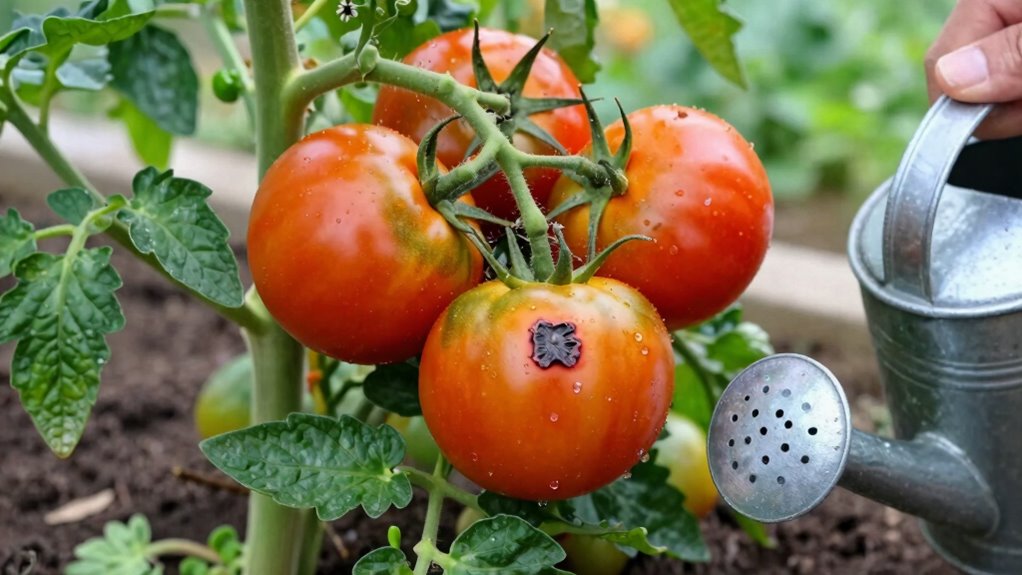
Have you ever noticed dark, sunken spots on the bottom of your tomatoes or peppers? That’s a classic sign of blossom-end rot, a common issue many gardeners face. It can be frustrating to see your healthy-looking produce suddenly develop these blemishes, but the good news is that you can prevent it without overreacting or resorting to drastic measures. The key lies in understanding what causes it and how to address those underlying problems effectively.
First, it’s helpful to start with soil testing. Many gardeners overlook this step, but knowing your soil’s nutrient levels can make a significant difference. Blossom-end rot isn’t caused by pests or diseases; it’s a calcium deficiency in the fruit, often due to inconsistent watering or poor soil conditions. Soil testing helps you identify whether your soil lacks calcium or if other nutrients are imbalanced. If the test reveals low calcium levels, adding calcium supplements can be an easy fix. You can use products like calcium nitrate or agricultural lime, but always follow the recommended application rates. Proper calcium levels support cell wall development in the fruit, making it less prone to rot. Remember, calcium isn’t absorbed by plants efficiently if the soil pH is off or if watering practices are inconsistent, so adjusting pH and watering habits are equally important.
Start with soil testing to ensure proper calcium levels and balanced nutrients for healthy, rot-resistant fruit.
To prevent blossom-end rot, maintain consistent watering practices. Fluctuations in moisture levels cause plants to struggle with calcium uptake, even if the soil has enough. Aim to keep the soil evenly moist, especially during hot or dry periods. Mulching around your plants helps retain soil moisture and keeps the roots from drying out, reducing stress. Fertilize thoughtfully; avoid excessive nitrogen, which can promote lush foliage at the expense of fruit development, and instead, focus on balanced fertilizers that support fruit growth. Incorporating calcium-rich amendments or supplements into your routine can further bolster your plants’ defenses. Additionally, understanding the importance of soil pH and its effect on nutrient absorption can help you create optimal growing conditions. Regularly testing and adjusting your soil’s pH ensures that nutrients like calcium are more readily available.
Monitoring your plants regularly is another essential step. Keep an eye out for early signs of stress, inconsistent watering, or nutrient deficiencies. If you notice the problem recurring, revisit your soil testing results, adjust your fertilization schedule, and ensure your watering practices are stable. Taking a holistic approach to soil health can improve overall plant resilience against issues like blossom-end rot. By taking these simple, proactive steps, you can minimize the risk of blossom-end rot and enjoy healthy, beautiful fruits. Remember, preventing this issue doesn’t require overreacting—just attention, proper soil management, and consistent care.
As an affiliate, we earn on qualifying purchases.
Frequently Asked Questions
Can Blossom-End Rot Affect All Fruit Types Equally?
Blossom-end rot doesn’t affect all fruit varieties equally; some are more vulnerable due to their thick skins or growth habits. For example, tomatoes and peppers are more prone, while berries are less impacted. Pest impact can also increase susceptibility, as pests can stress plants and worsen nutrient deficiencies. To protect your fruit, monitor moisture levels and provide consistent calcium, regardless of the fruit variety, to reduce the risk of blossom-end rot.
Does Soil pH Influence Blossom-End Rot Occurrence?
Yes, soil pH influences blossom-end rot occurrence. You should conduct soil testing regularly to determine your soil’s pH level. If it’s too acidic or alkaline, pH adjustment can help prevent the problem. Adjust your soil’s pH with amendments like lime or sulfur, depending on your test results. Maintaining the pH within the ideal range for your plants helps guarantee proper calcium uptake and reduces blossom-end rot risk.
Are There Natural Remedies to Reverse Blossom-End Rot?
Natural remedies can help reverse blossom-end rot, but they mainly focus on correcting nutrient deficiencies. You should start by applying calcium-rich amendments like crushed eggshells or lime to your soil. Also, make certain consistent watering to prevent stress. While these natural remedies support reversing blossom-end rot, they work best when combined with proper soil management and nutrition. Remember, quick fixes may not fully resolve the issue, so patience is key.
How Long Does It Take to See Improvement After Treatment?
You’ll typically see improvement within one to two weeks after addressing nutrient deficiency and optimizing water management. Consistently providing calcium through natural remedies helps prevent blossom-end rot, but it takes time for plants to absorb the nutrients and show results. Keep watering evenly and avoid overwatering, as proper water management supports nutrient uptake. Patience is key, and with steady care, your plants should recover and produce healthy fruit again.
Can Pruning Help Prevent Blossom-End Rot?
Pruning techniques can indeed help prevent blossom-end rot by improving airflow and reducing stress on your plants. When you prune correctly, you encourage better nutrient management, ensuring calcium reaches the fruit more efficiently. While pruning isn’t a magic bullet, it’s a powerful tool to support healthy growth. Just be gentle and strategic—over-pruning might cause more harm than good, so think of it as fine-tuning your plant’s health rather than overreacting.
Conclusion
By staying vigilant about consistent watering, maintaining balanced soil calcium, and avoiding over-fertilizing, you can keep blossom-end rot at bay. Think of your garden as a delicate symphony—every note (or nutrient) must be perfectly timed and balanced. With these simple steps, you’ll safeguard your plants against this destructive foe and enjoy a bountiful harvest that could rival the most abundant gardens in the universe. Stay attentive, and your garden will thrive beyond your wildest dreams!
Columbus Day / Indigenous Peoples' Day Picks
long weekend sales
As an affiliate, we earn on qualifying purchases.