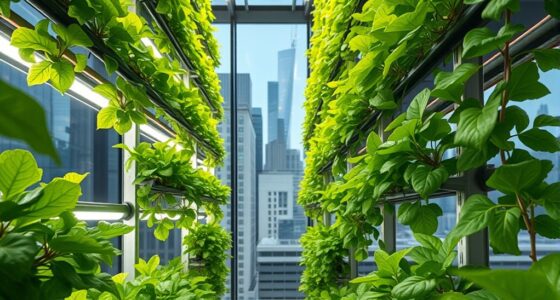
For ideal raft hydroponic growth, you need to practice better cleaning habits between crops. Regularly inspect and sterilize your equipment, change nutrient solutions, and keep your system free of algae, bacteria, and residue. Maintaining a clean environment prevents diseases and nutrient imbalances, ensuring healthier plants and higher yields. Consistent sanitation not only boosts crop quality but also extends your system’s lifespan. Keep these practices in mind, and you’ll discover more tips to maximize your hydroponic success.

Get garden gear delivered free with Prime
- Fast, free delivery on millions of items
- Prime Video, Amazon Music and more included
- Member-only deals all year
Key Takeaways
- Regularly clean and sterilize reservoirs, pumps, and tubing to prevent pathogen buildup and ensure system hygiene.
- Change nutrient solutions between crops to avoid residual salts and nutrient imbalances.
- Inspect and maintain equipment frequently to identify and address potential contamination sources.
- Use disinfectants like vinegar or appropriate sterilizers to eliminate bacteria, fungi, and algae.
- Maintain a clean environment around the hydroponic setup to reduce airborne spores and promote healthy growth.
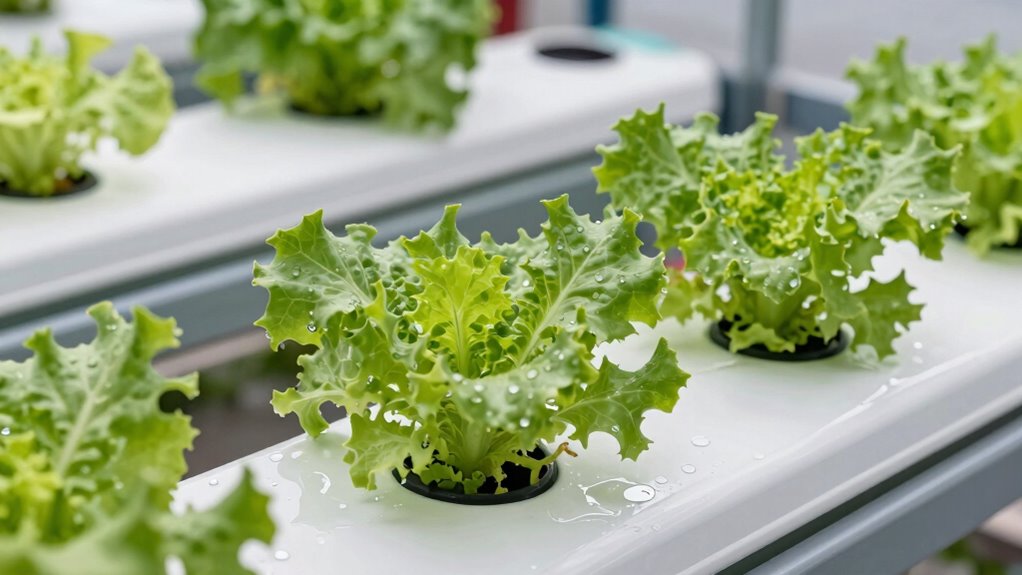
If you’re growing plants using raft hydroponics, maintaining clean systems isn’t just about hygiene—it’s vital for healthy, high-yield crops. The success of your setup depends heavily on proper nutrient solution management and equipment sterilization. When you keep these elements in check, you reduce the risk of disease, algae growth, and nutrient imbalances that can stunt your plants’ development.
Nutrient solution management is central to a thriving hydroponic system. You need to regularly check and adjust your nutrient levels, pH, and electrical conductivity to guarantee your plants receive the right balance of nutrients. Clean water and fresh solutions prevent the buildup of salts and harmful bacteria that can compromise plant health. When you change the nutrient solution between crops, it’s vital to thoroughly clean your reservoirs and delivery lines. This prevents residual nutrients from accumulating and creating a breeding ground for pathogens. Regularly inspecting and maintaining your hydroponic equipment can help prevent issues before they arise. Consistent monitoring and timely replenishment keep your plants happy and productive. Proper system maintenance ensures your entire hydroponic setup remains healthy and efficient. Additionally, understanding the importance of system sanitation can significantly reduce the risk of recurring problems. Incorporating proper cleaning techniques is also essential to effectively eliminate potential contaminants. Maintaining a clean environment around your setup can further reduce the risk of airborne spores settling on your equipment and plants.
Equipment sterilization is equally important. After each harvest, you should thoroughly clean all components that come into contact with your plants or nutrient solutions. This includes the raft, reservoirs, pumps, and tubing. Use a suitable disinfectant or a vinegar solution to eliminate any lingering bacteria, fungi, or algae. Sterilization prevents cross-contamination between crops and reduces the likelihood of disease outbreaks. Remember, even small amounts of residue can harbor pathogens that can quickly spread once you start your new crop cycle. By making sterilization a routine part of your cleaning habits, you safeguard your plants’ health and maximize your yields.
Incorporating a regular cleaning routine between crops isn’t just about avoiding problems; it’s about creating an ideal environment for your plants to thrive. Keep your nutrient solutions fresh and well-managed, and never neglect the importance of sterilizing your equipment. These practices may take a little extra time, but they pay off with healthier plants, better growth rates, and higher overall yields. When you treat your hydroponic system with care and attention, you’re setting yourself up for success. Clean systems foster a more stable environment, guaranteeing your crops grow vigorously and reach their full potential. So, stay vigilant with your cleaning habits, and your raft hydroponics system will reward you with abundant, healthy harvests.
As an affiliate, we earn on qualifying purchases.
Frequently Asked Questions
How Often Should You Clean Your Hydroponic Raft System?
You should clean your hydroponic raft system weekly to prevent algae buildup and reservoir contamination. Regular cleaning helps remove algae, which can clog pumps and reduce oxygen levels, and prevents the spread of diseases between crops. During cleaning, check for any buildup or debris, scrub surfaces thoroughly, and sterilize the reservoir. Consistent maintenance guarantees your system runs efficiently, keeps your plants healthy, and maximizes crop yields.
What Cleaning Solutions Are Safest for Hydroponic Systems?
Ever wonder how to keep your hydroponic system safe and healthy? Use organic cleaning solutions like vinegar or baking soda for chemical safety, ensuring no harmful residues remain. Are you prioritizing your plants’ health? Avoid harsh chemicals that could compromise your crop’s growth. Organic cleaning is gentle yet effective, helping prevent disease and build-up. By choosing safe solutions, you protect your plants and enjoy a thriving, sustainable hydroponic garden.
Can Improper Cleaning Affect Crop Yields?
Yes, improper cleaning can considerably reduce your crop yields. When you neglect thorough cleaning, contamination risks increase, which can lead to disease outbreaks among your plants. This makes disease prevention more difficult and can stunt growth or cause plant death. By maintaining good cleaning habits between crops, you minimize contamination risks, promote healthier roots, and guarantee your hydroponic system produces higher yields. Proper sanitation is essential for successful, consistent crop production.
Are There Specific Cleaning Tools Recommended for Raft Systems?
Did you know that proper cleaning tools can reduce disease spread by up to 80%? For raft systems, use soft brushes, scrub brushes, and non-abrasive cloths to prevent damage. Stick to a regular cleaning schedule, and guarantee your tools are thoroughly sanitized after each use. Regular tool maintenance keeps them effective and prevents contamination, helping you maintain healthy crops and maximize yields in your hydroponic setup.
How Do Cleaning Habits Influence Nutrient Efficiency?
Your cleaning habits directly influence nutrient absorption and root health in your raft hydroponics system. Regularly cleaning your setup prevents algae buildup and biofilm, which can block nutrient flow and hinder root development. When you maintain a clean environment, roots stay healthier, absorb nutrients more efficiently, and promote vigorous plant growth. Consistent cleaning ensures your system remains ideal, reducing disease risks and maximizing your crop yields.
Conclusion
So, next time you’re tempted to skip cleaning your raft hydroponics system, remember: ignoring those habits might be the one thing that sinks your crop success. Ironically, neglecting cleanliness can turn your thriving setup into a breeding ground for problems. It’s simple—better cleaning habits mean healthier plants and more bountiful harvests. Don’t let a little extra effort wash away your hard work; after all, cleanliness really is next to crop-ness.
Fall Picks
fall essentials
As an affiliate, we earn on qualifying purchases.