
You can cut pest pressure by carefully timing your crops to avoid peak pest activity and reproductive cycles. Use pest activity patterns and lifecycle data to plan planting schedules that minimize vulnerable windows. Incorporate pest-resistant varieties and synchronize beneficial insects with pest peaks to bolster biological control. By adjusting planting times, you disrupt pest development and reduce infestations, leading to healthier crops. Keep exploring to discover specific strategies that can make your pest management even more effective.

Get garden gear delivered free with Prime
- Fast, free delivery on millions of items
- Prime Video, Amazon Music and more included
- Member-only deals all year
Key Takeaways
- Schedule planting to avoid peak pest activity periods, reducing infestation risks.
- Use pest-resistant crop varieties during vulnerable growth stages.
- Align planting times with pest life cycles to disrupt reproduction and growth.
- Synchronize beneficial organisms with pest peaks to enhance natural biological control.
- Monitor pest activity patterns and adjust planting schedules accordingly for optimal pest suppression.
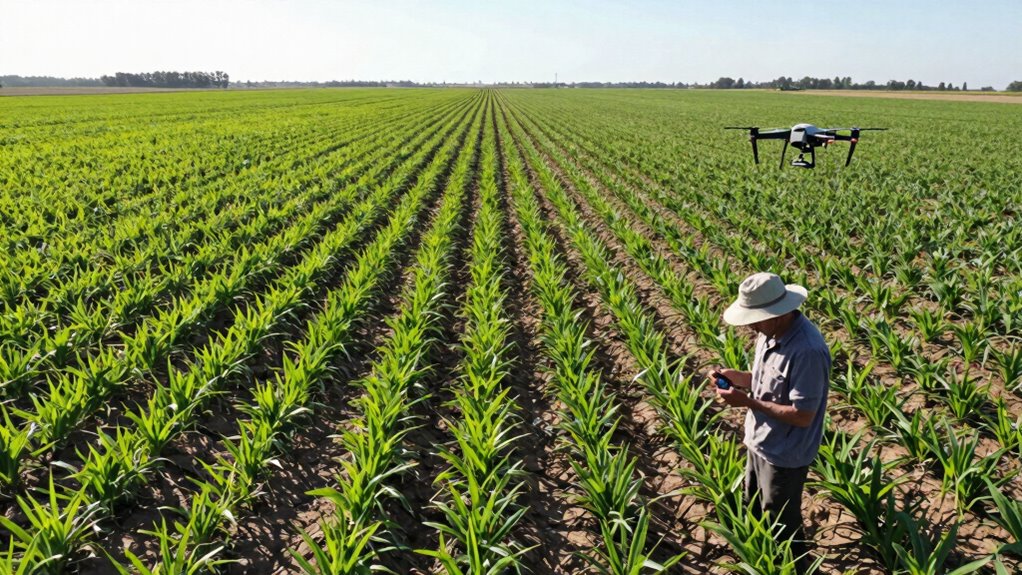
Timing your crops carefully can considerably reduce pest problems. When you plan your planting schedule strategically, you minimize the window of vulnerability for pests and give your crops a better chance to thrive. One effective approach is to choose pest resistant varieties, which are specially bred to withstand common pest attacks. These varieties have built-in defenses, making it harder for pests to establish themselves. By planting pest resistant varieties at crucial times, you can prevent infestations from taking hold early in the season, reducing the need for chemical interventions and lowering overall pest pressure.
Additionally, understanding the life cycles of your pests and aligning your planting schedule accordingly can make a significant difference. For example, if a pest is most active during a specific period, you can time your planting so that your crops are less susceptible during that peak activity window. This might mean planting slightly earlier or later than usual, depending on your pest cycle data. Such precise timing can interrupt the pests’ reproductive cycle, limiting their ability to establish large populations. Proper crop timing also helps enhance the effectiveness of biological control methods, as it ensures beneficial organisms and pests are active simultaneously, increasing the chances of natural pest suppression. Recognizing pest activity patterns and adjusting your planting schedule accordingly can further improve pest management outcomes.
Beyond crop timing and pest resistant varieties, biological control methods serve as a natural way to keep pests in check. These methods involve introducing or encouraging beneficial insects and organisms that prey on pests, creating an ecological balance in your fields. For instance, releasing ladybugs to control aphids or encouraging parasitic wasps that target specific pests can reduce pest numbers without harmful chemicals. The key is to synchronize these biological control methods with your timing strategies so that beneficial organisms are present when pests appear. Proper timing ensures these natural allies are active and effective when pest populations are at their most vulnerable. An understanding of pest suppression techniques can further optimize sustainable pest management practices. Incorporating biological control into your pest management plan can enhance sustainability and reduce reliance on chemical pesticides.
As an affiliate, we earn on qualifying purchases.
Frequently Asked Questions
How Does Weather Influence Optimal Crop Timing for Pest Control?
Weather considerably influences ideal crop timing for pest control because climate variability affects pest lifecycle stages. Warmer temperatures can speed up pests’ development, requiring earlier planting or intervention. Conversely, cooler or unpredictable weather may delay pest emergence, giving you a chance to adjust planting schedules. By monitoring weather patterns and understanding pest lifecycle timing, you can better synchronize your crop planting to minimize pest pressure effectively.
Can Crop Rotation Complement Timing Strategies for Pest Management?
Like the turning of the seasons, crop rotation complements timing strategies by disrupting pest cycles and promoting soil health. By alternating crops, you reduce pest resistance and break their life cycles, making pests less likely to thrive. This synergy enhances your pest management efforts, ensuring healthier plants. Together, crop rotation and timing create a resilient system, much like a well-orchestrated symphony that keeps pests at bay and nurtures your soil.
What Pests Are Most Affected by Planting Schedules?
You’ll find that pests like aphids, beetles, and caterpillars are most affected by planting schedules due to their lifecycle stages. Timing synchronization is key, as planting too early or late can either expose crops to peak pest activity or miss vulnerable stages. By aligning planting with pest lifecycle patterns, you reduce pest pressure, making it easier to protect your crops naturally and efficiently.
How Do Planting Depth and Timing Interact in Pest Suppression?
Planting depth and timing work together to suppress pests effectively. By adjusting planting depth, you can delay pest emergence, giving your crops a head start before pests appear. Deeper planting can slow down the life cycle of pests that target seedlings, reducing damage. When you time planting correctly and choose appropriate depths, you disrupt pest development, creating a less hospitable environment and lowering pest pressure naturally.
Are There Specific Crop Varieties Better Suited for Timing-Based Pest Reduction?
Yes, choosing pest-resistant crops or specific crop varieties suited for your timing strategy helps reduce pest pressure. You should prioritize crop variety selection that naturally resists pests, especially those adapted to your local conditions. Planting pest-resistant crops at ideal times minimizes pest activity and damage. By integrating timing with the right crop variety selection, you can effectively manage pests and improve your overall yield without relying heavily on chemical controls.
Conclusion
By adjusting your crop timing, you can act like a skilled conductor, guiding pests away from your fields before they become a major problem. Think of it as catching a wave just right—riding it smoothly instead of getting caught in the rough surf. When you plan your planting schedule wisely, you’re not just growing crops; you’re outsmarting pests and giving your harvest the best chance to thrive. Timing truly is your secret weapon.
Fall yard work Picks
leaf blowers
As an affiliate, we earn on qualifying purchases.