
To reduce harvest damage in root crops, guarantee your soil has good structure and proper aeration to support strong roots. Lightly irrigate a day or two before harvesting to keep the soil moist and easier to extract roots without breaking. Rotate crops each season to promote healthy soil and roots. Use gentle harvesting methods and avoid compacting the soil around roots. Keeping these practices in mind will make harvests smoother and less damaging—discover more tips below.

Get garden gear delivered free with Prime
- Fast, free delivery on millions of items
- Prime Video, Amazon Music and more included
- Member-only deals all year
Key Takeaways
- Maintain consistent soil moisture levels to keep roots firm and minimize cracking during harvest.
- Improve soil aeration and drainage to reduce soil compaction around roots, easing extraction.
- Use gentle harvesting tools and techniques to prevent root breakage and damage.
- Rotate crops regularly to promote healthy, resilient roots less prone to damage.
- Incorporate organic matter and cover crops to enhance soil health and support strong root development.
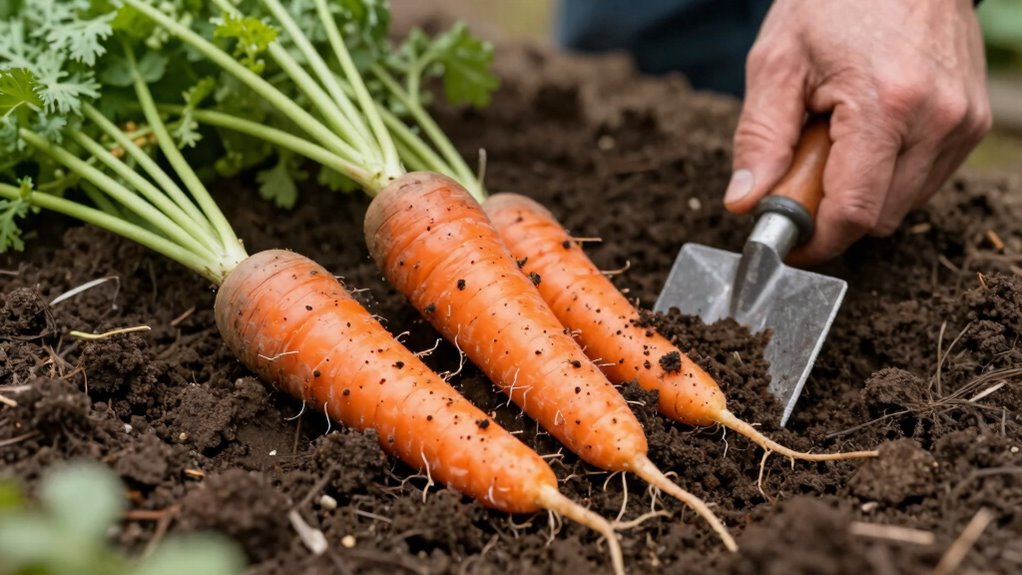
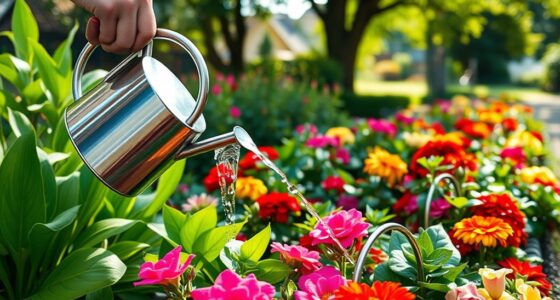
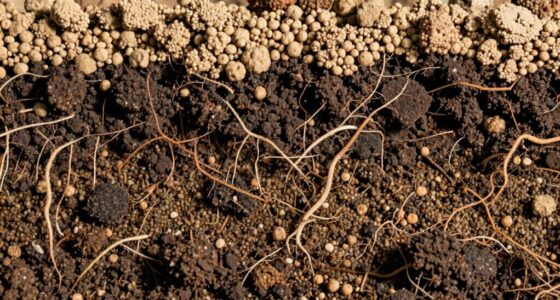
Harvesting root crops can be tricky because they’re often delicate and prone to damage, which can reduce their quality and shelf life. To minimize this, understanding how soil conditions impact your harvest is essential. One key factor is soil moisture. If the soil is too wet, roots can become mushy and prone to breakage during digging. Conversely, if it’s too dry, roots may become brittle and crack easily. The ideal approach is to keep soil moisture at a moderate level—enough to soften the soil slightly, making extraction easier without compromising root integrity. Lightly irrigate a day or two before harvest if the soil appears overly dry, but avoid overwatering just before digging. Additionally, watering too heavily right before harvest can lead to soil clumping and make it harder to remove roots cleanly. Maintaining proper soil moisture levels can also help prevent soil compaction and improve overall soil health, which benefits root crop resilience. Proper soil aeration and soil structure are also important for healthy root development and easier harvesting. Keeping the soil well-drained and aerated helps roots develop a strong root skin, making them more resistant to damage during harvest. Incorporating techniques to improve soil aeration can further facilitate easier root extraction and reduce damage.
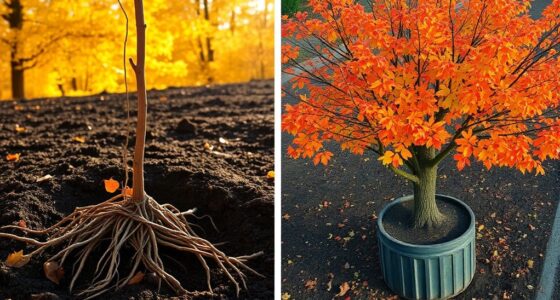
Another vital aspect is crop rotation. By rotating your crops each season, you help prevent soil-borne diseases and pests that can weaken roots, making them more susceptible to damage during harvest. Healthy, vigorous roots are less likely to split or break when you dig them up. Crop rotation also improves soil structure over time, reducing compaction and creating a more friable soil that’s easier to work with. When roots grow in healthy soil, they develop stronger skins, which helps them withstand the mechanical stresses of harvesting. Moreover, rotating crops can prevent the buildup of pathogens that attack specific root crops, resulting in healthier plants that are easier to harvest intact. Incorporating cover crops can further enhance soil conditions and provide additional nutrients, contributing to overall crop health. Proper soil management practices, such as maintaining adequate organic matter, also play a crucial role in supporting resilient root development.
As an affiliate, we earn on qualifying purchases.
Frequently Asked Questions
How Do Weather Conditions Affect Root Crop Harvesting?
Weather patterns considerably influence your root crop harvest timing and damage risk. Wet, rainy conditions can make soil too soft, causing your crops to slip or break during digging. Conversely, drought can make roots tough and difficult to harvest without damage. You should monitor weather forecasts closely, plan harvests when conditions are ideal—preferably dry and mild—and adjust your schedule to minimize damage caused by adverse weather.
What Tools Are Best for Minimizing Damage During Harvest?
Using the right tools can cut harvest damage by up to 30%. You should opt for gentle harvesting equipment like specialized diggers and pneumatic conveyors designed for root crops. Proper crop handling with padded containers and careful transfer methods further reduces bruising. By selecting equipment tailored for root crops, you preserve their quality, minimize waste, and guarantee a healthier, more profitable harvest.
When Is the Optimal Time to Harvest Root Crops?
You should harvest root crops when they reach ideal timing for maturity, which varies by crop type. Look for signs of harvest readiness, such as size, skin firmness, and color. Generally, wait until the tops have died back or begun to yellow. Harvesting at the right time reduces damage, preserves flavor, and guarantees the best storage life. Timing your harvest correctly is key to maintaining quality and minimizing crop loss.
How Can Soil Health Impact Harvest Quality?
Soil health directly impacts your harvest quality by influencing root growth and crop resilience. When soil is compacted, roots struggle to penetrate, leading to deformities and damage during harvest. Maintaining a balanced nutrient profile guarantees robust root development, reducing the risk of splitting or rot. You should regularly aerate your soil and test nutrient levels, so your root crops grow healthy, making harvesting easier and boosting overall yield quality.
Are There Post-Harvest Treatments to Reduce Damage?
Yes, post-harvest handling and storage techniques can substantially reduce root crop damage. You should handle crops gently to prevent bruising, and clean them carefully to remove soil. Store root crops in a cool, humid environment to maintain freshness and minimize deterioration. Using proper storage containers and maintaining consistent temperature and humidity levels help prevent damage during storage, ensuring your crops stay healthy and retain quality longer.
Conclusion
By following these simple tips, you’ll protect your root crops like a wise gardener tending to precious treasures. Think of it as guarding the crown jewels—gentle handling and patience guarantee they arrive at your table in perfect condition. Remember, every careful step you take echoes the patience of a master craftsman, turning humble roots into a bounty worth savoring. So, handle with care, and let your harvest shine as brightly as a king’s treasure.
Fall yard work Picks
leaf blowers
As an affiliate, we earn on qualifying purchases.