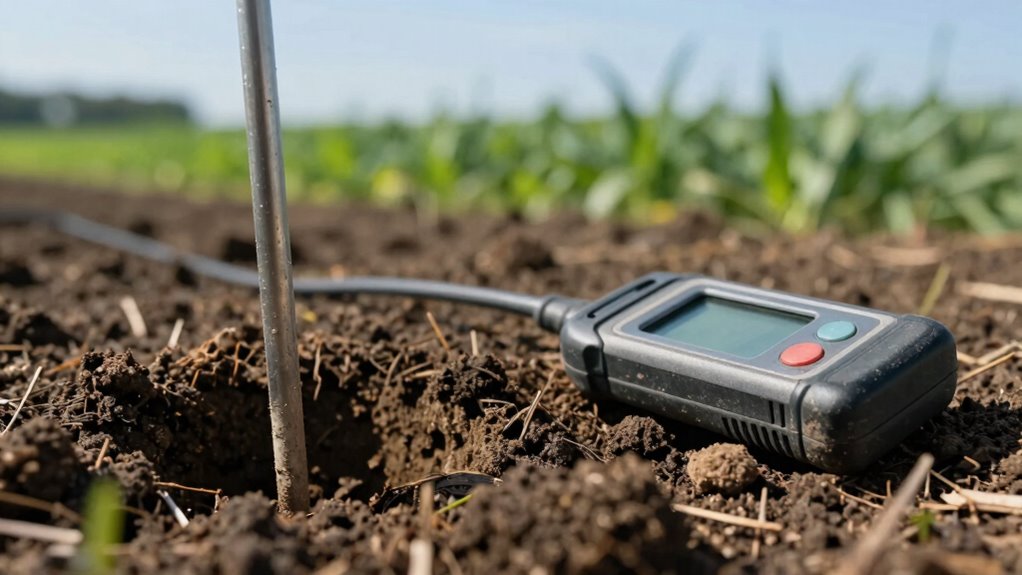

Trust in your soil moisture zones depends on proper calibration and ongoing maintenance. If sensors aren’t regularly checked and verified, their data can drift, leading to inaccurate insights. Faulty information may cause overwatering or underwatering, stressing plants and wasting resources. By ensuring your sensors are well-maintained and calibrated, you build confidence in your irrigation decisions. Keep reading to discover how maintaining your sensors can improve your zone management and overall crop health.

Get garden gear delivered free with Prime
- Fast, free delivery on millions of items
- Prime Video, Amazon Music and more included
- Member-only deals all year
Key Takeaways
- Trustworthy readings ensure accurate irrigation decisions, preventing overwatering or underwatering in different zones.
- Regular calibration and maintenance improve sensor accuracy, making zone data reliable over time.
- Verifying sensor data through manual checks confirms the validity of zone moisture readings.
- Ignoring calibration risks data inaccuracies, leading to ineffective zone management.
- Reliable zone data enhances overall system performance and promotes healthier plant growth.
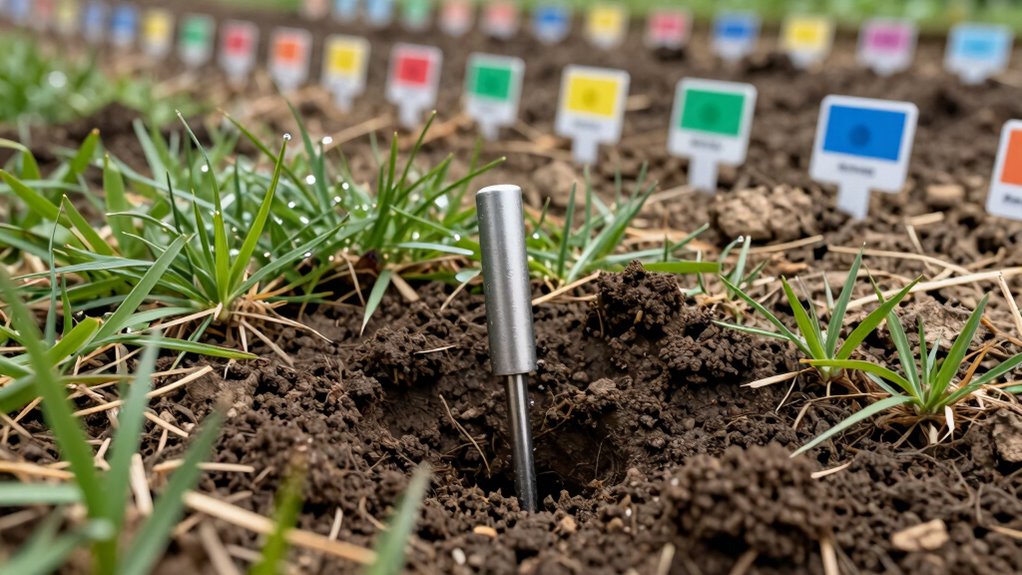
Have you ever wondered how farmers and landscapers guarantee their plants get the right amount of water? It all comes down to soil moisture monitoring zones, which rely heavily on sensor data to make informed irrigation decisions. But for these systems to work effectively, you need to trust the readings they provide. That trust begins with proper sensor calibration, ensuring that each sensor accurately measures soil moisture levels. When sensors are correctly calibrated, the data they send reflects the true conditions underground, giving you confidence that your plants aren’t overwatered or underwatered. Without this initial step, you risk basing your watering schedule on faulty information, which can lead to wasted water, unhealthy plants, and even increased costs. Proper sensor calibration is essential for maintaining the reliability of your monitoring system over time. Sensor calibration isn’t a one-and-done task; it’s an ongoing process. Over time, sensors can drift from their original calibration, especially when exposed to harsh environmental conditions or soil variations. Regular calibration checks help maintain data accuracy, so you’re always working with reliable information. When sensors are properly calibrated, you can trust the data to tell you exactly when and how much to water. This precision helps optimize water use, reduce waste, and promote healthier plant growth. On the other hand, neglecting calibration can lead to inconsistent readings, making your monitoring zones unreliable and defeating the purpose of soil moisture monitoring altogether. Additionally, understanding the importance of calibration can help you identify when sensor adjustments might be necessary to ensure ongoing accuracy. Consistent data accuracy is the foundation of effective irrigation management. If your sensors aren’t providing accurate data, even the best monitoring systems become useless. You might think your soil needs watering when it actually doesn’t, or vice versa. This misjudgment can cause stress to your plants, unnecessary water consumption, and increased costs. When you focus on data accuracy, you’re ensuring that every decision you make is rooted in precise, trustworthy information. This involves not only calibrating sensors regularly but also verifying their readings through manual checks or cross-referencing with other measurement methods. Additionally, understanding the role of proper maintenance can help extend the lifespan and performance of your sensors, further supporting reliable data collection. When your soil moisture monitoring zones deliver accurate data, you gain better control over your irrigation, leading to healthier plants and smarter resource use.
soil moisture sensor calibration kit
As an affiliate, we earn on qualifying purchases.
As an affiliate, we earn on qualifying purchases.
Frequently Asked Questions
How Often Should Soil Moisture Readings Be Taken?
You should take soil moisture readings regularly, ideally every few days, to guarantee data consistency. Proper sensor placement is key; place sensors at consistent depths in representative zones to get accurate readings. Frequent measurements help you track moisture levels over time, allowing timely irrigation adjustments. By maintaining a consistent schedule and ensuring good sensor placement, you build trust in the data, making your soil moisture management more effective and reliable.
What Factors Can Affect Soil Moisture Sensor Accuracy?
You should be aware that sensor placement and soil composition substantially affect soil moisture sensor accuracy. Properly placing sensors in representative zones ensures reliable readings, while different soil types—like clay or sandy soils—can conduct moisture differently. If sensors aren’t positioned correctly or if soil conditions vary, readings may be inaccurate. Regularly check placement and consider soil variability to improve the accuracy of your soil moisture monitoring system.
Can Soil Moisture Zones Change Over Time?
Like a chameleon changing colors, soil moisture zones can shift over time. As soil composition varies and roots grow deeper or spread out, the moisture levels in different zones fluctuate. You need to regularly update your readings and adjust sensor placement because what’s accurate now might not be later. Understanding how root depth and soil makeup influence moisture helps you better manage watering schedules and guarantee healthy plant growth.
How Do I Calibrate My Moisture Sensors?
To calibrate your moisture sensors, start with proper sensor placement in representative soil zones. Use calibration techniques like taking manual soil moisture measurements at the same spots and adjusting your sensor readings accordingly. Consistently compare sensor data with manual readings, and tweak calibration settings as needed. Regular calibration guarantees your sensors provide accurate, trustworthy readings, helping you make better irrigation decisions and maintain healthy soil moisture levels.
What’s the Best Way to Interpret Moisture Readings?
To interpret moisture readings effectively, focus on proper sensor placement in representative zones of your soil. Consistently monitor readings over time to identify patterns and compare them with your crop’s needs. Trust your data by calibrating sensors regularly and understanding the specific moisture levels ideal for your plants. This approach helps you make informed watering decisions, ensuring healthy growth and efficient water use.
Conclusion
Remember, soil moisture monitoring is only as reliable as your trust in its readings. Without confidence in the zones, you’re steering a ship without a compass, risking poor decisions that could harm your crops. Embrace diligent calibration and validation, for trust transforms data into wisdom. Just as a lighthouse guides sailors safely ashore, accurate readings illuminate the path to healthy, thriving soil—trust them, and let your crops flourish under the guiding light of reliable information.
Fall yard work Picks
leaf blowers
As an affiliate, we earn on qualifying purchases.