
Wind protection can greatly improve your harvest by preventing crop damage, reducing plant stress, and lowering soil erosion. It helps keep crops upright, ensuring better maturity and less waste, which boosts yields and quality more effectively than fertilizer alone. By conserving soil moisture and creating a stable microclimate, wind barriers help your crops grow stronger and more resilient. Keep exploring to discover how these simple measures can make a lasting difference in your harvest success.

Get garden gear delivered free with Prime
- Fast, free delivery on millions of items
- Prime Video, Amazon Music and more included
- Member-only deals all year
Key Takeaways
- Wind protection reduces crop damage and lodging, leading to better harvest quality and higher yields than fertilizer alone.
- It minimizes soil erosion, preserving topsoil and long-term land productivity more effectively than fertilizer.
- Wind barriers maintain soil moisture, promoting healthier roots and reducing the need for additional fertilizers.
- By decreasing physical stress and disease spread, wind protection enhances crop resilience beyond nutrient supplementation.
- Microclimate stabilization from wind barriers improves overall crop health and consistency, often surpassing fertilizer benefits.
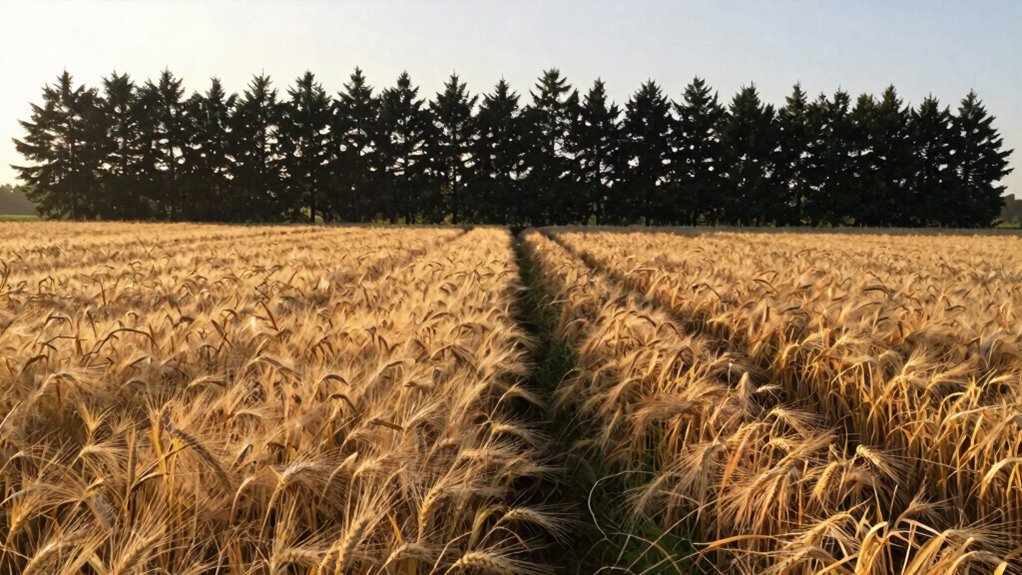
Have you ever wondered how wind protection can influence your crop yields during harvest? It’s more impactful than you might realize. Strong winds can cause substantial crop damage, knocking down plants, breaking stems, and scattering grains or fruits before you even get a chance to harvest. This damage reduces your overall yield and can lead to financial losses. But beyond the immediate effects on your crops, wind also plays a role in long-term soil health. When unprotected, wind accelerates soil erosion, stripping away the topsoil that’s essential for healthy plant growth. Over time, this loss of topsoil can make fields less fertile, decreasing productivity in future seasons and increasing your reliance on fertilizers or soil amendments to compensate.
By installing windbreaks or other wind protection measures, you create a barrier that slows the wind’s force as it moves across your fields. This simple step can dramatically reduce crop damage caused by gusts that might otherwise topple or damage plants. When plants stay upright and intact, they have a better chance to mature fully, leading to higher yields at harvest time. Additionally, fewer broken stems and scattered grains mean less waste and cleaner, more marketable produce. Proper wind protection can also help in reducing soil erosion, which is a major factor in long-term land degradation. Implementing these measures can also promote microclimate regulation, creating a more stable environment for your crops. In addition, wind protection can support beneficial pollination processes by maintaining calmer conditions, which can further boost crop yields.
Furthermore, wind barriers can help reduce wind speed, which not only protects crops but also minimizes the physical stress experienced by plants, leading to healthier growth. Wind protection also helps conserve soil moisture. When wind speeds are high, they increase evaporation rates, leaving your soil drier and more prone to erosion. With proper wind barriers, you reduce evaporation, keeping the soil moist and more resistant to erosion. This stabilization of soil conditions encourages stronger root development and healthier plants. Furthermore, by minimizing soil erosion, you preserve the nutrients in your soil, which means your crops can grow more vigorously without needing excessive fertilizers. This not only saves you money but also promotes sustainable farming practices. Additionally, implementing wind protection can help mitigate soil degradation and enhance the overall sustainability of your farming system.
Moreover, wind protection can improve the microclimate of your fields. Slower wind speeds mean less physical stress on your crops, reducing the likelihood of disease and pest infestations that often spread more quickly under windy, stressful conditions. When your crops are healthier and less stressed, they’re more resilient during harvest, yielding better quality produce. This makes wind protection a key strategy for maintaining crop resilience in changing climate conditions.
In essence, implementing wind protection measures offers a dual benefit: it shields your crops from immediate physical harm and preserves the integrity of your soil. These combined advantages often outweigh the benefits of additional fertilizers, which only address nutrients rather than the root causes of crop loss and soil degradation caused by wind. So, investing in wind protection isn’t just about preventing damage; it’s a strategic move that can change your harvest outcomes more profoundly than fertilizer alone.
As an affiliate, we earn on qualifying purchases.
Frequently Asked Questions
How Does Wind Protection Affect Soil Moisture Levels?
Wind protection helps increase soil moisture levels by reducing soil evaporation caused by strong winds. When you shield your crops, you prevent moisture from escaping quickly, which enhances moisture retention in the soil. This means your soil stays wetter longer, supporting healthier plant growth. By minimizing soil evaporation, wind barriers guarantee your crops have consistent access to water, ultimately improving harvest potential and reducing the need for frequent irrigation.
Can Wind Barriers Influence Crop Pest Populations?
Yes, wind barriers can influence pest populations by disrupting pest habitat and insect migration patterns. When you install windbreaks, they reduce wind speed, making it harder for pests to travel and settle in your crops. This can lower pest infestations, as insects struggle to reach their usual habitats. Additionally, wind barriers create a less favorable environment for pest survival, helping you manage pests more effectively without relying heavily on chemical controls.
What Are the Long-Term Economic Benefits of Wind Protection?
You’ll find that wind protection offers long-term economic benefits, acting as a smart investment that pays off over time. It boosts crop yields, reduces crop damage, and minimizes the need for costly inputs like pesticides and fertilizers. These economic savings contribute to higher investment returns, helping you get more value from your land. In the long run, wind barriers safeguard your harvest, ensuring steady income and enhanced farm profitability.
How Does Wind Protection Impact Crop Disease Prevention?
A wind barrier substantially reduces disease spread by limiting the movement of airborne pathogens across your fields. When wind speeds decrease, it creates a less favorable environment for fungal and bacterial infections to thrive. By implementing wind protection, you help maintain healthier crops, lower the need for chemical treatments, and improve overall yield quality. This proactive approach keeps your harvest safer and more resilient against disease outbreaks.
Are There Specific Wind Protection Methods Better for Certain Crops?
Did you know that tailored windbreak design can boost certain crops’ yields by up to 20%? For best results, match your wind protection methods to your crop variety. For example, tall, fragile crops benefit from dense, high windbreaks, while short-season vegetables may need shorter, more permeable barriers. Customizing your windbreak design guarantees ideal protection, reducing wind damage and enhancing growth for different crop types.
Conclusion
Remember, a strong windbreak can shield your crops better than any fertilizer, turning the tide in your favor. By investing in wind protection, you’re not just safeguarding your harvest—you’re ensuring its growth and quality. Don’t forget, “A stitch in time saves nine,” so take action now. Protect your fields from the wind’s wrath today, and reap the benefits of a healthier, more bountiful harvest tomorrow.
Fall yard work Picks
leaf blowers
As an affiliate, we earn on qualifying purchases.