
When exploring farm financing options, you can consider traditional bank loans for substantial funds at low interest, grants from government agencies or foundations that don’t require repayment, and crowdfunding platforms to rally support from your community and customers. Each option has its advantages and specific requirements, so it is crucial to choose the right mix based on your farm’s goals and needs. If you want to discover how to develop a solid funding strategy, keep exploring.
Key Takeaways
- Traditional bank loans offer sizable funds with favorable terms for farms with good credit or collateral.
- Grants are non-repayable funds from government, non-profits, or foundations supporting organic transition and infrastructure projects.
- Crowdfunding involves community contributions through online platforms, building support and raising awareness for farm goals.
- Developing a funding strategy requires assessing each option’s advantages, requirements, and alignment with farm objectives.
- Combining loans, grants, and crowdfunding can effectively meet diverse capital needs for sustainable farm growth.
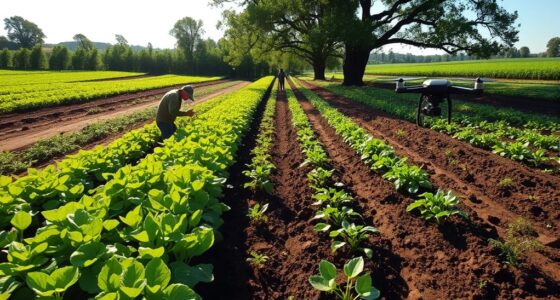
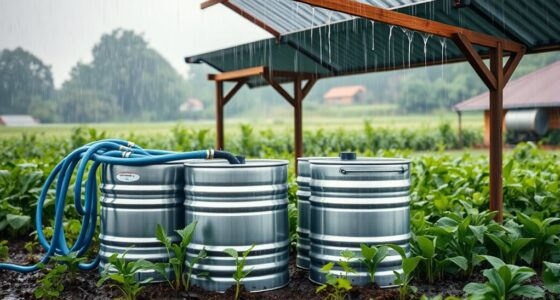
Securing the right financing is essential for turning your farm vision into reality. Whether you’re aiming to implement sustainable farming practices or pursue organic certification, having access to the right funds can make all the difference. Sustainable farming isn’t just good for the environment; it often requires upfront investments in eco-friendly equipment, soil health management, and water conservation systems. Organic certification, on the other hand, can open doors to premium markets, but the process involves costs related to inspections, certifications, and transitioning your land. To cover these expenses, you need to explore various farm financing options that align with your goals.
Securing proper farm financing is key to achieving sustainable practices and organic certification goals.
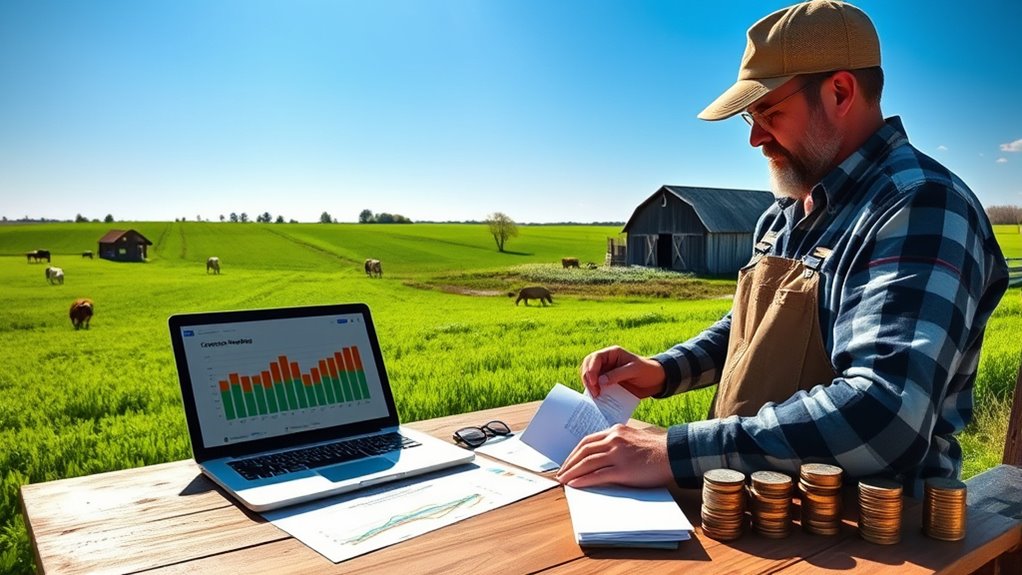
One of the most common ways to finance your farm is through loans. Traditional bank loans can offer sizable amounts with relatively low interest rates, especially if you have a solid credit history or collateral. Many financial institutions now recognize the importance of sustainable agriculture and may have specialized loan programs to support eco-friendly initiatives. These loans can be tailored to cover equipment purchases, land acquisition, or infrastructure improvements needed for organic farming practices. Plus, some lenders are increasingly aware of the growing demand for organic products, and they might even provide favorable terms for farms pursuing organic certification or sustainable farming practices.
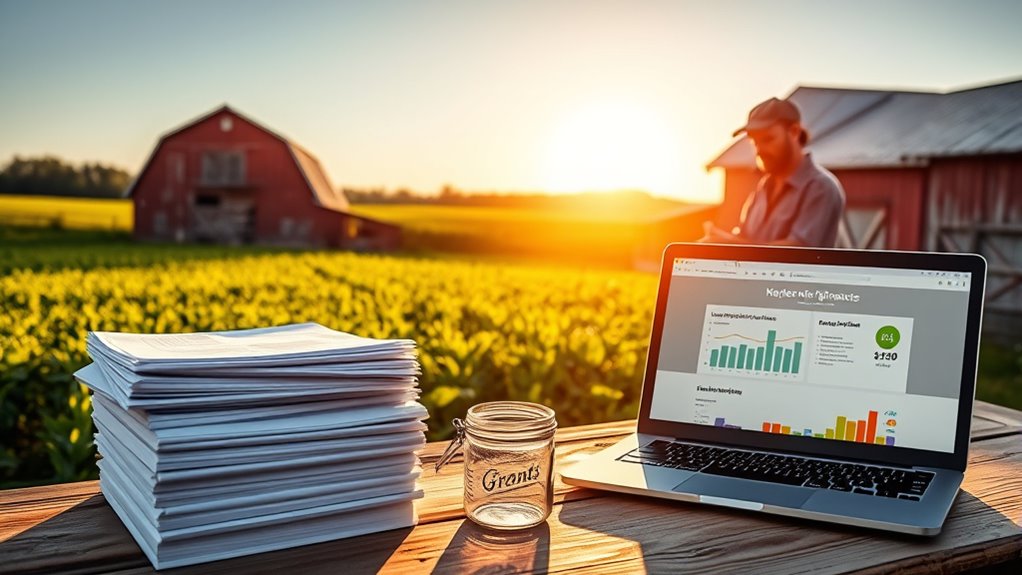
Grants are another excellent option, especially for new farmers or those engaged in projects that benefit the community or environment. Government agencies, non-profit organizations, and agricultural foundations offer grants targeted at promoting sustainable agriculture and organic certification. Unlike loans, grants don’t require repayment, making them highly attractive. However, obtaining grants usually involves a competitive application process, and you’ll need to clearly demonstrate how your project aligns with the funding agency’s priorities. Securing a grant can provide essential financial support for initial setup, organic transition costs, or sustainable infrastructure investments. Additionally, understanding the different types of farm financing options available, such as loans, grants, and crowdfunding, can help you develop a comprehensive funding strategy.
Crowdfunding has gained popularity as a way to raise funds directly from the community and potential customers. By sharing your farm’s story and emphasizing your commitment to sustainable farming and organic certification, you can attract supporters willing to contribute financially. Crowdfunding platforms allow you to reach a broad audience, gather small donations, and generate buzz around your farm project. This method not only raises money but also builds a support network of customers and advocates who are invested in your success.

ARCCAPTAIN MIG205MP MIG Welder 9 IN 1 iControl APP Control Plasma Cutter/Pulsed MIG/Flux Core/Spool Gun/DC HF/Lift TIG/Clean/Stick Aluminum Welding Machine 120/240V Dual Voltage Multiprocess Welder
9-IN-1 WELDER:ARCCAPTAIN MIG205MP MIG welder has 9 welding modes: Gas MIG/Gasless MIG/Cut/DC HF TIG/DC Lift TIG/MMA Stick/Clean/Spot Welding/Spool...
As an affiliate, we earn on qualifying purchases.
Frequently Asked Questions
What Are the Eligibility Criteria for Farm Loans?
You need to meet specific eligibility criteria for farm loans. During the loan application process, lenders typically check your credit score requirements, which should be decent to qualify. They also look at your farm’s financial health, your experience in farming, and your repayment ability. Be prepared to provide documentation like financial statements, crop plans, and proof of collateral. Meeting these criteria increases your chances of securing the funding you need.
How Do Farm Grants Differ From Loans?
Farm grants differ from loans because you don’t have to repay them. When you apply for a grant, you submit a grant application, and if approved, you receive funds to support your farm without the obligation of loan repayment. Loans, on the other hand, require you to repay the borrowed amount with interest. Grants are typically awarded based on specific criteria, aiming to fund projects rather than generate income.
What Are the Risks Associated With Crowdfunding for Farms?
Did you know that nearly 20% of crowdfunding campaigns face failure? When you crowdfund your farm, risks include potential scams, lack of investor transparency, and insufficient risk management strategies. These issues can lead to financial loss or damaged reputation. To mitigate these risks, you should clearly communicate your goals, maintain transparency with investors, and implement solid risk management practices. Stay vigilant to protect your farm’s future and build trust with your supporters.
Can International Farmers Access These Financing Options?
Yes, international farmers can access these financing options, but you need to navigate international regulations and currency exchange issues. You might face restrictions based on your country’s laws or the platform’s policies. Currency exchange rates can also impact the amount you raise or receive. To succeed, research the specific rules that apply to your situation and consider working with financial advisors familiar with cross-border funding.
Are There Tax Implications for Farm Grants and Crowdfunding?
Yes, there are tax implications for farm grants and crowdfunding. You need to report grant income on your taxes, and failure to do so could lead to penalties. Crowdfunding funds might also be regarded as taxable income, depending on how you utilize them. Always keep detailed records for grant reporting and consult a tax professional to make certain you comply with local tax laws and properly account for all funds received.

Eggluuz Heated Chicken Waterer 5 Gallon Thermostatically Controlled Poultry Water Heater with 8 Horizontal Nipples for Winter
HEATED CHICKEN WATERER: Provide constant access to fresh clean drinking water for your chickens with this 5 gallon...
As an affiliate, we earn on qualifying purchases.
Conclusion
No matter which farm financing option you choose—loans, grants, or crowdfunding—you’re opening the door to endless possibilities. Think of it as planting a tiny seed that can grow into a sprawling, fruitful farm. Your decision today can fuel your dreams for years to come, transforming your vision into reality. So, pick the path that best fits your needs and let your farm flourish like never before—because your success is truly the heart of the harvest.

Chicken Water Heater for Winter, 110W Heated Poultry Waterer Base with Thermostat, 11 Inch Poultry Winter Deicer Heated Base with 9.8ft Power Cord(Black)
Thermostatic Control & No Overheat: This chicken water heater base has a built-in thermostat that automatically controls operation....
As an affiliate, we earn on qualifying purchases.
Amazon Product B0FXX9DRNK
As an affiliate, we earn on qualifying purchases.