To stay safe on the farm, always identify hazards early by inspecting equipment and the environment regularly. Make sure you’re trained in proper machinery use and livestock handling techniques, using safety gear and restraint equipment when needed. Keep pathways clear and maintain equipment to prevent malfunctions. Approach animals calmly and confidently, avoiding working alone with large or dangerous livestock. If you follow these tips, you’ll reduce risks—there’s more you can learn to protect yourself and others.

Get garden gear delivered free — and shop member deals
- Fast, free delivery on millions of items
- Access to Prime Big Deal Days deals on October 6–7
- Prime Video, Amazon Music and more included
Key Takeaways
- Conduct regular hazard assessments and equipment inspections to identify and address potential risks proactively.
- Train all workers on proper equipment operation, safety protocols, and safe livestock handling techniques.
- Keep pathways clear, well-lit, and organized to prevent trips, falls, and equipment-related accidents.
- Use appropriate restraint devices and approach animals calmly to ensure safe livestock handling.
- Always wear personal protective equipment and never bypass safety guards or safety features on machinery.

Are you doing everything you can to keep your farm safe? Ensuring safety on your farm isn’t just about having the right equipment; it starts with understanding potential hazards and properly training yourself and your workers. Hazard identification is a crucial first step. Take a walk around your farm and look for anything that could cause accidents, such as faulty machinery, loose fencing, or slippery surfaces. Recognizing these risks ahead of time allows you to address them before they turn into injuries. Safety training plays a vital role here. Make sure everyone on your team knows how to operate equipment correctly and understands the risks involved. Regular safety meetings and refresher courses help reinforce proper procedures, keeping safety top of mind.
Regular hazard checks and proper training keep your farm safe and injuries at bay.
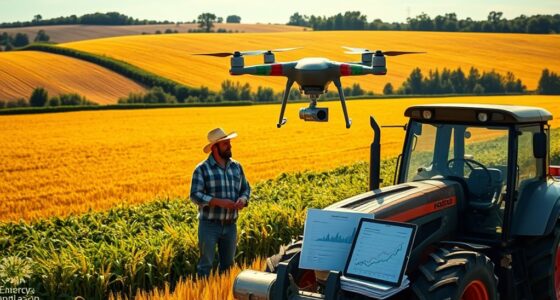
When it comes to equipment, always perform routine inspections. Check for worn belts, leaks, or broken parts that could malfunction during use. Proper maintenance not only extends the lifespan of your equipment but also prevents accidents. Encourage a culture where workers report issues immediately—don’t wait until something breaks to fix it. Use clear signage to warn of potential dangers, like high voltage or moving parts, and ensure safety guards are in place. Never bypass safety features just to save time; they are there for your protection. Also, organize your equipment in a way that reduces clutter and trip hazards, making sure pathways are clear and well-lit. Regularly reviewing safety protocols can help stay ahead of potential issues and enhance safety practices.
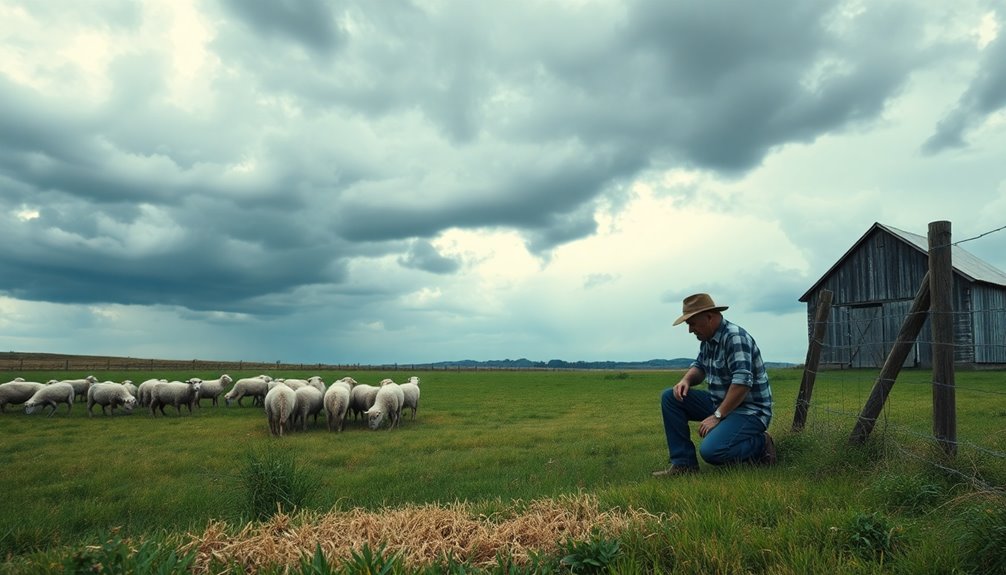
Handling livestock demands a different set of safety precautions. Always approach animals calmly and confidently, avoiding sudden movements that could startle them. Proper restraint equipment, like chutes and halters, should be used to keep both you and the animals safe. Remember, livestock can be unpredictable, especially if they’re frightened or injured. Always check the health and behavior of animals before handling to anticipate any aggressive or defensive reactions. Use personal protective equipment, such as gloves, boots, and eye protection, whenever necessary. Keeping your animals’ living environment clean and well-maintained reduces stress and minimizes health risks, which in turn decreases aggressive behaviors. Maintaining a clean and organized environment is an essential part of farm safety.
Additionally, understanding animal behavior can greatly improve handling safety and help prevent accidents. Training your farm workers on how to handle livestock safely and recognizing signs of distress is essential. Regularly review proper handling techniques and safety protocols. Never attempt to handle large or dangerous animals alone; always have a second person nearby to assist if needed. When working with machinery or animals, stay alert and focused—distractions can lead to accidents. A good understanding of hazard identification can help you spot potential dangers before they cause harm. By actively identifying hazards, maintaining equipment properly, and ensuring everyone is trained and prepared, you greatly reduce the likelihood of injuries. Keeping safety at the forefront isn’t a one-time effort; it’s an ongoing process that safeguards both your farm’s productivity and your well-being. Incorporating safety training programs into your routine can significantly enhance overall farm safety.
As an affiliate, we earn on qualifying purchases.
Frequently Asked Questions
How Often Should Farm Safety Training Be Conducted?
You should conduct safety training regularly to guarantee everyone stays updated and safe on the farm. The training frequency depends on your farm’s activities, but a safety refresher at least once a year is recommended. Additionally, whenever new equipment or livestock handling procedures are introduced, immediate training helps prevent accidents. Ongoing education keeps safety practices fresh in everyone’s mind, reducing risks and creating a safer working environment.
What Are the Best Safety Signs for Farm Equipment?
Think of safety signs as the lighthouse guiding you through foggy waters. For farm equipment, use clear warning labels and safety symbols that stand out with bright colors and universal icons. These signs alert you to potential hazards, like moving parts or electrical risks. Consistently place them in visible spots, ensuring everyone understands the message at a glance, reducing accidents and keeping your farm a safe haven.
How to Handle Aggressive Livestock Safely?
When dealing with aggressive livestock, understanding livestock behavior helps you anticipate their actions. Use proper handling techniques like approaching calmly, avoiding sudden movements, and staying aware of signs of agitation. Keep your body language confident and non-threatening, and always have escape routes. If an animal becomes too aggressive, don’t hesitate to call a professional. Staying alert and respectful of their behavior guarantees your safety and minimizes stress for the animals.
What Personal Protective Equipment Is Essential for Farm Workers?
When it comes to farm work, you need to gear up properly—think of it as your safety net. Essential personal gear includes sturdy gloves, protective eyewear, and steel-toed boots. Protective clothing like coveralls and high-visibility vests keep you safe from hazards. Wearing the right equipment minimizes risks and guarantees you’re prepared for anything that comes your way, making your farm experience safer and more efficient.
How to Maintain Farm Equipment to Ensure Safety?
To keep farm equipment safe, you should perform regular equipment maintenance and safety inspections. Check for worn parts, leaks, and loose bolts before use. Clean machinery to prevent malfunctions, and follow manufacturer guidelines for maintenance schedules. Making sure your equipment is well-maintained minimizes accidents, reduces downtime, and keeps you safe while working. Make safety inspections a routine part of your farm practices to avoid potential hazards and ensure everything operates smoothly.
Conclusion
By following these farm safety tips, you can protect yourself and your livestock every day. It might seem like a lot to remember, but staying alert and cautious becomes second nature with practice. Don’t let safety slip your mind—your well-being and your animals depend on it. Taking small, consistent steps keeps everyone safe, so don’t hesitate to review these tips regularly. Stay vigilant, and enjoy a safer, more productive farm day.
Fall Picks
fall essentials
As an affiliate, we earn on qualifying purchases.