
Gene editing and biotechnology are transforming crop improvement by allowing you to make precise, targeted changes to plant genomes. Technologies like CRISPR help you develop crops with better drought tolerance, pest resistance, and higher nutrient content more quickly than traditional methods. Regulations and public perception are evolving, so understanding these factors is key. Keep exploring to discover how these innovations can help create sustainable, secure food sources for the future.
Key Takeaways
- Gene editing tools like CRISPR enable precise and rapid modification of crop genomes to enhance traits such as drought tolerance and pest resistance.
- Biotechnology accelerates crop improvement by targeting specific genes, reducing development time compared to traditional breeding methods.
- Regulatory frameworks vary globally, influencing the deployment and acceptance of gene-edited crops in different markets.
- Transparent communication and public engagement are essential to address misconceptions and build trust in gene-edited agricultural products.
- Balancing innovation with safety and societal expectations ensures sustainable advancements in crop improvement through biotechnology.

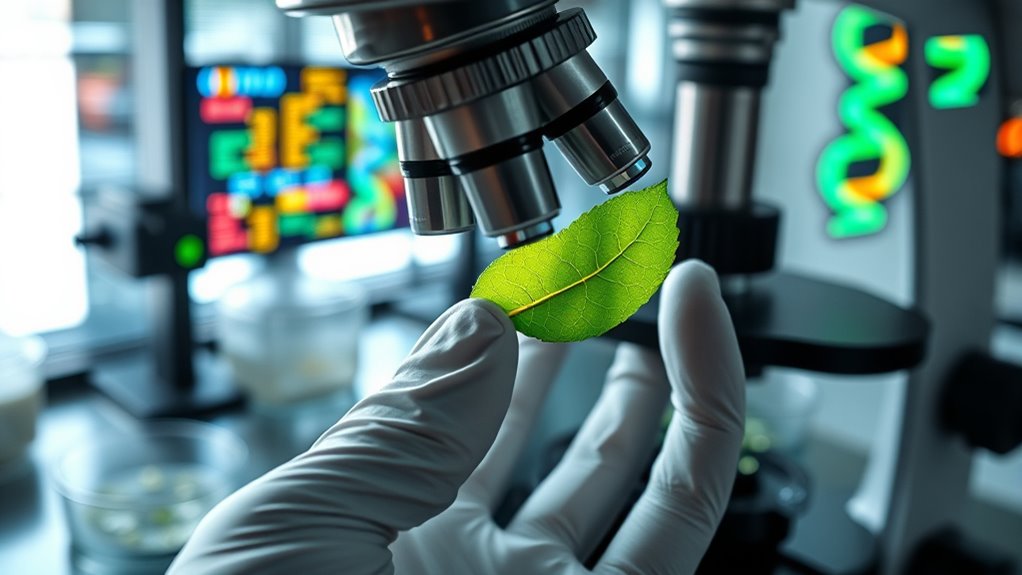
Advancements in gene editing and biotechnology are transforming how we improve crops, making them more resilient, nutritious, and productive. One of the most promising tools in this revolution is CRISPR technology, which allows you to precisely modify plant genomes with unmatched efficiency. Unlike traditional breeding, CRISPR applications enable you to target specific genes responsible for traits like drought tolerance, pest resistance, or nutrient content. This precision accelerates the development of improved crop varieties, helping you respond swiftly to changing environmental conditions and food security challenges. As you explore CRISPR applications, it’s essential to understand the regulatory landscape surrounding GMOs. GMO regulations vary by country, influencing how you can deploy gene-edited crops commercially. In some regions, gene edits that do not involve foreign DNA are considered non-GMO and face fewer restrictions, streamlining the path from lab to field. Conversely, other jurisdictions classify any genetic modification as a GMO, requiring extensive safety assessments and approval processes. Navigating these regulations is vital for you to bring innovative crops to market efficiently. The evolving GMO regulations aim to ensure safety without stifling innovation, but they also mean you must stay informed about legal requirements to avoid delays or compliance issues. As you implement gene editing in crop improvement, it’s important to consider public perception and transparency. Many consumers remain wary of GMOs, often due to misconceptions or lack of knowledge. Clear communication about how CRISPR differs from traditional GMOs and its safety profile can help you foster trust and acceptance. Additionally, understanding the regulatory environment can aid you in designing your research and commercialization strategies to align with legal frameworks and public expectations. The intersection of CRISPR applications and GMO regulations highlights the importance of responsible innovation. While gene editing offers incredible potential to solve pressing agricultural problems, it also comes with the responsibility to ensure safety, transparency, and compliance. As you continue to develop improved crops, staying informed about both technological advancements and legal frameworks will be key to successfully harnessing these tools. Furthermore, recognizing the importance of preppy dog names in branding or marketing your biotech products could appeal to a specific consumer segment interested in fashionable or trendy options. Ultimately, the ability to fine-tune plant genetics with CRISPR can revolutionize agriculture, but it requires balancing innovation with regulatory adherence and public trust. By doing so, you can contribute to a more sustainable and secure food future, leveraging biotechnology’s full potential while respecting societal boundaries.
Frequently Asked Questions
How Does Gene Editing Affect the Nutritional Content of Crops?
Gene editing can markedly boost the nutritional content of crops through biofortification techniques. You can enhance key nutrients like vitamins, minerals, and antioxidants, making crops more nutritious and addressing deficiencies. By precisely editing genes, you promote nutritional enhancement, resulting in healthier food options. This targeted approach allows you to develop crops with improved nutrient profiles efficiently, ultimately benefiting communities by providing more nutritious, biofortified foods that combat malnutrition worldwide.
Are Genetically Edited Crops More Resistant to Climate Change?
A stitch in time saves nine, and genetically edited crops can be more resistant to climate change. By carefully editing genes, you reduce risks of gene flow and unintended mutations, making crops better suited for changing weather patterns. While some concerns remain, these innovations help crops withstand droughts, floods, and pests, giving you a better chance to grow resilient food sources in a warming world.
What Are the Potential Long-Term Ecological Impacts of Biotech Crops?
You might face long-term ecological impacts like disrupting the ecological balance and increasing biodiversity risks. Biotech crops can outcompete native plants, reducing biodiversity, and alter habitats for wildlife. These changes could lead to unforeseen consequences, such as pest resistance or gene flow to wild relatives. To minimize these risks, it’s essential to monitor biotech crop effects carefully and develop sustainable practices that protect ecological integrity over time.
How Accessible Are Gene Editing Technologies to Small-Scale Farmers?
Oh, sure, small-scale farmers can just stroll into a tech store and grab gene editing tools, right? Sadly, that’s not the reality. Farmer access is limited because technology affordability remains a huge barrier. Advanced gene editing often comes with hefty costs and complex systems, making it hard for small farmers to benefit. Without affordable options, these tools stay out of reach, widening the gap between large corporations and local growers.
What Regulatory Hurdles Exist for Approving Gene-Edited Crops Worldwide?
You face regulatory hurdles like complex international approval processes and intellectual property challenges. Different countries set their standards, making it hard to get widespread approval quickly. Managing patent rights and licensing also complicates matters, often delaying the deployment of gene-edited crops. You need to understand each region’s rules and secure necessary patents to guarantee your crops can be approved and marketed globally without legal issues.
Conclusion
Imagine a future where you hold the power to transform crops with precision and ease, turning the tide against hunger and climate change. Gene editing and biotechnology act as your guiding compass, steering agriculture toward sustainability and resilience. By harnessing these cutting-edge tools, you’re not just improving crops—you’re planting the seeds for a brighter, more abundant tomorrow. Embrace this revolution, for it’s you who can shape the future of food on this planet.