
To reduce bottlenecks during harvest and processing weeks, you should prioritize equipment maintenance and schedule inspections before peak times. Use technology to monitor machinery in real-time and address issues early. Cross-train your team so they can handle multiple roles and respond quickly to minor problems. Planning workflows and maintaining open communication help prevent delays. Keep spare parts on hand and stay proactive — more tips on streamlining your operations are just ahead.

Get garden gear delivered free with Prime
- Fast, free delivery on millions of items
- Prime Video, Amazon Music and more included
- Member-only deals all year
Key Takeaways
- Implement proactive equipment maintenance and routine inspections prior to peak harvest periods.
- Use real-time monitoring systems to identify and address issues early, minimizing unexpected downtime.
- Cross-train staff to ensure flexible workforce coverage during peak times and equipment issues.
- Schedule harvest and processing activities strategically to balance workloads and avoid congestion.
- Utilize data-driven planning tools to anticipate bottlenecks and optimize workflow coordination.
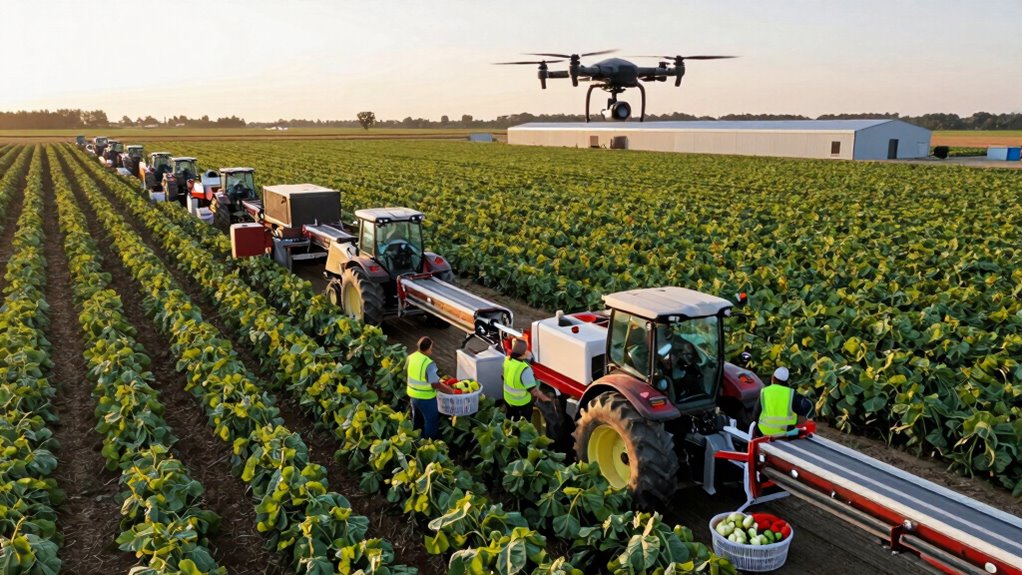
Have you ever wondered why harvest and processing lines often slow down unexpectedly? The answer usually lies in unanticipated equipment issues or gaps in workforce training. These disruptions can cause delays, reduce efficiency, and increase costs during critical harvest weeks. To keep things running smoothly, you need to focus on two main areas: equipment maintenance and workforce training. Both play essential roles in preventing bottlenecks and ensuring a steady flow from harvest to processing.
First, prioritize equipment maintenance. Regular inspections and proactive repairs prevent breakdowns that can halt production lines. Schedule routine checks on machinery, conveyors, and processing tools well before peak harvest times. Clean equipment thoroughly to avoid buildup that could cause malfunctions. Keep spare parts readily available for common issues, so repairs happen swiftly without waiting for shipments. Investing in condition monitoring technology can also help you catch potential problems early. By maintaining a proactive approach, you minimize the risk of unexpected downtime, keeping your operation on schedule. Additionally, implementing predictive maintenance strategies can further enhance the reliability of your equipment by identifying issues before they cause failures. Incorporating preventative maintenance practices can significantly reduce unexpected breakdowns and extend the lifespan of your machinery. Recognizing early warning signs through equipment monitoring is also crucial for timely intervention.
Next, focus on workforce training. Even the best equipment won’t perform at its best if your team isn’t fully skilled and confident in their tasks. Conduct training sessions that cover equipment operation, safety protocols, and troubleshooting procedures. Make sure staff understands how to identify early signs of equipment wear or malfunction. Cross-train employees so they can step into different roles as needed, reducing bottlenecks caused by personnel shortages or absences. Keep communication channels open and encourage feedback from your team, as they often spot issues before they escalate. Well-trained workers can respond quickly to minor glitches, preventing small issues from turning into major delays. Additionally, utilizing technology solutions can further enhance operational efficiency by providing real-time data and alerts. Incorporating proper planning can also help identify potential bottlenecks before they occur, allowing for timely adjustments.
harvest equipment maintenance tools
As an affiliate, we earn on qualifying purchases.
As an affiliate, we earn on qualifying purchases.
Frequently Asked Questions
How Can Technology Improve Harvest and Processing Efficiency?
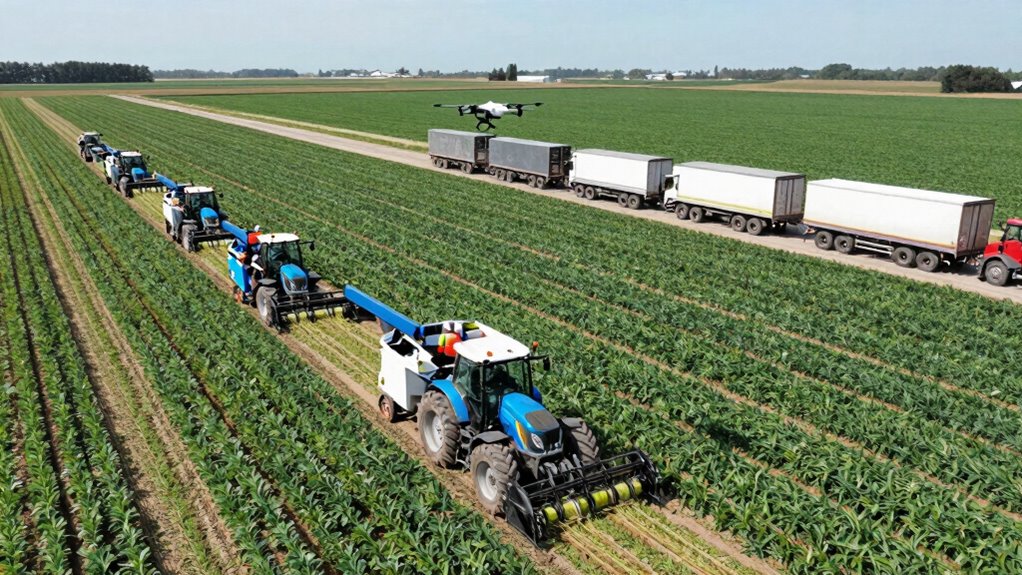
Technology can considerably boost your harvest and processing efficiency by implementing automated sorting systems that quickly categorize your produce, reducing manual labor and errors. Drone monitoring offers real-time aerial insights, helping you track crop health and identify issues early. These innovations streamline your workflow, minimize delays, and optimize resource use, ensuring a smoother harvest and processing period. Embracing these tools helps you stay ahead and handle peak times more effectively.
What Training Enhances Worker Productivity During Peak Weeks?
Imagine your workers as skilled sailors steering a busy harvest sea. To boost their productivity during peak weeks, you should focus on labor management and skill development. Providing targeted training acts like a seasoned captain, guiding them through rough waters. This prepares your crew to handle equipment efficiently and troubleshoot issues quickly, ensuring smooth sailing. Well-trained workers stay motivated and perform better, helping you avoid bottlenecks and maximize harvest success.
How to Forecast Harvest Volume Accurately?
To forecast harvest volume accurately, you should focus on harvest prediction and yield estimation. Use historical data, weather patterns, and crop growth stages to create reliable models. Regularly monitor crop development and adjust your forecasts accordingly. Collaborate with agronomists and analyze real-time data to refine predictions. This proactive approach helps you plan labor, equipment, and processing schedules effectively, reducing bottlenecks during peak harvest weeks.
What Are the Best Ways to Manage Supply Chain Disruptions?
You can manage supply chain disruptions by strengthening inventory management to keep essential supplies on hand and prevent delays. Additionally, collaborate closely with your suppliers to stay informed about potential issues and develop contingency plans. Keeping open communication lines helps you adapt quickly, ensuring smooth harvest and processing weeks. Proactively managing inventory and fostering supplier relationships minimize disruptions, allowing your operations to stay efficient and resilient during unforeseen challenges.
How Do Weather Conditions Impact Harvesting Schedules?
Weather patterns and climate variability are like unpredictable waves that can throw your harvesting schedule off course. When heavy rains or unexpected frosts hit, you might face delays, damaging crops or forcing you to shift timelines. You need to stay flexible, monitor forecasts closely, and adapt your plans accordingly. By understanding these weather influences, you can better prepare and minimize disruptions, ensuring your harvest stays afloat despite nature’s surprises.
Conclusion
Think of your harvest season as a busy river—when bottlenecks form, the flow slows, and everything backs up. By carefully planning your harvest and processing schedules, optimizing equipment, and training your team, you maintain the current moving smoothly. Remember, you’re the captain steering this vessel—navigating around obstacles ensures a steady, efficient flow from field to table. Keep the waters clear, and your harvest will flow seamlessly, maximizing your yield and success.
Fall yard work Picks
leaf blowers
As an affiliate, we earn on qualifying purchases.