
In 2025, policies and incentives aim to support sustainable farming by encouraging practices like crop rotation, water conservation, and smart irrigation systems. You might find subsidies or tax breaks for adopting resource-efficient methods that protect soil health and reduce water use. These programs also promote collaboration with research institutions and educational campaigns to make sustainable techniques accessible. If you keep exploring, you’ll discover how these initiatives can help you improve both productivity and ecological balance.
Key Takeaways
- Targeted policies offer subsidies and tax incentives to promote resource-efficient and eco-friendly farming practices.
- Crop rotation is incentivized to maintain soil health and reduce chemical dependency.
- Water conservation measures include incentives for efficient irrigation systems and rainwater harvesting.
- Support programs and research collaborations develop drought-resistant crops and smart irrigation solutions.
- Farmer engagement initiatives encourage adoption of sustainable methods, reducing environmental impact and enhancing resilience.
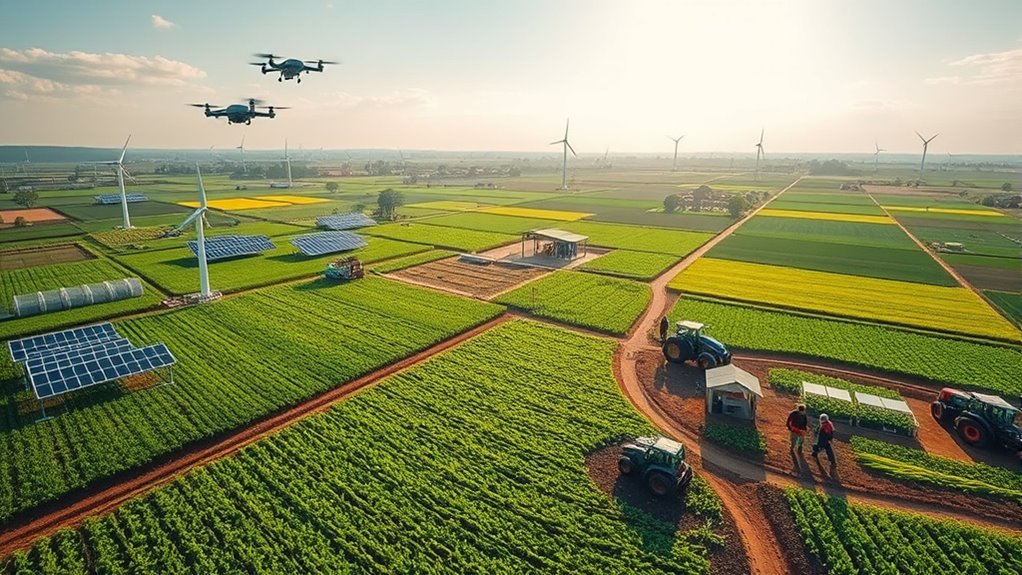
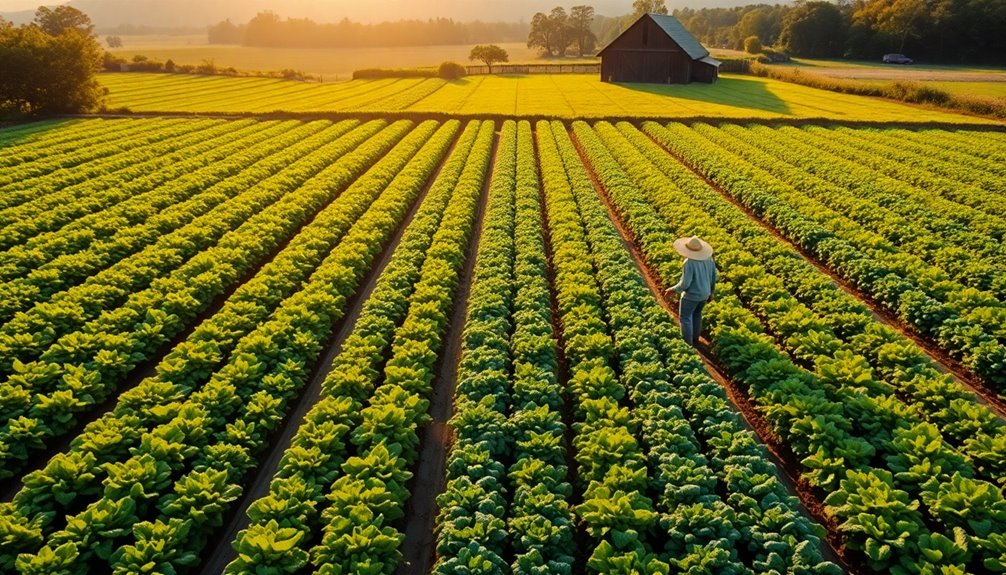
As the world faces increasing environmental challenges, policymakers in 2025 are implementing targeted policies and incentives to promote sustainable farming practices. These initiatives aim to balance productivity with ecological health, encouraging farmers to adopt methods that preserve resources and improve soil resilience. One key focus is promoting crop rotation, which involves alternating different crops on the same land to prevent soil depletion and reduce the need for chemical inputs. By incentivizing farmers to adopt diverse crop sequences, governments are helping break pest and disease cycles naturally, leading to healthier soils and better yields over time. These policies often include subsidies or tax breaks for farms that implement crop rotation schedules, recognizing their role in maintaining long-term soil fertility and reducing reliance on synthetic fertilizers.
Policymakers boost sustainable farming through crop rotation incentives to protect soil health and reduce chemical use.
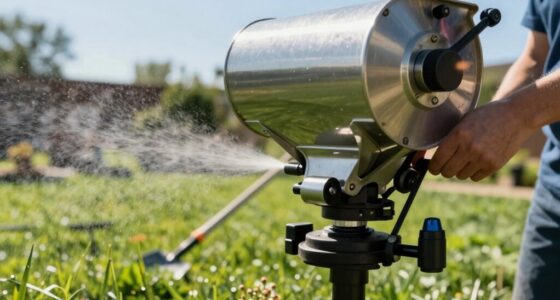
Alongside crop rotation, water conservation has become a cornerstone of sustainable farming policies in 2025. Recognizing that water scarcity is a pressing issue in many regions, governments are offering incentives for farmers to adopt efficient irrigation systems, such as drip or sprinkler irrigation, which minimize water waste. Many policies also promote the use of rainwater harvesting and the installation of soil moisture sensors to optimize watering schedules. These measures not only help farmers reduce their water bills but also protect local water sources from over-extraction. Some policies go further by establishing water rights that prioritize sustainable use, guaranteeing that farming practices do not deplete aquifers or harm ecosystems downstream.
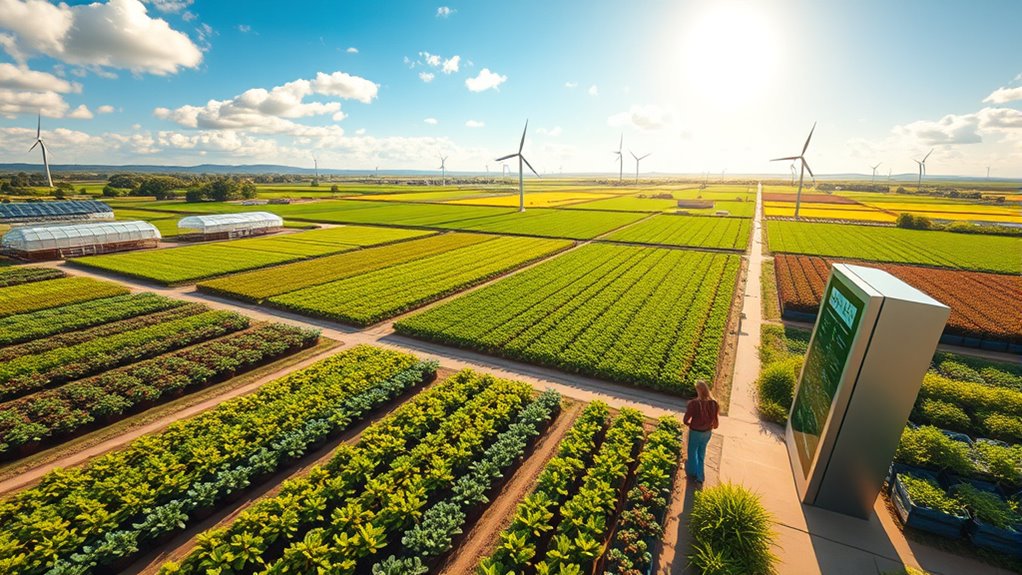
You’ll find that these policies are designed to create a win-win situation: farmers benefit from cost savings and improved soil health, while the environment benefits from reduced pollution and resource depletion. To support this shift, extension programs and educational campaigns are actively encouraging farmers to incorporate crop rotation and water conservation techniques into their daily routines. The government also collaborates with research institutions to develop innovative solutions, such as drought-resistant crop varieties and smart irrigation systems, making sustainable practices more accessible and effective.
As a farmer in 2025, you’ll notice that these incentives are not just about compliance but about creating a sustainable future for agriculture. By embracing crop rotation and water conservation, you’ll be part of a movement that values long-term resource health over short-term gains. These policies empower you to manage your land more responsibly, helping to ensure that farming remains viable amid climate change and resource constraints. Ultimately, by participating in these initiatives, you’re contributing to a resilient agricultural system that supports your livelihood, your community, and the planet.

Rain Bird DRIPKITBAG Drip Irrigation Repair and Expansion Kit
Convenient and portable storage kit contains 102 professional grade universal Drip irrigation parts
As an affiliate, we earn on qualifying purchases.
Frequently Asked Questions
How Will Policies Address Small-Scale Farmers’ Needs?
Policies will prioritize small-scale farmers by supporting farmer cooperatives and clarifying land tenure rights. You’ll gain access to shared resources, better market opportunities, and secure land use, which boosts your sustainability efforts. These policies encourage collective action, reducing costs and increasing bargaining power. By strengthening land rights and cooperative structures, you’ll find it easier to adopt eco-friendly practices and thrive in a more resilient, sustainable farming community.
What International Collaborations Support Sustainable Farming Initiatives?
Imagine a future where you’re part of a global village, connecting through technological alliances and shared knowledge. International collaborations like the UN’s Sustainable Agriculture Program and partnerships with organizations like FAO support sustainable farming initiatives. These global partnerships foster innovation, provide funding, and promote best practices, helping you adopt eco-friendly methods. By working together across borders, you enhance food security and protect the environment for generations to come.
How Are Farmers Trained to Adopt New Sustainable Practices?
You’re trained through farmers’ education programs and technology dissemination efforts that make sustainable practices accessible. Workshops, online courses, and field demonstrations help you understand new techniques, while extension services provide ongoing support. These initiatives aim to equip you with practical skills and knowledge, ensuring you can confidently adopt eco-friendly methods. By staying informed and supported, you’re empowered to implement sustainable farming that benefits both your land and the environment.
What Funding Sources Are Available for Sustainable Farm Technology?
You can access funding for sustainable farm technology through various sources like financial grants from government agencies and private organizations. Technological subsidies are also available, helping you offset costs for eco-friendly equipment and practices. Keep an eye on local, state, and federal programs that support sustainable agriculture, as they often provide financial assistance to adopt innovative technologies and improve your farm’s environmental impact.
How Will Policies Adapt to Climate Change Impacts on Farming?
Imagine your crops as fragile ice sculptures melting under a blazing sun—that’s how policies will adapt. Expect more crop insurance options tailored for climate risks and water management incentives to conserve this precious resource. Governments will push for smarter practices, encouraging farmers to embrace resilience. You’ll see regulations evolve to support sustainable solutions, helping you weather unpredictable weather patterns while safeguarding your farm’s future.

Lanties 25 Pcs Folding Drip Tape Row End System and Garden Landscaping Irrigation Fits for 5/8'' No Dripping Dripless Water Irrigation Kit for Vegetable
Package Includes: you can get 25 pieces of black drip tape row ends for garden drip system and...
As an affiliate, we earn on qualifying purchases.
Conclusion
As you navigate the future of farming, think of policies and incentives as the roots that support your sustainable garden. They may seem small now, but with steady growth, they’ll strengthen your efforts and help your farm flourish. Embrace these initiatives, knowing they’re the foundation for a resilient, thriving landscape. Keep nurturing your practices, and watch as your commitment blossoms into a sustainable harvest for generations to come.

Strongman Premium Drip Irrigation | 1640 ft 5/8" Tape Roll | Smart Regulator | Garden Drip Watering System for Plants, Lawn, Greenhouse | 0.26 GPH | 0.4mm Thickness
✅ PREMIUM VIRGIN PLASTIC – BUILT TO LAST::: Crafted from high-grade virgin plastic, Strongman drip tape offers exceptional...
As an affiliate, we earn on qualifying purchases.

2000FT 5/8" Drip Tape Irrigation Kit, 16 Mil Heavy Duty with 6" Emitter Spacing, Silver Reflective Drip Tape Helps Prevent Pecking & Biting Damage, Heat-Safe for Seedlings, Reinforced PE Material
Premium Performance: Crafted from upgraded reinforced PE material with a thick 16 Mil construction, this drip irrigation tape...
As an affiliate, we earn on qualifying purchases.