TL;DR

Get garden gear delivered free with Prime
- Fast, free delivery on millions of items
- Prime Video, Amazon Music and more included
- Member-only deals all year
An Ideal Home report cites horticulture experts advising reduced watering for cacti, succulents, snake plants, aloe vera and caladiums as growth slows in autumn and winter. The advice is not to stop watering every plant automatically: check soil moisture and plant condition, and give dormant caladiums different care from plants that remain active.
An Ideal Home report says owners of five common houseplants should reduce or pause routine watering in November as shorter days and lower temperatures slow growth. The advice, attributed to horticulture and houseplant specialists, covers cacti, succulents, snake plants, aloe vera and caladiums—but does not recommend withholding water from every plant regardless of its condition.
The central guidance is to respond to each plant’s growth and soil rather than follow a fixed calendar. Richard Barker, horticultural expert and commercial director of LBS Horticulture, told Ideal Home that some plants become semi-dormant as daylight and temperatures fall. He said routine watering can be cut back substantially or paused for plants that become fully dormant, while noting that watering should not simply stop for all houseplants.
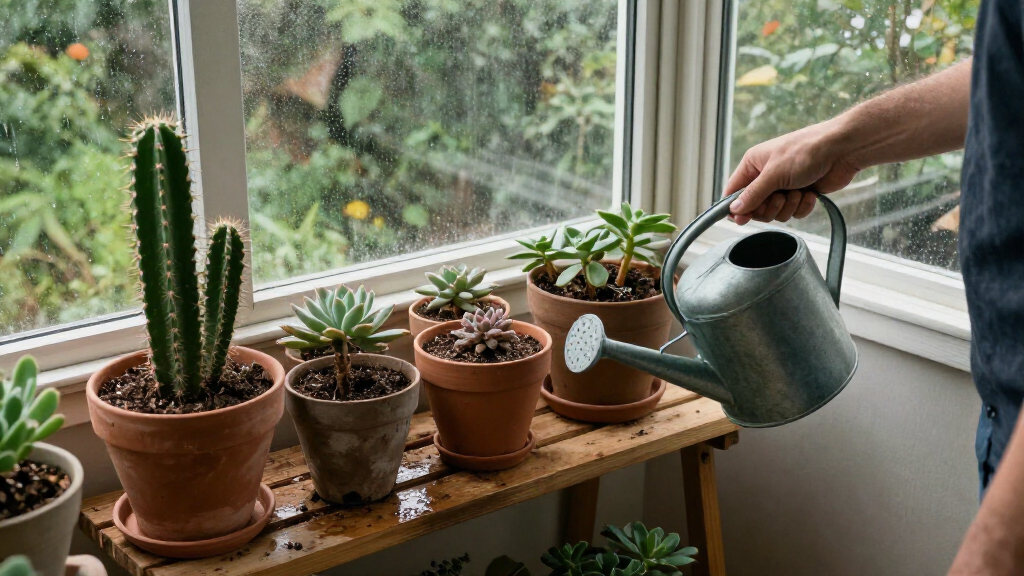
Desert cacti may need no water during a winter rest if kept in an unheated room, Barker said, though plants in warm rooms may need occasional small amounts. Luke Deedman, an indoor plant expert, advised keeping desert cacti nearly dry from November to February in a bright, cool spot. For succulents, Deedman recommends watering echeverias sparingly if leaves wrinkle; Barker’s general advice is to wait until soil is completely dry and the plant shows signs of needing water.
For snake plants, British Garden Centres houseplant buyer Andy Little advised letting compost dry thoroughly and checking it a couple of inches below the surface before watering. GardeningExpress founder Chris Bennett said aloe vera uses its stored moisture more slowly during winter and should be watered only after compost has fully dried. Caladiums are different: their foliage naturally dies back in autumn as they enter dormancy. Harvst gardening and greenhouse expert Lucie Bradley advised stopping watering once leaves have yellowed, wilted and dried, then storing the pot in a cool, dark place.
Avoiding Winter Watering Damage
Reducing unnecessary watering can help prevent problems when plants use less moisture during slower growth. Little warned that cold, soggy compost can lead to root rot in snake plants. Deedman similarly cautioned that wet soil in cool, dim conditions can cause rot in succulents. The risk is practical for indoor growers: a summer watering routine may leave soil wet for longer as light levels and temperatures decline.
However, the advice is not a blanket rule to leave every pot dry throughout winter. Cacti kept in warm rooms may need occasional water, and succulents may need a small amount when their leaves show stress. The useful takeaway is to check soil and plant condition, while treating a dormant caladium differently from a plant that is still growing.
Popular right now

KitchenAid Artisan 5-Qt Tilt-Head Stand Mixer – Dried Rose (KSM150PS)

KitchenAid Artisan 5-Quart Tilt-Head Stand Mixer, Almond Cream

Dyson Cyclone V10 Origin Cordless Vacuum
As an affiliate, we earn on qualifying purchases.
How Winter Changes Plant Care
The report, published by Ideal Home, focuses on seasonal changes in indoor plant care. In its account, shorter daylight hours and lower temperatures prompt some plants to slow their growth or enter dormancy. Plants that store water in their tissues, such as cacti and succulents, can use those reserves during this period, according to the experts quoted.
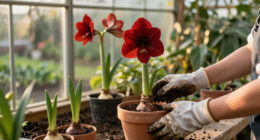
Caladiums have a more visible seasonal cycle: Bradley said their colourful foliage dies back naturally in autumn as the tuber-based plants enter dormancy. She advised keeping dormant pots at 10 to 16 degrees Celsius in a cool, dark location. In spring, usually from March to May, she said they can be returned to brighter conditions at 18 to 25 degrees Celsius. Those temperature ranges are advice from Bradley in the report, not a guarantee that every home will have the same conditions.
““While you should not stop watering entirely, you can drastically cut back or pause routine watering for plants that go fully dormant.””
— Richard Barker, horticultural expert and commercial director of LBS Horticulture, quoted by Ideal Home
Care Depends on Home Conditions
The report does not establish one watering schedule that works for every plant or household. The need for water can differ depending on room temperature, available light, soil moisture and whether a plant is dormant. Barker specifically said a cactus in a warm room may need occasional water, while a cactus given a true winter rest may need none for a period.
The source also does not provide a measured comparison of how much less water each plant needs, or a date when all five should resume normal watering. Advice about signs such as wrinkled leaves is presented as expert guidance, not a substitute for identifying the plant and checking its actual condition. The report’s recommendations should therefore not be read as an instruction to let every plant become severely dry.
Check Plants Before Watering
For the rest of autumn and winter, the experts’ advice is to check soil and foliage before watering rather than stick to a summer routine. For a snake plant, Little suggested placing a finger a couple of inches into the compost; if it still feels damp, wait. For succulents, watch for wrinkling, and for caladiums, wait until the foliage has naturally died back before ending watering and moving the pot to a cool, dark place.
As conditions change in spring, owners can reassess growth and light and resume watering as plants become active. Bradley said caladiums are usually brought back into bright light and warmer conditions from March to May. The report gives no universal restart date for the other plants, so their care should follow their condition and growing environment.
Key Questions
Which five houseplants are the focus of the advice?
The Ideal Home report names cacti, succulents, snake plants, aloe vera and caladiums. It recommends reducing routine watering for the first four, with caladiums watered according to their seasonal dormancy.
Should I stop watering all five plants completely in November?
No. The experts advise cutting back or pausing routine watering, not applying a complete stop to every plant. A cactus in a warm room may need occasional water, and a succulent may need a small amount if its leaves wrinkle.
How can I tell if my snake plant needs water?
Andy Little advises checking whether the compost is dry a couple of inches below the surface. If it still feels damp, leave the plant alone and check again later.
What should I do when a caladium’s leaves die back?
Bradley says to stop watering once the leaves have naturally yellowed, wilted and dried. She advises keeping the pot in a cool, dark place at 10 to 16 degrees Celsius until it is brought back into brighter, warmer conditions in spring.
Source: idealhome.co.uk