TL;DR

Get garden gear delivered free — and shop member deals
- Fast, free delivery on millions of items
- Access to Prime Big Deal Days deals on October 6–7
- Prime Video, Amazon Music and more included
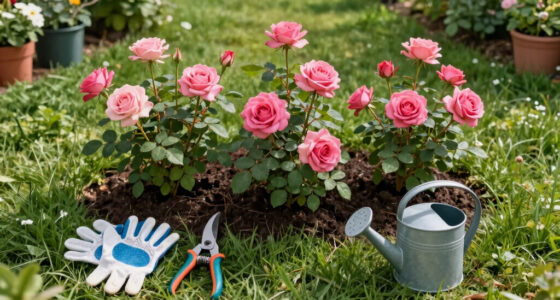
Gardening experts cited by Ideal Home recommend October tidying for buddleia, lavatera, climbing and rambling roses, some hydrangeas, and lavender. The advice is selective: remove damaged growth and manage wind exposure, but avoid hard pruning where it could remove next year’s flower buds.
Ideal Home has published advice from gardening experts recommending a light October tidy for five shrubs, including buddleia, lavatera and climbing roses, to remove damaged growth and reduce wind exposure ahead of winter. The guidance also warns that pruning depends on the plant: a hard cut to some hydrangeas can remove buds that would flower next year.
For buddleia, horticultural expert Richard Barker recommends cutting tall, flexible branches back by about half to limit wind rocking the roots. He says not to cut the shrub below three to four feet in autumn. Dead, diseased or broken branches can be taken back to healthy wood; harder pruning is normally done in spring.
Lavatera can receive a light reduction if it is tall and vulnerable to winter winds. Lucie Bradley, a gardening and greenhouse expert, advises reducing large shrubs by one-third to one-half in height. For climbing and rambling roses, British Garden Centres’ Julian Palphramand describes October work as tidying and reducing wind rock, rather than the main seasonal prune. Shoots can be kept clear of paths, gutters and windows, while the main pruning is left until later in winter.
Hydrangea advice depends on the type. Lance Russell of Thompson & Morgan says many varieties flower on old wood, so a hard autumn prune may remove next year’s buds. He recommends first removing dead, damaged or diseased growth and addressing branches that cross or rub. Lavender can also be lightly trimmed, but Will Williamson of Squire’s Garden Centres cautions against cutting into old woody growth.
How October Cuts Affect Spring Blooms
October pruning can help gardeners remove damaged or diseased stems and reduce the chance that tall growth will be rocked or broken by winter winds. The advice is especially relevant for exposed plants and shrubs with long, flexible branches. It does not mean all shrubs should be cut back now: the right amount depends on the plant’s growth and flowering pattern.
The distinction matters for next year’s display. Since some hydrangeas flower on old wood, removing too much growth in autumn may also remove flower buds. The experts’ recommendations favor targeted tidying over a broad seasonal cut, with a lighter approach where the plant type or bud location is uncertain.
As an affiliate, we earn on qualifying purchases.
Why Autumn Pruning Varies by Shrub
The source frames October as a chance to remove old or damaged growth and check shrubs for signs of disease and pests. It specifically advises leaving spring-flowering shrubs such as lilacs, rhododendrons and forsythia unpruned at this time because their buds for next year are already forming.
The five plants covered have different needs. Buddleia is normally cut back more heavily in spring, while the main pruning for climbing and rambling roses is left until later in winter. Lavatera may need a height reduction to limit wind damage; hydrangeas need to be identified before pruning; and lavender should not be cut into old wood. The article presents these as expert recommendations, not a single rule for every garden or cultivar.
““Even though this should normally be cut back hard in spring, butterfly bush can be cut back by half now to stop wind from rocking the roots of the plant and making it unstable.””
— Richard Barker, horticultural expert and commercial director at LBS Horticulture
Plant Type Determines the Cut
The source does not give a publication date, regional climate guidance or instructions for every cultivar. It also does not identify the hydrangea types that flower on old wood; gardeners must establish what they have before pruning. The recommended timing and amount may need to vary with local conditions, plant health and growth, details the report does not specify.
Check Each Shrub Before Pruning
Before cutting, identify the shrub and inspect it for dead, diseased, damaged or crossing growth. Follow the more limited guidance for plants that may carry next year’s buds, and leave excluded spring-flowering shrubs unpruned in October. For climbing and rambling roses, the report says to leave the main pruning until later in winter; for buddleia, it says harder pruning is normally done in spring.
Key Questions
Which five shrubs does the October advice cover?
The list includes buddleia, lavatera, climbing and rambling roses, hydrangeas and lavender. The recommended work differs by plant and is generally a tidy rather than a hard cut.
Can all hydrangeas be pruned in October?
No single instruction applies to every hydrangea. The experts warn that many varieties flower on old wood, so a hard autumn prune may remove next year’s buds. Identify the type and limit work to dead, damaged or diseased growth if unsure.
How much should lavatera be cut back?
For large, tall lavatera, Lucie Bradley recommends a light reduction of about one-third to one-half of the height to help reduce wind damage. The report does not say this applies to every lavatera plant.
Which shrubs should be left unpruned in October?
The article names lilacs, rhododendrons and forsythia because they already have next year’s buds forming. Pruning them in October could remove those buds.
Source: rss
Halloween Picks
halloween
As an affiliate, we earn on qualifying purchases.