TL;DR

Get garden gear delivered free — and shop member deals
- Fast, free delivery on millions of items
- Access to Prime Big Deal Days deals on October 6–7
- Prime Video, Amazon Music and more included
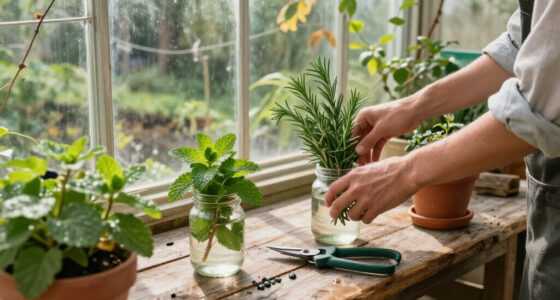
A gardening guide published Oct. 2 explains how to propagate thyme, sage and rosemary from semi-ripe cuttings taken in autumn. The method uses healthy shoots, a free-draining compost mix and steady moisture; the guide also suggests water propagation for sprigs of basil, coriander and parsley.
Amateur Gardening published a guide on Oct. 2 explaining how gardeners can grow more thyme, sage and rosemary from cuttings taken from existing plants. The seasonal method uses semi-ripe shoots—this year’s growth attached to a small piece of older stem—and can provide new plants without purchasing additional ones, though successful rooting is not guaranteed.
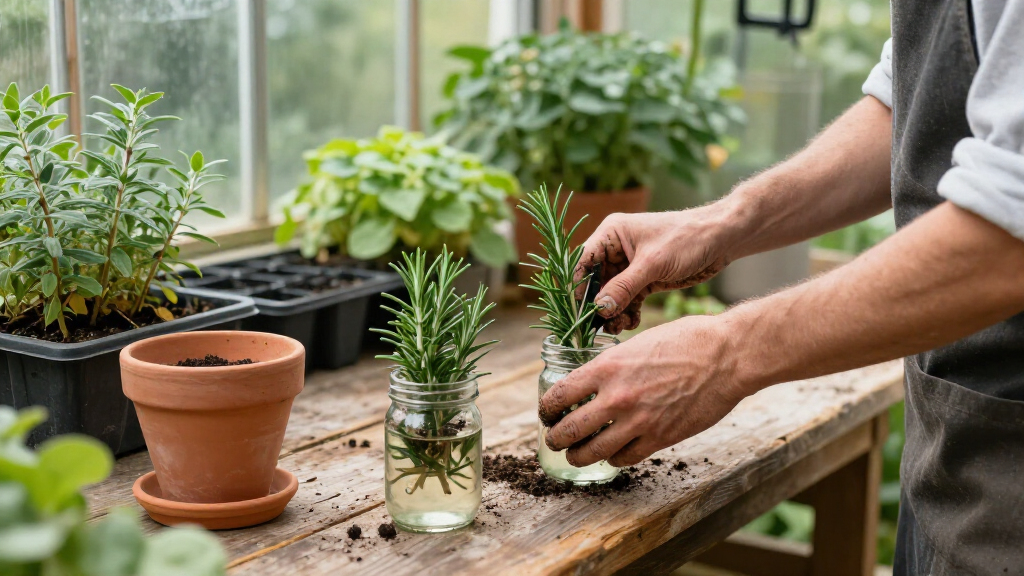
Writer Chris Collins says semi-ripe cuttings can be taken from suitable herbs until mid-autumn. He recommends choosing healthy shoots and avoiding material that is damaged, unhealthy, unusually vigorous or atypical for the plant. Shoots with a more horizontal growth habit and short gaps between leaves are his preference. The cuttings should be about 10 to 15 centimetres (4 to 6 inches) long, with the cut made just below a leaf node, following advice on taking softwood cuttings.
After cutting, remove about one-third to one-half of the foliage, then place each cutting in a container of free-draining growing medium, as with these fall cuttings. Collins describes a mix of equal parts peat-free potting compost and silver sand. Water it well, allow excess water to drain, and keep the medium moist without leaving it waterlogged. A greenhouse or propagator can provide warmth; a clear plastic bag over the pot is another way to hold humidity. Sticks can keep the bag from touching the cuttings.
The guide also addresses alternatives and common problems. Collins says overwatering or poor drainage can cause cuttings to rot, a consideration when growing more plants for free. For gardeners without compost, he says leftover sprigs of basil, coriander and parsley may be placed in water until roots form, usually within a week or two according to the article, and then potted up. Regularly changed water can also be used to keep those sprigs growing without compost for a period, the guide says.
More Plants From Existing Herbs
Taking cuttings offers gardeners a way to expand an herb collection using plants they already have, rather than buying a separate plant for every pot or bed. If the cuttings root, they can provide additional herbs for containers, garden borders or cooking. The method may be especially useful for people who want to repeat a variety they already grow, although the article does not quantify costs saved or report a success rate.
The advice also draws attention to timing: the source says semi-ripe material remains available until mid-autumn, making the period described a limited seasonal opportunity. Its practical cautions matter because maintaining moisture without waterlogging, along with providing warmth and humidity, affects the conditions in which cuttings are kept. The guide presents these as gardening instructions, not a guarantee that each cutting will root.
As an affiliate, we earn on qualifying purchases.
The Seasonal Cutting Method
Semi-ripe cuttings are taken from current-season growth that retains a portion of the previous season’s growth at its base. The older portion is called a heel. Collins identifies thyme, sage and rosemary as suitable examples and says the heel can be enlarged when preparing a cutting. The guide says it contains cambium, cells involved in producing roots.
The report is a practical gardening article by Amateur Gardening, rather than a study comparing propagation methods. It gives no trial data on rooting rates, the time needed for these woody herb cuttings to establish, or how results vary by climate and growing conditions. Its water-propagation suggestion concerns leftover sprigs of basil, coriander and parsley, not the semi-ripe method described for thyme, sage and rosemary.
“These kinds of cuttings are called ‘semi-ripe’ as they are taken from this year’s growth with a portion of the previous season’s growth at the base.”
— Chris Collins, Amateur Gardening
Rooting Results Vary
The article does not say how many cuttings typically root, how long thyme, sage or rosemary take to establish, or what proportion of gardeners should expect to succeed. It also does not give region-specific timing beyond saying semi-ripe material can be found until mid-autumn; local weather and plant condition may affect whether suitable shoots are available.
Collins’s instructions describe preferred materials and growing conditions, but they do not establish that every herb variety will respond in the same way. The water method is presented for basil, coriander and parsley sprigs, and the source does not provide comparative results against planting those herbs in compost.
Prepare Cuttings Before Mid-Autumn
Gardeners following the article’s seasonal advice can inspect thyme, sage and rosemary plants for healthy shoots before mid-autumn, then prepare and pot cuttings using the described free-draining mix. They can place pots in a warm, light location with humidity from a greenhouse, propagator or bag, while avoiding direct sunlight for bag-covered pots and opening the bag periodically to release excess moisture.
The next sign of progress is root formation, but the article gives no fixed timetable for the woody cuttings. For basil, coriander and parsley in water, Collins says roots may appear after a week or two; he recommends changing the water regularly and potting up once roots form if the grower wants to move the sprigs into compost.
Key Questions
Which herbs does the guide recommend for semi-ripe cuttings?
Chris Collins recommends using healthy shoots from thyme, sage and rosemary. He says suitable semi-ripe material can be found until mid-autumn.
How long should each cutting be?
The guide recommends cuttings about 10 to 15 centimetres (4 to 6 inches) long, cut just below a leaf node. It also advises removing roughly one-third to one-half of the foliage.
Can I take cuttings without a propagator?
Yes. Collins suggests covering the pot with a clear plastic bag secured with an elastic band. Keep the bag from touching the cutting, place it somewhere warm and light but out of direct sunlight, and open it now and then to remove excess moisture.
Why might herb cuttings rot instead of root?
Collins says poor drainage and overwatering can cause rot. Keep the growing medium moist but not waterlogged, and let excess water drain from the container.
Which herbs can be rooted in water?
The guide suggests placing leftover sprigs of basil, coriander and parsley in water. Collins says roots may form in a week or two and advises changing the water regularly.
Source: rss
Fall yard work Picks
leaf blowers
As an affiliate, we earn on qualifying purchases.