TL;DR

Get garden gear delivered free with Prime
- Fast, free delivery on millions of items
- Prime Video, Amazon Music and more included
- Member-only deals all year
Gardening Know How recommends using October to reduce shelter, food and access points that may attract snakes to frequently used parts of a garden. The advice is seasonal guidance from the publication, not a guarantee that snakes will leave; most U.S. native snake species are nonvenomous, and the source cautions gardeners to use tools rather than hands when clearing cover.
Gardening Know How has outlined eight October yard-maintenance steps intended to discourage snakes from settling in frequently used garden areas as temperatures fall and reptiles seek sheltered places to spend winter. The recommendations focus on reducing cover and food and sealing access gaps, but they do not guarantee snakes will leave, and the article notes that most native U.S. snake species are nonvenomous.
The report says snakes may begin looking for frost-free shelter when fall temperatures drop to around 60°F. It describes their winter dormancy as brumation, which is similar to hibernation but less deep. October is presented as a useful time to make selected parts of a yard less inviting, not as a scientifically established “best” date for every location or species.
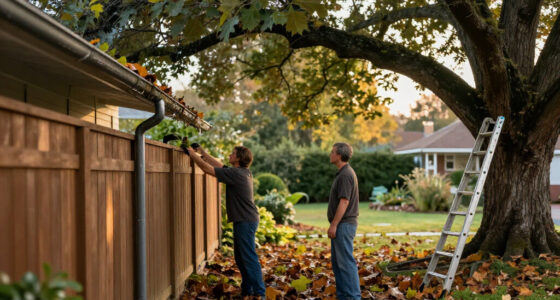
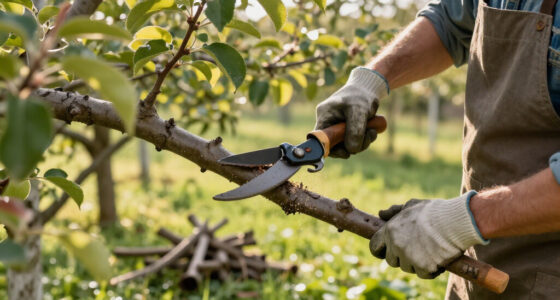
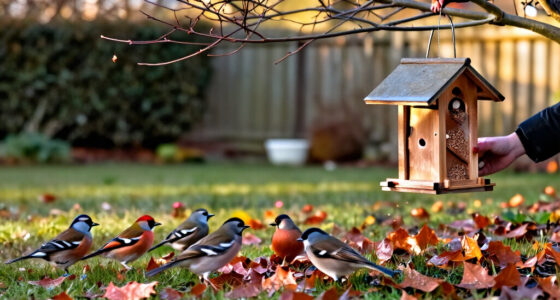
The eight recommended steps are to identify and clear clutter from areas people use; keep grass at 3 inches or less; prune lower shrub branches to expose the ground; use fine compost rather than bulky bark or straw mulch; reduce spilled birdseed that can attract rodents and insects; and close gaps in sheds, outbuildings and homes. The report also advises using tools—not hands—to clear possible hiding places. It warns that ordinary gardening gloves may not stop a snake’s fangs and says protective animal-handling gloves offer more protection.
These are yard-management recommendations from the publication, rather than evidence that any single action will keep snakes away. The source does not cite trials comparing the methods or provide regional guidance. Its point is to reduce attractive habitat near patios, paths and other areas people regularly use, while leaving gardeners free to retain wildlife shelter in parts of a large yard they do not frequent.
Reducing Cover Near Garden Paths
For people concerned about an unexpected encounter, the advice offers practical ways to make high-use parts of a garden less sheltered. Short grass, less debris and exposed ground under shrubs can make some areas less suitable as hiding places. Sealing gaps may also limit access to buildings, though the source does not say that these steps make a property snake-proof.
The recommendations also reflect a balance between safety and wildlife. The report notes that most native U.S. snake species are nonvenomous and that snakes such as garter and corn snakes can eat rodents, slugs and insects. It suggests concentrating changes around areas people use rather than removing all shelter throughout a yard. It does not provide a breakdown by state or identify which species may be present locally, so readers should not assume every snake is harmless.
Care matters during cleanup. A hidden animal may be difficult to spot among leaves, wood or compost, and the report specifically advises against reaching into cover by hand. Using tools and keeping a safe distance can reduce the chance of direct contact; the article does not offer a substitute for local wildlife or emergency guidance if a snake is encountered.
Popular right now

LG 85-inch QNED75B Mini LED Smart TV Bundle with HDMI and CPS Protection Plan

KitchenAid Artisan 5-Quart Tilt-Head Stand Mixer, KSM150PS, Almond Cream

Dyson V8 Cyclone Cordless Vacuum
As an affiliate, we earn on qualifying purchases.
Why October Is Recommended
The source ties its timing to seasonal behavior: as temperatures cool, snakes may seek protected sites for brumation, and October is described as a period when they are active in finding food and shelter. It says snakes need to store body fat before winter. The exact timing will vary with local climate and species; the article supplies no location-specific schedule or study to support a universal October window.
The report also says snakes may return to the same brumation area to breed, and that a female may produce 10 to 30 young. That figure is presented as general advice, not as a prediction for a particular garden or species. The article’s central recommendation is to remove appealing shelter and food sources near the home before winter, while recognizing that snakes can be beneficial members of a garden ecosystem.
““October is the very best time of the year to make your yard inhospitable to snakes.””
— Gardening Know How
Limits of the Seasonal Advice
The source does not state when the report was published, identify a particular region, or cite research testing the eight measures. It is therefore unclear how effective each step is, whether October is the right time in warmer or colder climates, or how recommendations may differ among snake species. The proposed actions should be read as general prevention guidance, not a guarantee of removal or a substitute for local wildlife advice.
The report does not explain what readers should do if they find a snake in a building, how to identify a venomous species, or what local authorities recommend. It also does not establish that mulch type or bird-feeder changes alone will cause snakes to leave. Species identification and risk can vary by location, and the article makes no site-specific assessment.
Check Local Conditions Before Cleanup
Readers considering the checklist can begin with areas they use regularly, clear clutter cautiously with tools, and inspect sheds and other structures for access gaps. Because the report gives broad seasonal guidance rather than local instructions, gardeners should consult wildlife agencies or qualified local professionals for advice on snakes found on their property. The source does not announce a follow-up study or any formal monitoring of the recommendations.
Key Questions
Why does the report recommend October?
Gardening Know How says snakes may seek sheltered places for winter brumation as temperatures fall, and describes October as a time to reduce cover and food. It does not establish that October is the best timing in every climate.
What are the eight recommended steps?
The report advises clearing clutter in frequently used areas, mowing grass to 3 inches or less, pruning low shrub branches, using fine compost mulch, reducing spilled birdseed, and sealing gaps in buildings. Its other guidance is to inspect likely hiding spots and use tools rather than hands when clearing them.
Does the advice guarantee snakes will leave?
No. The source presents the steps as ways to make garden areas less attractive, but provides no guarantee or comparative research showing how effective each measure is.
Are most U.S. snakes venomous?
No. Gardening Know How says about one-quarter of native U.S. snake species are venomous. That is a broad estimate in the source; it does not identify the species in a particular area, so local guidance is useful.
How should gardeners clear possible snake hiding places?
The report says to use tools rather than hands when moving leaves or other cover. It warns that ordinary gardening gloves may not prevent a bite. For a snake found in or near a building, consult local wildlife guidance rather than attempting to handle it.
Source: rss