TL;DR

Get garden gear delivered free with Prime
- Fast, free delivery on millions of items
- Prime Video, Amazon Music and more included
- Member-only deals all year
Amateur Gardening has highlighted composting and wildlife piles as alternatives to garden bonfires for handling leaves and woody prunings. The report says these options can return nutrients to soil and provide shelter for wildlife, while noting that diseased material should be handled separately. It does not set out new rules or quantify the environmental effects.
Amateur Gardening has outlined ways to manage fallen leaves and woody prunings without setting a garden bonfire, recommending composting where practical and wildlife piles for suitable material. The advice matters to gardeners dealing with seasonal cuttings because it presents options that can return organic matter to the soil and provide shelter for insects and other animals rather than burning it.
The report says manageable amounts of leaves and cuttings can often go into a compost bin, with woody stems cut into short lengths and mixed with other material, a process that can be supported with a garden compost tumbler. It says the stems can add nutrients and help keep the compost aerated. Thorny material is excluded from that advice because it could create hazards later, while the report suggests burying it or using a green-waste collection service.
Diseased plant material should also be kept separate, according to the article. It notes that green-waste collections may use an industrial processing method that makes the resulting compost safe, but does not specify which local services use that process. Gardeners should check the arrangements available where they live rather than assume all collected material is treated identically.
For larger quantities of suitable wood and stems, the report proposes an unburned wildlife pile in a convenient garden spot, much like creating wildlife-friendly areas in the garden. It says decaying material can shelter insects, amphibians and hibernating mammals, including hedgehogs. Smaller quantities can be tucked under evergreen shrubs, at the base of a dense hedge or in a less-used corner, near fragrant plants suited to the garden. Another suggested method is tying pruned stems into a compact roll with wire or strong twine and placing it under dense planting.
A Practical Alternative to Burning
The advice offers gardeners an option when a compost bin or green-waste collection cannot take all the material. Rather than treating every surplus cutting as waste, a wildlife pile allows suitable wood to decompose in place, returning nutrients over time and creating cover for wildlife. The approach may be useful where there is space to keep a pile undisturbed.
The report also explains why a bonfire is not a neutral disposal method: it says burning produces carbon dioxide and smoke, can kill small animals, and destroys organic material that might otherwise break down. These are points made in the gardening article, not a quantified comparison of emissions or a formal assessment of health effects. Its central practical message is to reserve burning rather than make it the default response to bulky garden cuttings.
Wildlife piles are not presented as suitable for every garden or every kind of waste. Diseased material is explicitly excluded, and thorny cuttings may be better buried or taken through an appropriate collection service. The advice therefore depends on the type of material, available space and local disposal options.
Popular right now

Dyson Ball Animal 2 Plus Corded Vacuum

KitchenAid Artisan Series 5-Quart Tilt-Head Stand Mixer, Dried Rose (KSM150PS)

Dyson Car+Boat Cordless Handheld Vacuum
As an affiliate, we earn on qualifying purchases.
Seasonal Cuttings and Disposal
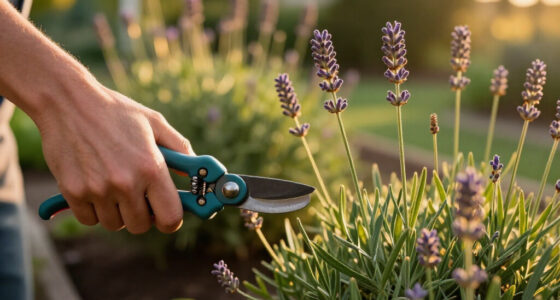
The report places its suggestions in the seasonal round of garden tidying: collecting fallen leaves, cutting back herbaceous plants and pruning hedges, shrubs, trees and fruit bushes. In smaller gardens and allotments, the resulting quantities may fit into a compost bin. The difficulty comes when one material dominates a compost mix or when the volume exceeds the space available in a bin.
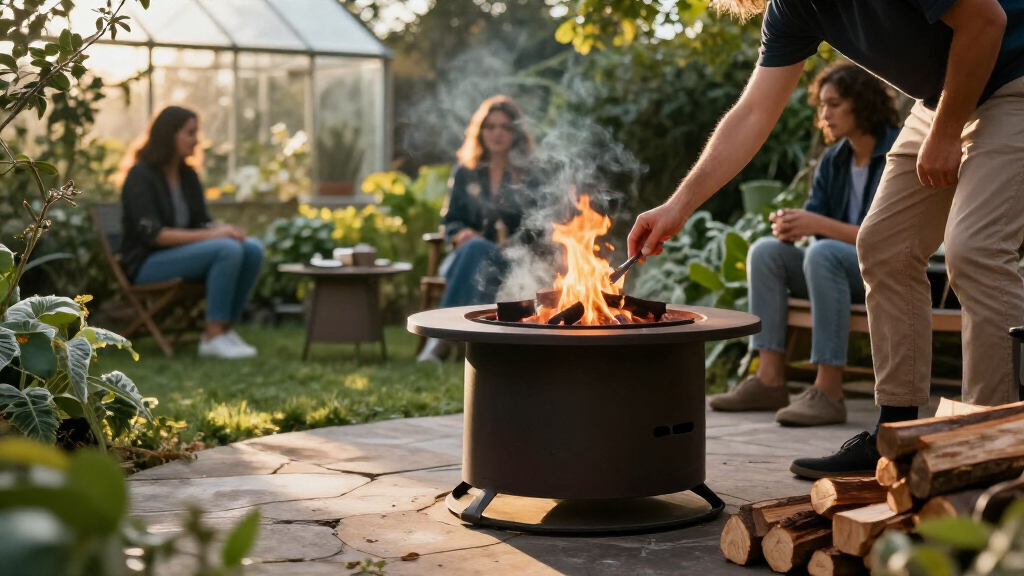
That mismatch is the point at which, the article says, gardeners may turn to bonfires for convenience. It distinguishes between a deliberately managed fire for an occasion and a smoky pile used simply to dispose of waste, describing the latter as a nuisance and a health hazard. The source does not provide local legal guidance, so its practical suggestions should not be taken as a statement of rules for every area.
The proposed wildlife piles can take a few years to break down, the article says, and may last longer if kept dry inside. It suggests placing a piece of plastic sheet within the pile and covering it with the top layer. This is presented as a way to extend the pile’s life, not as a requirement for creating a habitat.
““There is an alternative for all but the diseased stuff: the wildlife pile.””
— Amateur Gardening report
Local Rules and Garden Conditions
The report does not say when it was published, identify a particular location or provide local rules on garden burning or green-waste disposal. Those requirements and collection arrangements can vary, so readers should check guidance from their local authority before deciding how to handle material.
It also gives no measured comparison of the emissions, smoke exposure or wildlife effects of bonfires and wildlife piles. The environmental and health points are presented as general reasons to avoid routine burning, not as quantified findings. The suitability of a pile will depend on the garden’s space, the material available and whether it can be left undisturbed.
Choosing a Disposal Method
Gardeners can sort cuttings by type and quantity: mix manageable leaves and short woody stems into compost, set aside thorny or diseased material for appropriate disposal, and consider a wildlife pile for excess suitable wood. Before burning or placing material in a green-waste bin, check local guidance and collection instructions. The source describes practical options but announces no policy change or scheduled follow-up.
Key Questions
What does the report suggest instead of a garden bonfire?
It recommends composting manageable amounts of leaves and cuttings, and leaving suitable excess wood in a wildlife pile where space allows.
What is a wildlife pile?
It is a pile of unburned stems and woody garden material left to decay. The report says it can shelter insects, amphibians and hibernating mammals while returning nutrients to the soil.
Can diseased or thorny cuttings go in the pile?
The article excludes diseased material from its wildlife-pile recommendation. It says thorny cuttings can be buried or placed in a green-waste bin, subject to local collection instructions.
Does the report say garden bonfires are illegal?
No. It does not provide legal guidance or discuss specific local rules. Gardeners should check their local authority’s advice on burning and garden-waste disposal.
Source: amateurgardening.com