TL;DR

Get garden gear delivered free with Prime
- Fast, free delivery on millions of items
- Prime Video, Amazon Music and more included
- Member-only deals all year
Grow Organic’s guide outlines how to plant and care for goji berry shrubs, including their preference for sun and well-drained soil. It recommends harvesting berries only when they are fully colored and soft, and notes that fruiting timelines vary by cultivar and growing conditions.
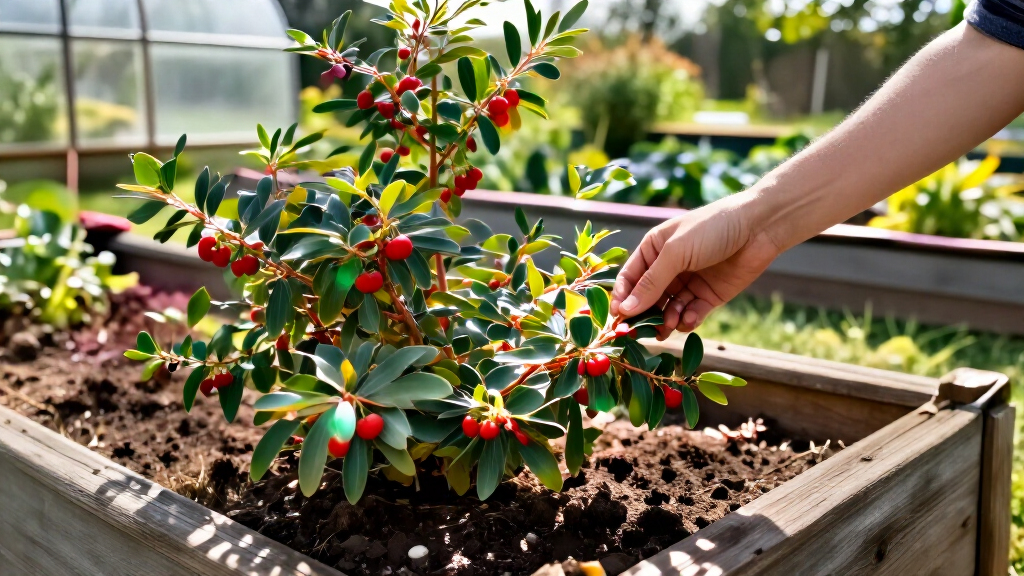
Grow Organic has published a guide to planting, caring for and harvesting goji berries, a perennial shrub grown for its red fruit. The advice focuses on sunny sites, freely draining soil and careful watering, with harvest timing based on berry ripeness rather than a set calendar date.
The guide identifies goji as Lycium barbarum, also known as wolfberry, and describes it as a woody shrub with arching branches that loses its leaves in winter. It says the plant is commonly grown in USDA hardiness zones 3–10, while stressing that performance depends on the site and winter conditions. Full sun is recommended for flowering and fruiting; partial shade may help in areas with especially hot afternoons.
For planting, Grow Organic advises choosing a spot with well-drained soil and allowing room for a spreading plant. It recommends planting in spring when the soil is workable, digging a hole about twice as wide as the root system, and setting the shrub at the same soil depth as it grew in its pot. The guide suggests spacing plants roughly 4–6 feet apart and watering a new transplant thoroughly. It gives a preferred soil pH range of 6.8–8.1 and says amendments to raise pH should be based on a soil test.
During establishment, water consistently, then monitor soil moisture as conditions change. Established plants can tolerate some drought, but the guide says extended dry periods may limit fruit production. It cautions against waterlogged roots and excess nitrogen, which can favor leafy growth over fruit. Pruning advice includes removing dead, damaged or crossing branches during dormancy and cutting back overlong stems to an outward-facing branch. The guide also recommends removing unwanted root shoots and wearing gloves when handling thorny stems.
Key Steps for a Manageable Harvest
For home gardeners, the central practical issue is balancing the shrub’s growth with the space available. Goji can spread through shoots from its roots, and its arching stems may become difficult to manage if left unchecked. The source recommends leaving room for harvesting and removing unwanted shoots early, helping keep paths clear and the plant within its intended area.
Harvest guidance also affects fruit quality and safety. Rather than relying on a date, the guide says to wait until berries are fully red or orange-red and soft, then pick them gently because ripe fruit bruises easily. It advises against eating unripe berries. Ripe fruit can be eaten fresh, frozen or dried using suitable drying instructions.
These recommendations are relevant to both in-ground and container growers. Pots need drainage holes and may require progressively larger containers as roots fill the space. The source notes that roots in containers are more exposed to winter cold than roots in the ground, so gardeners should seek local advice about winter protection.
As an affiliate, we earn on qualifying purchases.
Growing Conditions and Plant Behavior
The guide presents goji as a plant suited to a range of temperate garden settings, but it does not treat a hardiness-zone range as a guarantee of success. Local winter lows, drainage, sunlight and other site conditions can affect performance. Its soil recommendations also distinguish between testing and guesswork: gardeners are advised to check pH before adding an amendment, and not to add lime to soil that is already alkaline.
Grow Organic says goji plants are commonly self-fertile, while some gardens may see improved yields with a second plant nearby. That wording is qualified rather than a promise of a particular harvest. The guide also says named cultivars may start producing within one to two years, with peak production taking three to five years; both timelines vary by cultivar and growing conditions.
Container growing follows the same basic drainage principle as garden planting. A five-gallon pot can serve as a starting container for a young shrub, according to the guide, but mature roots need more room. The source recommends container potting mix, clear drainage outlets and moving the plant to a larger pot when roots fill the existing one.
Local Results and Risks Vary
The guide does not provide a single harvest date, guaranteed yield or one timeline that applies to every garden. It says fruiting depends on climate and cultivar, and that a plant’s performance varies with local conditions. The supplied material also does not identify a publication date, specific trials or measured results behind its recommendations.
Pest and disease outcomes are similarly site-dependent. The source lists aphids, mites and powdery mildew as possible problems, but does not say how frequently they occur. It recommends checking leaves, improving airflow and confirming a diagnosis before using a treatment. Any pesticide or mildew product should be used only if its label permits use on the crop and for the intended problem, with the label’s protective equipment and harvest-interval instructions followed.
The guide warns that goji can escape garden boundaries in some regions and advises checking local guidance before planting. It does not identify which locations face that risk. Gardeners should consult local extension or other regional authorities for advice about spread and container winter protection.
Plan Care Around Local Conditions
Gardeners following the guide can start by checking their planting site’s sunlight, drainage and soil pH, then choose an in-ground position or a container with clear drainage. During the growing season, monitor moisture rather than following a fixed watering schedule, inspect foliage for pests or mildew, and manage shoots and branches before they obstruct nearby paths.
Keep a record of flowering and harvest dates, as Grow Organic recommends. Those observations can help a gardener adjust care in later seasons, though they will not remove the effects of weather or cultivar. Before planting, treating pests or overwintering a pot, consult local guidance for conditions and rules specific to the area.
Key Questions
When should goji berries be harvested?
According to Grow Organic, pick berries when they are fully colored and soft, often bright red or orange-red. Handle them gently because ripe fruit bruises easily; do not eat unripe berries.
How much sun and water do goji plants need?
The guide recommends full sun for best flowering and fruiting, with partial shade potentially helpful during extremely hot afternoons. Water new plants consistently, then check soil moisture as conditions change. Avoid keeping the roots waterlogged.
How long does a goji plant take to produce fruit?
The source says named cultivars may begin producing in one to two years, while maximum production may take three to five years. Timing varies by cultivar and growing conditions.
Can goji berries grow in containers?
Yes. Use a sturdy pot with drainage holes and container potting mix. A five-gallon pot can start a young shrub, but move it to a larger container as roots fill the space. Ask local extension services about winter protection for container plants.
Do goji plants need another plant for pollination?
Grow Organic describes goji as commonly self-fertile, while noting that some gardens may get improved yield with a second plant nearby. The guide does not promise a particular increase in production.
Source: rss
Fall yard work Picks
leaf blowers
As an affiliate, we earn on qualifying purchases.