
TL;DR

Get garden gear delivered free with Prime
- Fast, free delivery on millions of items
- Prime Video, Amazon Music and more included
- Member-only deals all year
Homes & Gardens recommends three October steps to reduce slug and snail damage to hostas: remove decaying leaves and hiding places, check for and remove overwintering pests and eggs, and protect plants with barriers such as copper tape or crushed eggshells. These are preventative measures, not a guarantee of damage-free plants; their effectiveness can vary, and the report gives no measured results.
Homes & Gardens has published October advice for reducing slug and snail damage to hostas, recommending gardeners clear decaying foliage and damp hiding places, remove visible pests or eggs, and add protective barriers around plants. The steps aim to reduce the number of molluscs that survive near hostas into spring, when fresh leaves are vulnerable to feeding.
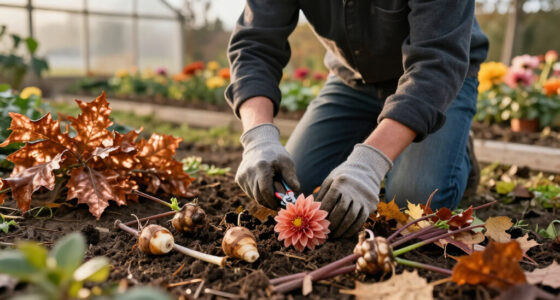
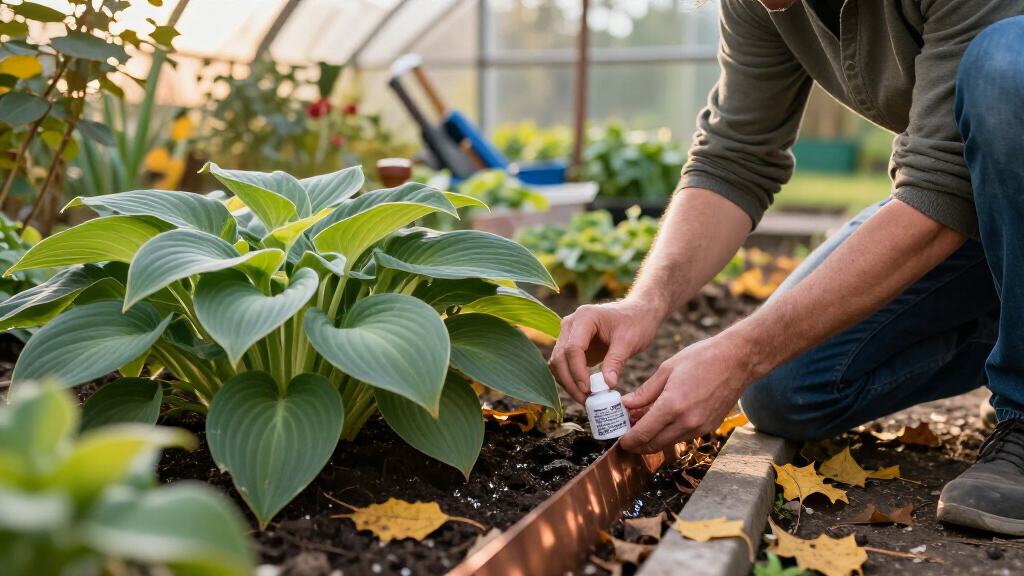
The first recommendation is to clear away yellowing, brown or wilted hosta leaves and other garden debris around the plants. The report says slugs and snails use sheltered, damp spots beneath leaf litter to hide and lay eggs. It advises cutting back dead foliage at soil level with sharp secateurs, or removing soft, mushy leaves by hand while wearing gloves. Plant waste can be composted, according to the report.
Next, gardeners are advised to look for overwintering snails and egg clusters in soil and beneath nearby objects such as pots, tiles, bricks, logs and boards. The article suggests carefully scraping away roughly the top inch of soil around a hosta, then checking the exposed area. It also recommends looking for clear, bead-like clusters and removing any found. The report says it is unlikely that gardeners will remove every pest.
The third step is to protect hostas against pests that remain. Homes & Gardens describes copper tape around the rims of pots and a ring of coarse, crushed eggshells as possible barriers. The article says nematodes and garlic wash are generally better suited to spring, when soil warms and slug and snail activity increases. It does not provide comparative trials or measurements showing how much any method reduces damage.
Reducing Spring Hosta Damage
Hostas are valued for their foliage and commonly grown in shaded borders and containers, but slug and snail feeding can leave leaves ragged. Autumn clean-up targets places where pests shelter before winter and may reduce the number remaining near plants when new growth appears. For gardeners, the advice offers several practical actions that do not rely on chemical pesticides.
The recommendations are preventative rather than a promise that hostas will be free of damage. Their likely benefit depends on local conditions, pest numbers and how thoroughly hiding places are checked. The source does not report a controlled test or quantify the effect of these October steps, so gardeners should treat them as measures that may help, not as a guaranteed solution.
As an affiliate, we earn on qualifying purchases.
Why October Is the Focus
The Homes & Gardens report identifies autumn as a period of slug and snail activity, with cooler weather and rainfall providing damp conditions. It says spring and autumn are peak periods for egg laying, and that eggs may be found in sheltered garden debris. The timing behind the advice is to tidy hosta beds before hard frosts and before pests settle into protected spots for winter.
Garden designer Andrew Marshall of Go Wild Landscapes, based in Oxford, told the publication he trims hosta leaves that are browning or yellowing in October. He said older growth can provide shelter for slugs and snails. The report also notes that one slug may lay hundreds of eggs in a year, though it does not give a source or conditions for that figure.
“October is a great time to tidy up around your hostas, before we get the first proper, hard frosts of the year.”
— Andrew Marshall, garden designer at Go Wild Landscapes, quoted by Homes & Gardens
How Much Protection Is Proven
The report does not quantify the results of clearing leaves, removing eggs, or using copper tape and eggshells. It also does not cite a trial comparing those approaches or specify how much soil should be cleared beyond its suggestion to scrape away about an inch around each plant. The article acknowledges that removing every slug and snail is unlikely.
Results may differ between gardens because pest activity, weather, soil and plant placement vary. The advice does not establish that a particular barrier will prevent feeding, and it gives no guarantee that a tidy bed will be free of eggs or sheltering pests. Gardeners should follow product labels for any pest-control products they choose to use.
Check Hostas Again in Spring
After the October clean-up, gardeners can check hostas and nearby hiding places periodically, especially after wet weather, and remove visible pests or egg clusters. In spring, as the soil warms and slugs and snails become active, the report says nematodes and garlic wash are better timed for use then. Any treatment should be used according to its label, including stated protective equipment and precautions around children, pets and other wildlife.
The practical test will come with the next flush of hosta leaves: whether fewer show feeding damage. Homes & Gardens does not give a follow-up date or promise a particular outcome, so the scale of any benefit remains unreported.
Key Questions
What are the three October steps for hostas?
Remove decaying leaves and debris, inspect soil and nearby objects for slugs, snails and eggs, and use a barrier such as copper tape around pots or a ring of coarse crushed eggshells.
Why remove yellowing hosta leaves?
The Homes & Gardens report says dead or decaying foliage and leaf litter can offer damp shelter for slugs and snails. Removing it may make the area less suitable for hiding and egg laying.
Should hosta leaves be cut back in October?
The report recommends cutting back leaves that have turned brown or yellow and wilted, using sharp secateurs at soil level. It says soft, mushy leaves can be pulled off by hand while wearing gloves.
Do eggshells or copper tape guarantee slug-free hostas?
No guarantee is given. The article presents them as possible barriers but provides no measured results or comparative trials, and says it is unlikely gardeners will remove every slug or snail.
When does the report recommend nematodes or garlic wash?
It says these measures are generally better applied in spring, when the soil warms and slug and snail populations become active. Follow product directions and precautions if using a treatment.
Source: rss
Fall yard work Picks
leaf blowers
As an affiliate, we earn on qualifying purchases.